Quick Answer: Photoelectric vs Ionization Smoke Detectors: Which Type Should You Have?
Yes, understanding the difference between photoelectric and ionization smoke detectors is crucial for effective home safety. For general, fast-flaming fires, ionization alarms are often recommended, while photoelectric alarms are better for smoldering fires. Many experts recommend using dual-sensor alarms that combine both technologies for comprehensive protection throughout your home. When selecting smoke detectors, consider the types of fires most likely to occur in specific areas of your home, the placement of the alarms, and the need for interconnected systems.
Smoke detectors are a vital part of home safety, but not all are created equal. The two primary types of smoke-sensing technology are photoelectric and ionization. Each works differently and excels at detecting distinct types of fires. Making an informed choice between them, or opting for a combination unit, can significantly impact your family’s safety in the event of a fire.
According to the National Fire Protection Association (NFPA), U.S. fire departments responded to an estimated 1,318,500 fires in 2022. These fires caused approximately 3,870 civilian deaths and 12,550 civilian injuries. Smoke alarms are credited with saving thousands of lives each year, but their effectiveness hinges on having the right type installed in the right places. Understanding the science behind photoelectric and ionization detectors is the first step toward ensuring your home is adequately protected.
How Ionization Smoke Detectors Work
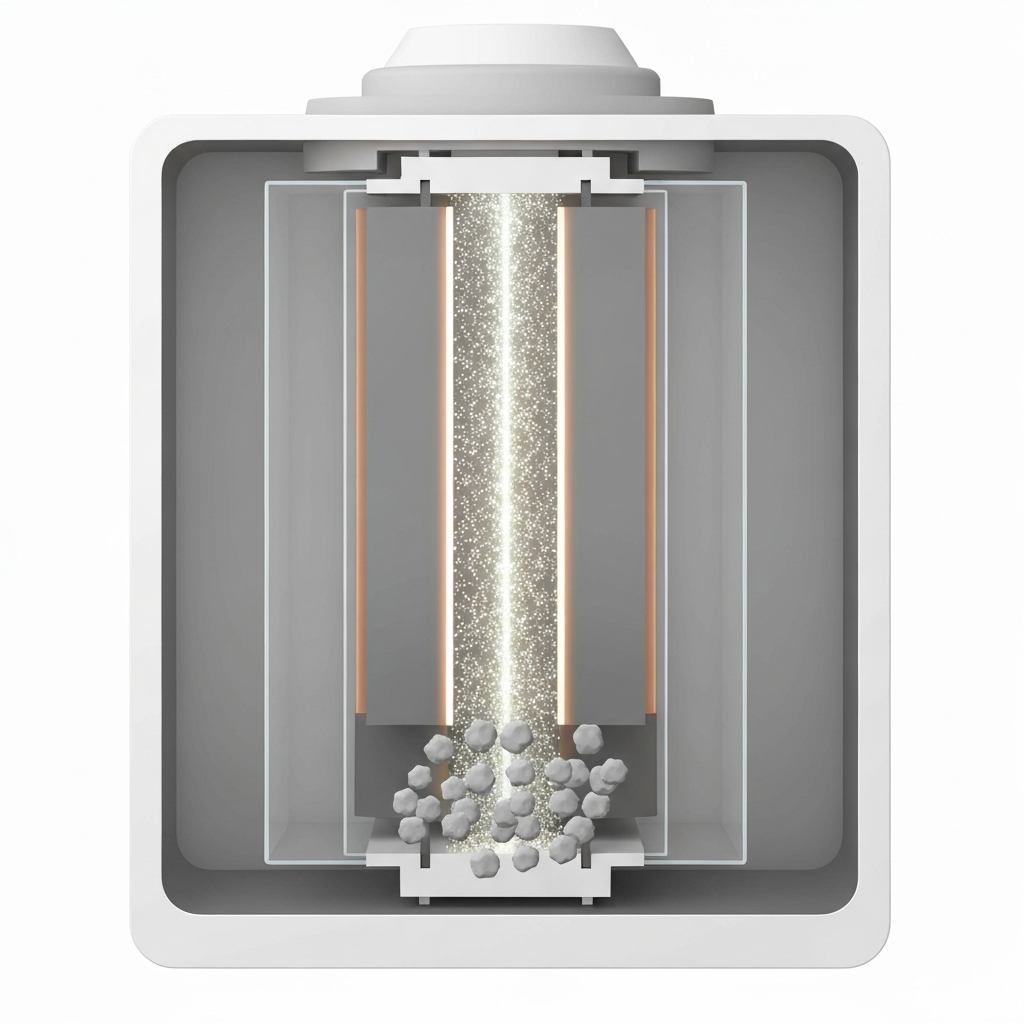
Ionization smoke detectors are the most common type found in homes, largely due to their affordability and effectiveness against flaming fires. These detectors contain a small amount of radioactive material, typically Americium-241, situated between two electrically charged plates. This radioactive material ionizes the air molecules within a small chamber, creating a constant, weak electrical current between the plates.
When smoke particles enter the chamber, they disrupt this flow of ions. The smoke particles attach themselves to the charged ions, effectively neutralizing them and reducing the electrical current. This reduction in current triggers the alarm.
Strengths of Ionization Detectors
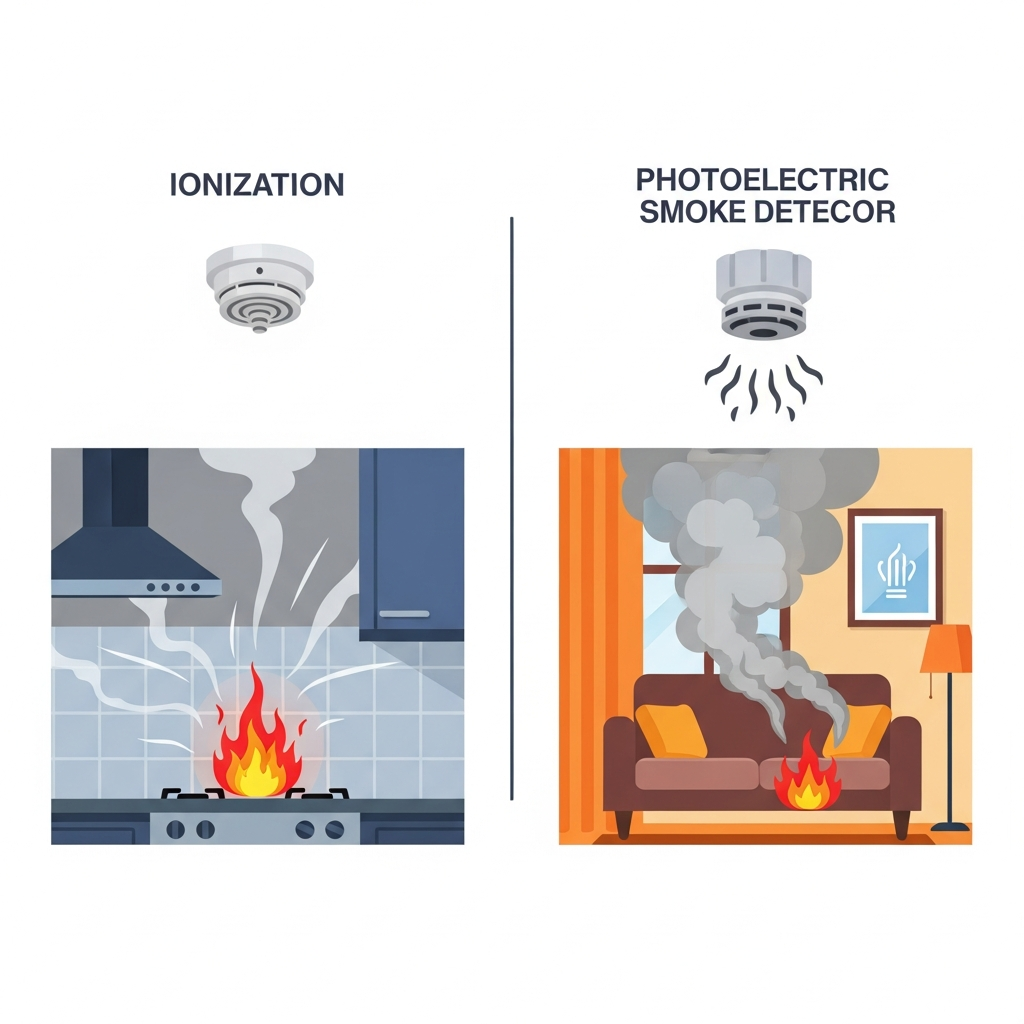
Ionization alarms are particularly adept at detecting fast-flaming fires, which produce smaller smoke particles. These types of fires often start with a spark or electrical malfunction and can spread rapidly. Examples include fires involving grease in a kitchen or paper igniting. The small smoke particles generated by these fires are efficiently drawn into the ionization chamber and interrupt the ion flow, leading to a quick alarm.
Limitations of Ionization Detectors
While effective against flaming fires, ionization detectors can be slower to respond to smoldering fires. Smoldering fires, which produce larger smoke particles, may take longer to accumulate enough particles to disrupt the ion current significantly. This can lead to a delay in detection, which is critical in a fire situation. Additionally, ionization detectors can sometimes be prone to nuisance alarms from cooking fumes or steam, though modern designs have improved in this regard.
How Photoelectric Smoke Detectors Work
Photoelectric smoke detectors operate on a different principle, utilizing a light beam within a sensing chamber. Inside a photoelectric detector, there is a light source (usually an LED) and a photosensitive sensor positioned at an angle to the light beam. In a normal, clear-air environment, the light beam shines away from the sensor.
When smoke particles enter the chamber, they scatter the light beam. Some of this scattered light is redirected onto the photosensitive sensor. When the sensor detects a sufficient amount of light, it triggers the alarm.
Strengths of Photoelectric Detectors
Photoelectric alarms are generally more responsive to slow-burning, smoldering fires. These fires produce larger smoke particles that are effective at scattering the light beam. Examples include fires that start with a cigarette dropped on upholstery or faulty wiring that slowly overheats. The larger particles effectively redirect the light, causing the alarm to sound sooner than an ionization detector might in such a scenario.
Limitations of Photoelectric Detectors
While excellent for smoldering fires, photoelectric detectors can be less responsive to fast-flaming fires that produce fewer large smoke particles. In these cases, an ionization detector might provide a faster warning. Photoelectric detectors can also be triggered by dust or insects that enter the chamber and scatter the light, though this is less common with newer models.
Dual-Sensor Smoke Detectors: The Best of Both Worlds
Recognizing the distinct strengths and weaknesses of each technology, many manufacturers now offer dual-sensor smoke detectors. These alarms incorporate both ionization and photoelectric sensors into a single unit. This combination provides a more comprehensive detection capability, ensuring that the alarm is responsive to both fast-flaming and slow-smoldering fires.
Why Dual-Sensor Alarms Are Recommended
For most homeowners, a dual-sensor smoke detector offers the most robust protection. By having both technologies working together, you cover a wider range of fire types and ignition scenarios. This dual approach significantly reduces the risk of a delayed alarm, a critical factor in minimizing property damage and saving lives. John Sisto, the expert home inspector behind Tampa Home Inspections, advises homeowners to go for dual-sensor alarms whenever possible, stating, “The peace of mind that comes from knowing your home is protected against both types of fires is invaluable. It’s a small investment for potentially life-saving protection.”
Placement Matters: Where to Install Your Smoke Detectors
The type of smoke detector is only one part of the equation; proper placement is equally vital. Smoke needs to reach the detectors quickly to provide an early warning. Following safety guidelines for placement can maximize the effectiveness of your chosen alarms.
Key Installation Locations
- Every Level of the Home: Install at least one smoke alarm on every story of your home, including the basement.
- Inside Each Bedroom: This is crucial for alerting sleeping occupants.
- Outside Sleeping Areas: Place alarms in the hallway or common area immediately outside of each bedroom door. This ensures that even if a fire starts near a bedroom, occupants can be alerted before the fire blocks their exit.
- Living Areas: Consider installing alarms in main living areas like the living room or family room, especially if they contain potential fire hazards.
Avoiding Problematic Locations
Near Cooking Appliances: While a detector outside the kitchen is recommended, avoid placing one inside* the kitchen where it can be easily triggered by cooking fumes or steam, leading to nuisance alarms. If placement is unavoidable, consider a photoelectric alarm, which is less prone to nuisance alarms from cooking than ionization alarms.
- Near Bathrooms: Steam from showers can trigger alarms.
- Near Windows and Doors: Drafts can blow smoke away from the detector, delaying the alarm.
- In Garages or Damp Areas: These areas can have environmental factors that trigger false alarms or damage the detector.
Interconnected Smoke Alarms: A Connected Defense
Beyond the type and placement of individual alarms, consider installing interconnected smoke alarms. When one interconnected alarm detects smoke, it signals all other interconnected alarms in the home to sound simultaneously. This creates a unified alert system, ensuring that everyone in the house hears the alarm, regardless of where the fire originates.
Benefits of Interconnected Systems
The primary benefit of interconnected alarms is that they provide an earlier warning to occupants farther away from the fire’s origin. If a fire starts in the basement, an interconnected alarm on the second floor will sound immediately, giving residents upstairs more time to escape. This is especially important in larger homes or homes with multiple levels. Interconnected systems can be wired or wireless.
Maintenance and Testing: Keeping Your Alarms Functional
Even the best smoke detectors are useless if they are not properly maintained and tested. Regular checks are essential to ensure they are working correctly.
Regular Testing
- Monthly Testing: Test all smoke alarms at least once a month by pressing the test button. This verifies that the power source and the alarm mechanism are functioning.
- Annual Cleaning: Dust and debris can accumulate inside the sensing chamber, impairing its function. Vacuum the alarms gently with a soft brush attachment or use a can of compressed air to blow out any dust.
Battery Replacement
- Regular Battery Changes: If your alarms are battery-powered, replace the batteries at least once a year, or when the low-battery warning chirp begins. Many people find it helpful to change batteries when they change their clocks for daylight saving time.
- Hardwired Alarms: Even hardwired alarms have battery backups that need to be replaced periodically.
Replacing Old Alarms
Smoke detectors do not last forever. The U.S. Fire Administration recommends replacing all smoke alarms every 10 years from the date of manufacture, regardless of whether they appear to be working. The sensing technology degrades over time, reducing their effectiveness. Check the manufacture date on the back of your alarms and plan for replacement.
Understanding Smoke Detector Standards and Certifications
When purchasing smoke detectors, look for alarms that have been tested and certified by a recognized third-party organization. The most common certification in North America is from Underwriters Laboratories (UL). A UL-listed smoke detector meets stringent safety and performance standards.
What to Look For on the Packaging
- UL Listing: Ensure the alarm is UL-listed.
- Type of Sensor: Clearly identify whether it’s ionization, photoelectric, or dual-sensor.
- Power Source: Note if it’s battery-powered, hardwired with battery backup, or plug-in.
- Interconnectivity: If it’s an interconnected model, confirm how it connects (wired or wireless).
Statistics on Smoke Detector Effectiveness
The impact of smoke detectors on fire safety is undeniable. Data from the NFPA consistently shows that homes with working smoke alarms are significantly safer.
- In fires where the smoke alarm was present but failed to operate, nearly half (45%) were due to dead batteries. This underscores the importance of regular battery maintenance.
- In fires where the smoke alarm was present and operated, occupants were twice as likely to escape unharmed compared to fires where no smoke alarm was present.
- According to the U.S. Fire Administration, the risk of dying in a home fire is reduced by about half when working smoke alarms are present.
Considerations for Specific Home Types
While the general principles apply to most homes, certain dwelling types might have specific considerations:
- Apartments and Condominiums: Building codes often dictate the type and number of smoke detectors required. It’s essential to confirm compliance with local regulations and ensure the alarms are maintained.
- Older Homes: Older homes may have fewer electrical outlets or less convenient locations for hardwired alarms. Battery-powered or wireless interconnected alarms can be a practical solution.
- Homes with Multiple Levels: Interconnected alarms are particularly beneficial in homes with basements, multiple stories, or large, open floor plans where smoke might take longer to reach all areas.
The Role of Carbon Monoxide Detectors
It’s important to distinguish smoke detectors from carbon monoxide (CO) detectors, though they are often combined into a single unit. While smoke detectors alert you to the presence of fire, CO detectors warn you about the presence of carbon monoxide, a colorless, odorless, and deadly gas produced by incomplete combustion.
Combined Units
Many modern safety devices are combination smoke and CO alarms. These units offer the convenience of a single device that monitors for both threats. When choosing a combination alarm, ensure it meets the same standards for both smoke and CO detection. John Sisto of Tampa Home Inspections notes, “We often see homeowners who are diligent about smoke alarms but overlook carbon monoxide. A combination unit is an efficient way to address both critical safety concerns.”
Conclusion
Choosing between photoelectric and ionization smoke detectors, or opting for a dual-sensor model, is a critical decision for home safety. Ionization alarms excel at detecting fast-flaming fires, while photoelectric alarms are better suited for smoldering fires. For comprehensive protection against a wider range of fire types, dual-sensor alarms are generally the recommended choice. Beyond the technology, proper placement in key areas throughout the home and regular maintenance, including testing and battery replacement, are paramount. Interconnected alarms further bolster safety by ensuring everyone is alerted simultaneously. By understanding these differences and following best practices for installation and upkeep, you can significantly improve your home’s defense against the devastating threat of fire.
Frequently Asked Questions
What is the main difference between photoelectric and ionization smoke detectors?
The primary difference lies in how they detect smoke. Ionization detectors use a small radioactive source to ionize air, creating a current that is disrupted by smoke particles. Photoelectric detectors use a light beam; smoke particles scatter this beam onto a sensor, triggering the alarm.
Are photoelectric smoke detectors better than ionization ones?
Neither type is universally “better”; they are better at detecting different types of fires. Photoelectric detectors are generally more responsive to slow, smoldering fires, while ionization detectors are quicker to respond to fast-flaming fires. For the most complete protection, dual-sensor alarms that combine both technologies are often recommended.
How often should I test my smoke detectors?
You should test all smoke detectors at least once a month by pressing the test button. This simple check ensures that the power source and alarm mechanism are functioning correctly.
How long do smoke detectors last, and when should I replace them?
Smoke detectors have a limited lifespan. It is recommended to replace all smoke alarms every 10 years from the date of manufacture, regardless of whether they appear to be working. The sensing technology degrades over time, making them less effective.
Should I use battery-powered or hardwired smoke detectors?
Both have pros and cons. Battery-powered alarms are easier to install and can be placed anywhere, but batteries need regular replacement. Hardwired alarms are connected to your home’s electrical system and usually have a battery backup for power outages, offering continuous protection but requiring professional installation. Dual-sensor alarms are available in both formats.
Can I install smoke detectors myself, or do I need a professional?
Most battery-powered smoke detectors can be easily installed by homeowners following the manufacturer’s instructions. Hardwired alarms typically require connection to your home’s electrical system, which is often best handled by a qualified electrician to ensure proper and safe installation.
Key Takeaways
- Ionization detectors are best for fast-flaming fires.
- Photoelectric detectors are best for slow, smoldering fires.
- Dual-sensor detectors combine both technologies for broader protection.
- Install alarms on every level, inside and outside sleeping areas.
- Interconnected alarms alert the entire house when one sounds.
- Test alarms monthly and replace batteries annually (or as needed).
- Replace all smoke detectors every 10 years.
- Look for UL-listed devices for certified safety and performance.
- Consider combination smoke and CO detectors for comprehensive home safety.