In the Sunshine State, where the hum of air conditioners is a constant companion, the safety and reliability of your home’s electrical system are paramount. A critical component of this system is the electrical panel, often referred to as the “brain” of your home’s electricity. For many homeowners in Florida and across the United States, the brand name “Zinsco” might ring a bell. However, this familiarity often comes with a significant question: Are Zinsco electrical panels safe? The answer is complex and requires careful consideration, especially for those living in Florida’s unique climate.
Electrical fires are a serious concern, and according to the National Fire Protection Association (NFPA), electrical distribution and lighting equipment were involved in an estimated average of 14,700 reported home structure fires per year between 2017 and 2021. These fires resulted in an average of 40 deaths and 440 injuries annually. [^1] While not all electrical fires are directly attributable to panel brand, the integrity of the panel is a major factor. Zinsco panels, manufactured primarily between the 1970s and 1990s, have a history that raises red flags for safety experts and home inspectors alike.
John Sisto, the expert home inspector behind Tampa Home Inspections, frequently encounters Zinsco panels during his assessments. He advises homeowners to be particularly aware of these older systems. “When I see a Zinsco panel, it’s an immediate signal to pay closer attention,” Sisto states. “These panels have known design flaws that can lead to overheating, loose connections, and a significantly increased risk of fire. For homeowners in Florida, where humidity and heat can put additional stress on electrical systems, addressing a Zinsco panel is not just a recommendation; it’s a crucial step for safety.”
This article will explore the history of Zinsco electrical panels, the specific issues that have led to safety concerns, and what Florida homeowners should do if they suspect they have one. Understanding these factors can help protect your home and family from potential electrical hazards.
A Brief History of Zinsco Electrical Panels
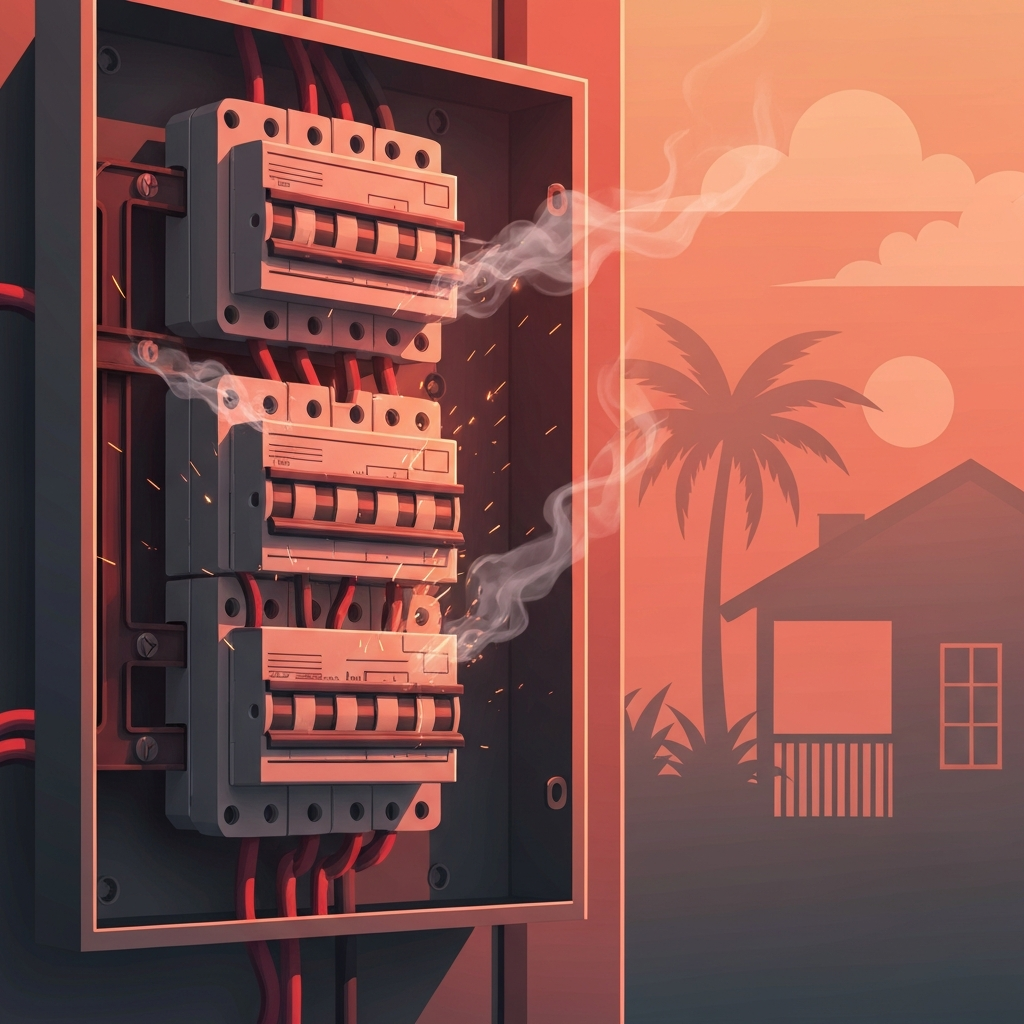
Zinsco, originally known as Zinsmans, began producing electrical equipment in the mid-20th century. The company’s panels became common in homes built during a period of significant housing development. Their popularity stemmed from a combination of factors, including cost-effectiveness and widespread distribution. However, as homes aged and electrical demands increased, the limitations and potential dangers of these panels began to surface.
During the 1970s and 1980s, Zinsco was a prominent name in the electrical panel market. The panels were installed in countless homes, and for decades, many functioned without obvious issues. The problem is that the underlying design and manufacturing quality of certain Zinsco models created latent hazards that might not manifest until years later.
A significant turning point in the perception of Zinsco panels occurred when the company was acquired by GTE-Sylvania. Later, Zinsco-type panels were also produced under the Sylvania and Federal Pacific Electric (FPE) brand names, adding to the confusion and the widespread presence of potentially problematic electrical equipment. This association with other brands that have also faced scrutiny, like Federal Pacific Electric, further fuels concerns about the safety of older electrical panels in general.
Understanding the Safety Concerns with Zinsco Panels
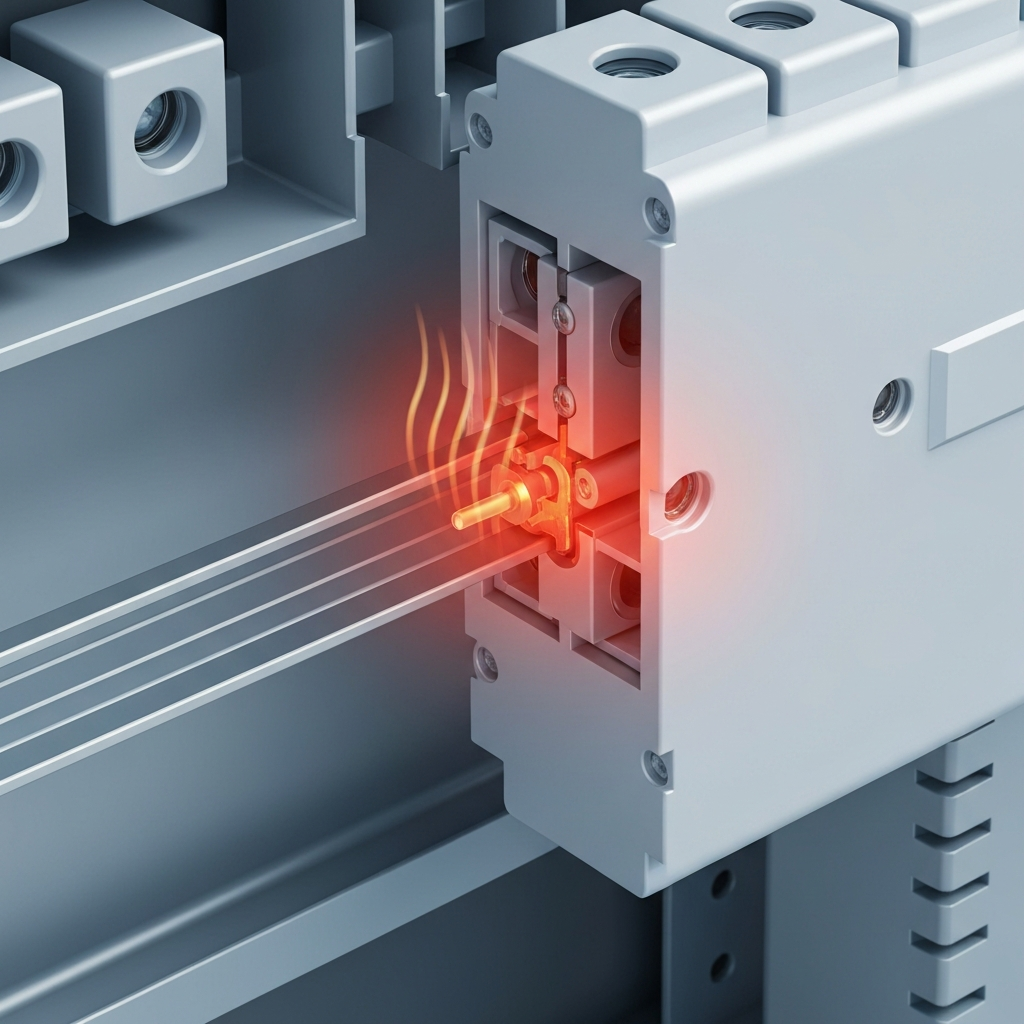
The primary safety issues associated with Zinsco electrical panels revolve around their internal construction and the materials used. These issues can lead to a range of problems, from flickering lights to catastrophic electrical fires.
Overheating and Fire Hazards
One of the most significant concerns is the tendency for Zinsco panels to overheat. This overheating is often linked to the design of the busbars – the metal strips that conduct electricity to the circuit breakers. In many Zinsco panels, the busbars have a design that allows for a less secure connection between the circuit breaker and the busbar itself. Over time, this loose connection can create resistance, which generates heat.
This heat can cause the surrounding materials within the panel to degrade, leading to further loss of connection and increased heat generation. This creates a dangerous cycle that can eventually lead to arcing and fire. The aluminum wiring, which was also common during the era when Zinsco panels were installed, can exacerbate these issues. Aluminum wiring expands and contracts more than copper wiring with temperature changes, which can further loosen connections at the breaker terminals.
Loose Connections and Arcing
The aforementioned busbar design is a key culprit in the prevalence of loose connections. When circuit breakers are not firmly seated on the busbars, intermittent contact occurs. This is not only inefficient, leading to power loss and appliance issues, but it also creates an environment ripe for arcing. Arcing is an electrical discharge that occurs when electricity jumps across a gap. It generates intense heat, sparks, and can ignite nearby flammable materials within the panel or the wall cavity.
Breaker Malfunctions
Another critical issue is the tendency for Zinsco circuit breakers to fail. In some cases, breakers may not trip when an overload or short circuit occurs. This means that a dangerous electrical condition could persist, continuing to overheat wires and potentially start a fire, without the safety mechanism of the breaker activating. Conversely, some Zinsco breakers have been known to trip unnecessarily, causing power interruptions without a clear fault. This unreliability is a hallmark of a system that is not performing its safety function as intended.
Corrosion and Deterioration
Florida’s humid environment can accelerate the corrosion of metal components. Electrical panels contain numerous metal parts, including busbars, terminals, and breaker connections. Humidity and salt air, prevalent in coastal areas of Florida, can contribute to the deterioration of these components. Corrosion can increase resistance at connection points, leading to overheating and arcing, similar to the issues caused by loose connections.
Identifying a Zinsco Electrical Panel in Your Florida Home
Recognizing whether your home has a Zinsco electrical panel is the first step toward addressing potential safety risks. The panel is typically located in a garage, basement, hallway, or utility room.
What to Look For
- Brand Name: The most obvious indicator is the brand name “Zinsco” printed on the panel cover or the individual circuit breakers.
- Panel Cover Design: Zinsco panels often have a distinctive cover design. They may feature a metal door with a handle and a label indicating the brand.
- Circuit Breaker Appearance: The circuit breakers themselves may have the Zinsco logo or name. They often have a two-tone appearance, sometimes with a silver or gray body and a black or red handle.
- Date of Manufacture: While not always explicitly visible, panels installed in homes built between the 1970s and 1990s are more likely to be Zinsco.
If you are unsure, it is best to consult with a qualified electrician or home inspector. They have the expertise to identify the panel and assess its condition. Trying to open the panel yourself is not recommended due to the risk of electric shock.
The Risks for Florida Homeowners
Florida’s climate presents a unique set of challenges that can amplify the risks associated with older electrical systems like Zinsco panels.
Humidity and Corrosion
As mentioned, the high humidity levels in Florida can accelerate the corrosion of metal components within the electrical panel. This corrosion can lead to increased electrical resistance, overheating, and a higher likelihood of connection failures. Coastal areas are particularly susceptible due to the presence of salt in the air, which is highly corrosive.
Heat and Increased Electrical Load
Florida homes often rely heavily on air conditioning systems, especially during the hot summer months. This constant high demand places a significant and sustained load on the electrical system. Older panels, like Zinsco, may not be designed to handle these continuous high loads, leading to increased heat generation within the panel. This heat, combined with the inherent design flaws of Zinsco panels, creates a dangerous combination.
Aging Infrastructure
Many homes in Florida were built decades ago. The electrical infrastructure, including the panel, wiring, and outlets, has aged. Components that were once functional may have deteriorated over time, increasing the risk of failure. When coupled with a panel that has known design issues, the risk is compounded.
What Should Florida Homeowners Do?
If you discover you have a Zinsco electrical panel, or even suspect you might, immediate action is recommended. The consensus among safety experts and electricians is that these panels pose an unacceptable risk.
Consult a Qualified Electrician
The most crucial step is to contact a licensed and reputable electrician. They can perform a thorough inspection of your electrical panel and the entire system. An electrician can:
- Confirm the Brand: Identify if you indeed have a Zinsco panel.
- Assess the Condition: Evaluate the current state of the panel, looking for signs of overheating, corrosion, or damage.
- Recommend Replacement: Advise on the necessity and process of replacing the Zinsco panel with a modern, safer alternative.
- Provide a Quote: Offer an estimate for the cost of replacement.
John Sisto of Tampa Home Inspections emphasizes the importance of professional assessment. “Don’t wait for a problem to occur. If you have a Zinsco panel, consider it a ticking time bomb. The cost of replacement is a small price to pay for the peace of mind and safety it provides. We always recommend homeowners address these issues promptly, especially in Florida.”
Consider Replacement Options
Replacing an electrical panel is a significant undertaking, but it is a necessary investment for safety. Modern electrical panels are designed with updated safety features and materials that far surpass older models. When replacing a Zinsco panel, an electrician will typically install a new panel with a higher amperage capacity, depending on your home’s needs, and equip it with modern circuit breakers that reliably protect your home.
The cost of replacement can vary depending on the size of the panel, the complexity of the installation, and the local labor rates. However, it is a worthwhile investment that can prevent costly damage from electrical fires and improve the overall safety and functionality of your home’s electrical system.
Insurance Implications
Some insurance companies may view Zinsco panels as a liability. In some cases, homeowners with Zinsco panels might face higher premiums, or their insurance policy could be canceled or denied coverage. It is advisable to check with your homeowner’s insurance provider to understand their stance on older electrical panels. Replacing a Zinsco panel can often help secure or maintain your insurance coverage.
Alternatives to Zinsco Panels
When replacing a Zinsco panel, electricians typically recommend installing a panel from a reputable manufacturer known for quality and safety. Some of the leading brands in the industry include:
- Square D: Known for their reliability and wide range of products.
- Eaton: Offers a variety of high-quality electrical distribution equipment.
- Siemens: A global leader in electrical engineering and manufacturing.
- General Electric (GE): A long-standing and trusted name in electrical products.
These modern panels are designed to meet current electrical codes and safety standards, providing superior protection against electrical faults. They feature improved busbar designs, more reliable breaker mechanisms, and are built with materials that resist corrosion and heat buildup.
Electrical Panel Maintenance and Modern Standards
Beyond just replacing a faulty panel, understanding general electrical panel maintenance and modern standards is beneficial for all homeowners.
Regular Inspections
Even with a modern panel, periodic inspections by a qualified electrician are recommended. These inspections can catch minor issues before they become major problems. An electrician can check for loose connections, signs of overheating, and ensure that all breakers are functioning correctly. The Electrical Safety Foundation International (ESFI) notes that electrical system inspections are crucial for preventing fires and electrocutions. [^2]
Understanding Amperage
Older homes often have electrical panels with lower amperage ratings (e.g., 60 or 100 amps). Modern homes with increased electrical demands (multiple appliances, electronics, electric vehicles) often require higher amperage service (e.g., 150 or 200 amps). Replacing an old Zinsco panel is an opportune time to upgrade the amperage to meet current and future needs.
Licensed Professionals
Always ensure that any electrical work is performed by a licensed and insured electrician. This guarantees that the work is done to code and that you are protected in case of any issues. In Florida, licensing requirements for electricians are overseen by the Florida Department of Business and Professional Regulation. [^3]
Key Takeaways
- Zinsco panels have known safety issues: Primarily related to their busbar design, which can lead to overheating, loose connections, and fire hazards.
- Florida’s climate exacerbates risks: High humidity and constant heat from air conditioning can increase the likelihood of corrosion and stress on the electrical system.
- Identification is key: Look for the “Zinsco” brand name on the panel cover or breakers. If unsure, consult a professional.
- Replacement is strongly recommended: The consensus among experts is that Zinsco panels should be replaced due to their inherent risks.
- Consult a licensed electrician: They can assess your panel, recommend replacement, and ensure the work is done safely and to code.
- Modern panels offer superior safety: Brands like Square D, Eaton, Siemens, and GE provide reliable alternatives.
- Consider amperage upgrades: Replacing a panel is a good opportunity to ensure your home has adequate electrical service for modern demands.
- Insurance may be affected: Some insurers view Zinsco panels as a liability, making replacement a prudent step for policyholders.
- Regular maintenance is vital: Even with a new panel, periodic professional inspections are important for ongoing safety.
Frequently Asked Questions
What are the main dangers of Zinsco electrical panels?
The primary dangers associated with Zinsco electrical panels stem from their design. The busbar connection between the circuit breakers and the panel’s internal wiring can be insecure. This can lead to resistance, overheating, arcing, and a significantly increased risk of electrical fires. Additionally, the circuit breakers themselves may not function reliably, failing to trip during overcurrent events, which removes a critical safety layer.
How can I tell if my home has a Zinsco electrical panel?
You can typically identify a Zinsco panel by looking for the brand name “Zinsco” printed on the panel cover or the individual circuit breakers. The panels often have a distinctive metal cover, and the breakers might have a two-tone color scheme. If you are unsure, it is best to have a qualified electrician or home inspector examine it. Do not attempt to open the panel yourself.
Is it mandatory to replace a Zinsco electrical panel?
While there might not be a universal legal mandate in every jurisdiction, the overwhelming consensus among electrical safety experts, home inspectors, and insurance companies is that replacing a Zinsco panel is highly advisable due to the significant safety risks involved. Many consider it a critical safety upgrade to prevent potential fires.
What is the typical cost to replace an old electrical panel like a Zinsco?
The cost to replace an electrical panel can vary widely based on factors such as the complexity of the installation, the need for an amperage upgrade (e.g., from 100 amps to 200 amps), local labor rates, and the specific panel brand chosen. Generally, homeowners can expect to pay anywhere from $1,000 to $3,000 or more for a full panel replacement performed by a licensed electrician. It is recommended to obtain quotes from several reputable electricians.
Can I replace a Zinsco panel myself?
Replacing an electrical panel is a complex and dangerous task that involves working with high-voltage electricity. It requires specialized knowledge, tools, and adherence to strict safety codes. For these reasons, it is strongly recommended that homeowners hire a licensed and insured electrician to perform the replacement. Doing it yourself can void warranties, insurance, and, most importantly, put yourself and your home at severe risk of electrocution or fire.
Will my homeowner’s insurance cover damage from a Zinsco panel fire?
This depends heavily on your specific insurance policy and the insurer’s guidelines. Some insurance companies may consider Zinsco panels a known hazard and might deny coverage for damages resulting from a fire caused by one. Others might require you to replace the panel as a condition of coverage or charge higher premiums. It is crucial to discuss your electrical panel situation with your insurance provider to understand your coverage and any potential implications.
Conclusion
The presence of a Zinsco electrical panel in a Florida home is a serious safety concern that warrants prompt attention. The inherent design flaws of these panels, combined with the environmental stresses of Florida’s climate, create a heightened risk of overheating, electrical faults, and potentially devastating fires. While these panels may have served their purpose for decades, their continued use poses an unacceptable threat to homeowners and their property.
The most prudent course of action is to engage a licensed electrician to inspect your panel and, most likely, recommend its replacement. Investing in a modern, safe electrical panel from a reputable manufacturer is not just an upgrade; it is an essential step in protecting your home, your family, and your peace of mind. By understanding the risks and taking proactive measures, Florida homeowners can ensure their electrical systems are as safe and reliable as possible in 2026 and beyond.
[^1]: National Fire Protection Association. (2023). Home Structure Fires. Retrieved from nfpa.org
[^2]: Electrical Safety Foundation International. (n.d.). Home Electrical Safety. Retrieved from esfi.org
[^3]: Florida Department of Business and Professional Regulation. (n.d.). Construction Industry Licensing Board. Retrieved from myfloridalicense.com