A staggering statistic from the U.S. Fire Administration indicates that in 2022, heating equipment, including chimneys, was the leading cause of home fires in the United States, accounting for approximately 13% of reported fires. Regular chimney inspections are not just a recommendation; they are a vital step in ensuring the safety and efficiency of your home, particularly in a region like Tampa, Florida, where humidity and occasional cooler weather necessitate proper fireplace and heating system function. John Sisto, the expert home inspector behind Tampa Home Inspections, emphasizes that a thorough chimney inspection is a critical component of responsible homeownership. It safeguards against potential fire hazards, prevents costly structural damage, and ensures your heating systems operate as intended. This article will explore what Tampa chimney inspectors examine and the significant reasons why these checks are indispensable for homeowners.
The Importance of Regular Chimney Inspections
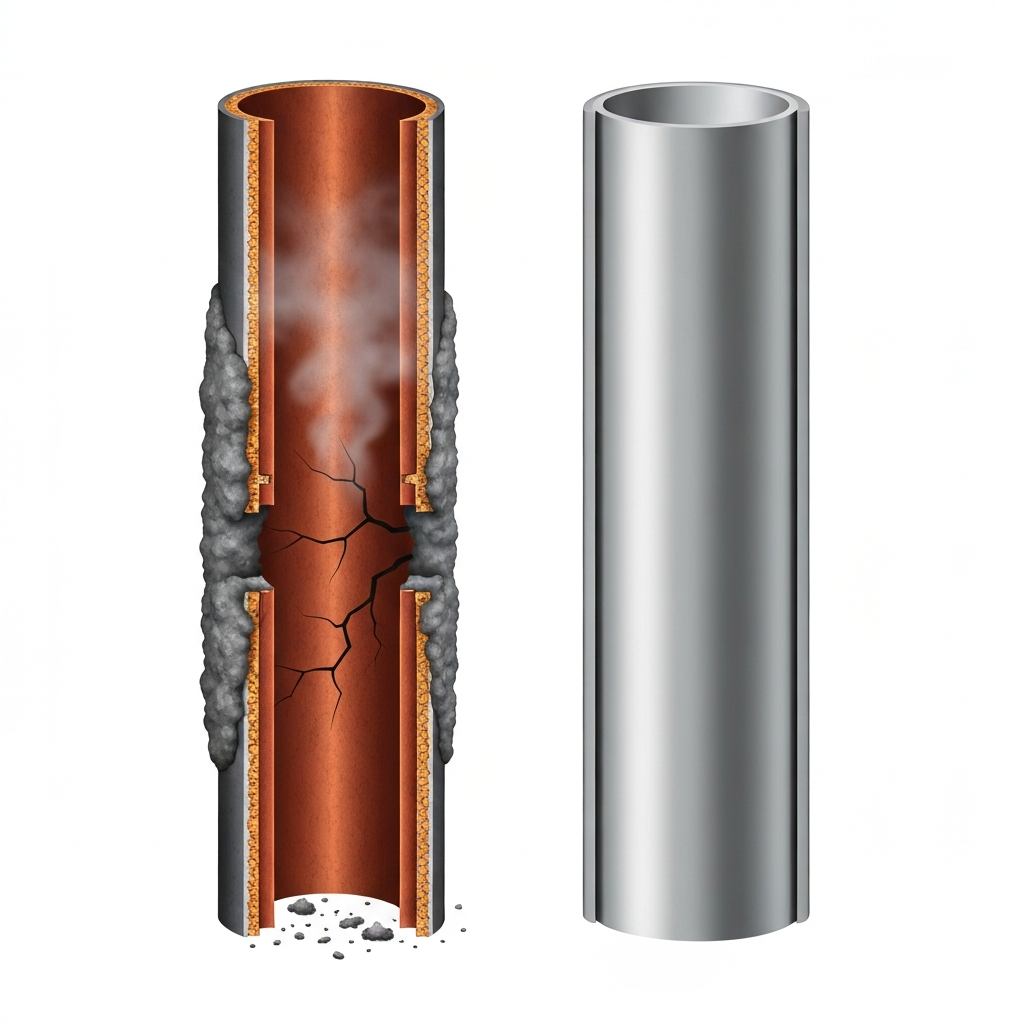
Many homeowners associate chimneys primarily with winter warmth, overlooking their function during other times of the year. However, chimneys are in use not just for fireplaces but also for various heating appliances like furnaces, water heaters, and dryers, depending on the home’s setup. Over time, creosote, a flammable byproduct of burning wood, can accumulate inside the chimney flue. If this buildup becomes excessive, it presents a serious fire risk.
Beyond fire prevention, chimney inspections are crucial for identifying other issues that can affect your home’s integrity and air quality. Cracks in the chimney structure, damaged liners, or blockages can lead to water intrusion, carbon monoxide leaks, and reduced heating efficiency. John Sisto of Tampa Home Inspections frequently advises homeowners, “Ignoring your chimney is like ignoring a ticking time bomb. Small issues can quickly grow into major, expensive problems, not to mention the safety risks involved.”
Types of Chimney Inspections
Chimney inspections are generally categorized into three levels, as defined by the Chimney Safety Institute of America (CSIA). Understanding these levels helps homeowners know what to expect during a professional examination.
Level 1 Inspection
This is the most common type of inspection, recommended annually for most homes. It’s a visual examination of the readily accessible parts of the chimney and its connected appliances. A Level 1 inspection checks for obvious issues like blockages, obstructions, and indications of imminent hazards. It does not typically involve any disassembly or specialized tools beyond basic inspection equipment.
- What’s Checked: Visible portions of the chimney exterior, interior flue, firebox, damper, and smoke chamber. The inspector looks for creosote buildup, cracks, deterioration, and proper draft.
- When It’s Needed: Routine annual maintenance for chimneys in good condition.
Level 2 Inspection
A Level 2 inspection is more comprehensive and is required when changes are made to the system, such as a new appliance being connected, or when a Level 1 inspection reveals a potential problem that needs further investigation. This inspection may involve the use of video scanning equipment to examine the interior of the flue more closely. It also includes examinations of the attic, basement, and crawl spaces, as well as checking the chimney’s structure and accessibility.
- What’s Checked: All aspects of a Level 1 inspection, plus examination of the chimney structure, flue, and internal components using specialized tools like cameras. It also assesses the chimney’s condition during events like roof or attic inspections.
- When It’s Needed: When selling or buying a home, after a chimney fire or severe weather event, or when installing a new appliance or making modifications to the existing system.
Level 3 Inspection
A Level 3 inspection is the most extensive and is recommended only when a serious hazard is suspected. This type of inspection may involve opening up the chimney structure to examine hidden areas. It’s often a last resort when other inspection methods fail to resolve concerns about safety or structural integrity.
- What’s Checked: All aspects of Level 1 and Level 2 inspections, plus the removal of certain chimney components or building materials to access and inspect concealed areas.
- When It’s Needed: When a significant hazard is suspected and requires investigation of hidden areas, such as structural issues or concealed blockages.
What Tampa Chimney Inspectors Check
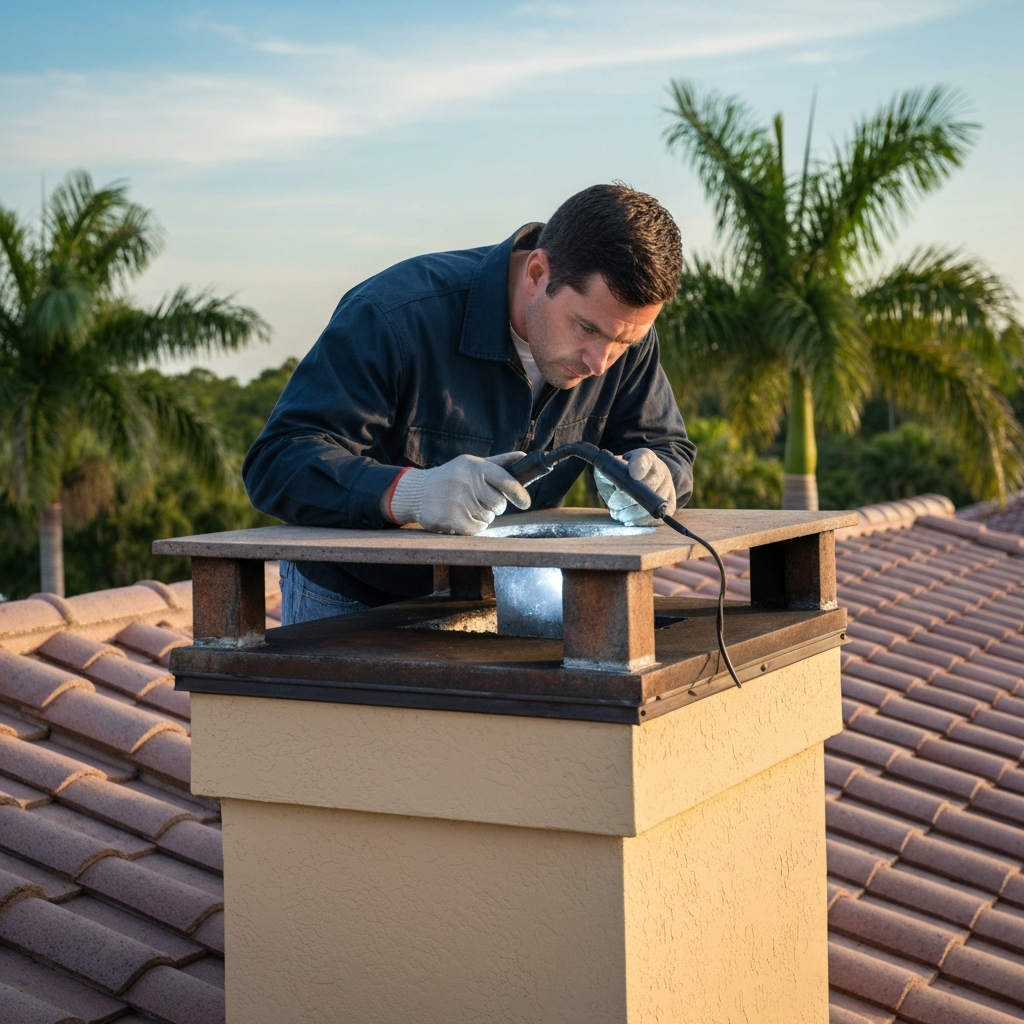
When a Tampa homeowner schedules a chimney inspection, whether it’s an annual check or part of a home purchase, the inspector follows a systematic process to evaluate the chimney’s condition. John Sisto from Tampa Home Inspections outlines the key areas of focus:
1. The Chimney Exterior
The inspector begins by examining the visible exterior of the chimney. This includes the chimney crown (the concrete slab at the top), the flashing (the metal material where the chimney meets the roof), the masonry, and the cap.
- Chimney Crown: This is the first line of defense against water penetration. Inspectors look for cracks, spalling (flaking or peeling of masonry), or crumbling. A damaged crown can allow water to seep into the chimney structure, leading to freeze-thaw damage (even in milder climates, temperature fluctuations can occur) and deterioration of the masonry.
- Flashing: Proper flashing is essential to prevent water from leaking into the attic or the space between the chimney and the roof. Inspectors check for rust, damage, or improper installation that could allow water ingress.
- Masonry: The bricks or stones of the chimney are inspected for cracks, loose mortar, or signs of deterioration. Weathering, settling, and impact damage can all compromise the structural integrity of the chimney.
- Chimney Cap: The cap sits atop the chimney and prevents rain, snow, animals, and debris from entering the flue. Inspectors check if the cap is securely attached, free from damage, and if the mesh screen (if present) is intact to prevent animal entry.
2. The Damper and Smoke Chamber
The damper is a crucial component that controls airflow and prevents cold air from entering the home when the fireplace is not in use. The smoke chamber is the area just above the damper that transitions the flue from the firebox.
- Damper: Inspectors check if the damper opens and closes properly and seals effectively. A rusty, warped, or broken damper can lead to drafts and energy loss. Some dampers are located at the top of the chimney, requiring a different inspection approach.
- Smoke Chamber: This area is checked for cracks, obstructions, or signs of deterioration. Proper construction of the smoke chamber is vital for directing smoke efficiently up the flue and preventing it from entering the living space.
3. The Firebox
The firebox is where the fire is built. It’s typically constructed with firebricks and mortar, designed to withstand high temperatures.
- Firebricks and Mortar: Inspectors examine the firebricks for cracks, chips, or signs of excessive wear. They also check the mortar joints between the bricks for crumbling or gaps. Damage to the firebox can compromise its ability to contain the fire safely.
- Grate and Ash Pan: While not always the primary focus, the condition of the grate (which holds the logs) and the ash pan (for collecting ashes) is noted. These components should be in good condition and free from excessive rust or damage.
4. The Flue Liner
The flue liner is a critical safety feature, typically made of clay tiles, metal, or cast-in-place cement. It protects the chimney’s masonry structure from the intense heat and corrosive byproducts of combustion.
- Condition of the Liner: This is one of the most important aspects of the inspection. Inspectors look for cracks, missing pieces, or deterioration in the liner. A damaged liner can allow heat and toxic gases to leak into the chimney structure and potentially into the home.
- Creosote Buildup: The presence and thickness of creosote buildup are assessed. While some creosote is normal with wood burning, excessive buildup (typically more than 1/8 inch) significantly increases the risk of a chimney fire. Inspectors will note the level of buildup and recommend cleaning if necessary.
5. Associated Appliances
If the chimney serves other appliances like a furnace, water heater, or dryer, inspectors will check the connection points and the condition of the vent pipes leading to the chimney.
- Venting Connections: They ensure that the vent pipes are securely connected to the chimney and are free from corrosion or blockages. Improper connections can lead to dangerous exhaust gases escaping into the home.
- Appliance Performance: While not a full appliance inspection, the inspector may note any visible issues with the venting system related to the appliance, such as signs of back-drafting or corrosion.
Why These Checks Matter for Tampa Homeowners
The findings from a chimney inspection directly impact a homeowner’s safety, finances, and peace of mind.
Fire Prevention
This is the most critical reason for regular inspections. Creosote buildup is highly flammable. According to the National Fire Protection Association (NFPA), chimney fires can spread rapidly and cause extensive damage. A clean chimney, free from excessive creosote, significantly reduces this risk. John Sisto of Tampa Home Inspections states, “The vast majority of chimney fires can be prevented with regular cleaning and maintenance. We find issues that homeowners aren’t even aware of, and addressing them early is key.”
Carbon Monoxide Safety
Faulty chimneys or blocked flues can prevent the proper venting of combustion byproducts, including carbon monoxide (CO). CO is a colorless, odorless, and deadly gas. A damaged flue liner or a blockage can cause CO to seep into the home, posing a severe health risk to occupants. Regular inspections ensure that the chimney system is functioning correctly to vent these dangerous gases safely outside.
Structural Integrity and Longevity
The Florida climate, with its humidity and occasional intense storms, can take a toll on masonry structures. Water intrusion, freeze-thaw cycles (even mild ones), and settling can lead to cracks and deterioration in the chimney. Catching these issues early during an inspection allows for timely repairs, preventing more extensive and costly damage down the line. A well-maintained chimney can protect its structural integrity for many decades.
Energy Efficiency
A properly functioning chimney system contributes to the overall energy efficiency of your home. A damaged damper that doesn’t seal well can allow conditioned air to escape. Blockages or poor draft can make heating systems work harder, consuming more energy. Ensuring the chimney is in good repair helps your heating systems operate more efficiently, potentially lowering utility bills.
Property Value and Saleability
When buying or selling a home in Tampa, a recent chimney inspection report can be a valuable asset. For sellers, it demonstrates due diligence and can alleviate buyer concerns. For buyers, it provides crucial information about the condition of a significant home system, preventing unexpected repair costs after the purchase.
Common Issues Found in Tampa Chimneys
While Tampa doesn’t experience the harsh winters of northern states, chimneys are still susceptible to specific issues:
- Creosote Buildup: Even with less frequent use of fireplaces compared to colder climates, wood-burning fireplaces and even some heating appliances can produce creosote. The high humidity can also contribute to certain types of buildup.
- Water Damage: Tampa’s rainfall, coupled with the high humidity, makes water intrusion a significant concern. Rain can enter through damaged crowns or caps, and condensation can form within the flue, especially with modern, high-efficiency appliances. This moisture can degrade mortar and masonry over time.
- Animal Intrusion: Birds, squirrels, and other small animals can nest in chimneys, especially if there is no cap or the cap is damaged. These nests can create serious fire hazards and blockages.
- Masonry Deterioration: The constant exposure to the elements can cause mortar joints to crumble and bricks to spall, particularly in older structures.
- Damaged Flue Liners: Over time, flue liners can crack or deteriorate due to heat, moisture, or physical impact. This is a critical safety concern that inspectors always prioritize.
Choosing a Qualified Chimney Inspector
Selecting the right professional for your chimney inspection is paramount. Look for inspectors who are certified by reputable organizations like the Chimney Safety Institute of America (CSIA) or the National Chimney Sweep Guild. These certifications indicate that the inspector has undergone specialized training and adheres to industry standards.
When contacting Tampa Home Inspections, for instance, you can inquire about their inspector’s credentials and experience. A good inspector will be transparent about their process, provide a detailed report of their findings, and offer clear recommendations for any necessary repairs or cleaning. According to the CSIA, homeowners should always ask for credentials and references. The Chimney Safety Institute of America provides resources for homeowners to find certified professionals.
Conclusion
A chimney inspection is far more than a routine maintenance task; it’s a fundamental aspect of home safety and property preservation. For Tampa homeowners, understanding what inspectors check—from the exterior crown to the interior flue liner—and why these checks are vital can prevent potentially devastating fires, protect against dangerous carbon monoxide leaks, and safeguard the structural integrity of their homes. Regular inspections by qualified professionals ensure that this critical part of your home is functioning safely and efficiently, providing peace of mind year-round.
Key Takeaways
- Annual chimney inspections are crucial for fire prevention and safety.
- Inspectors check the chimney exterior (crown, flashing, masonry, cap), damper, smoke chamber, firebox, and flue liner.
- Creosote buildup is a primary fire hazard that inspectors assess.
- Damaged flue liners or blockages can lead to dangerous carbon monoxide leaks.
- Inspections help identify water damage and structural issues common in Florida’s climate.
- Choosing a certified inspector from organizations like the CSIA is essential.
- Regular maintenance ensures energy efficiency and can protect property value.
Frequently Asked Questions
What is creosote and why is it a problem?
Creosote is a black, tar-like residue that forms inside a chimney when wood is burned. It’s highly flammable and, when it accumulates to a certain thickness (typically more than 1/8 inch), it poses a significant fire risk. A chimney fire occurs when this accumulated creosote ignites.
How often should my chimney be inspected?
The Chimney Safety Institute of America (CSIA) recommends annual inspections for all chimneys, regardless of how often they are used. This ensures that any developing issues are caught early. If you use your fireplace or heating appliances frequently, more frequent cleaning might be necessary.
Can I inspect my chimney myself?
While you can perform a basic visual check for obvious obstructions or damage from the outside, a professional inspection is necessary for a thorough assessment. Certified inspectors have the training, tools, and experience to identify hidden dangers like cracks in the flue liner or structural weaknesses that a homeowner might miss.
What is the difference between a chimney inspection and a chimney cleaning?
An inspection is a visual examination to assess the condition of the chimney and identify potential hazards or needed repairs. A cleaning, or sweeping, is the process of removing creosote buildup, soot, and other blockages from the inside of the chimney flue. Inspections often lead to recommendations for cleaning, and cleaning is usually followed by a brief inspection.
What happens if a chimney inspection reveals problems?
If problems are found, the inspector will provide a detailed report outlining the issues and recommend appropriate solutions. This might range from a simple cleaning to more extensive repairs such as relining the flue, rebuilding a damaged section of masonry, or repairing the chimney crown or flashing. It’s important to address these recommendations promptly to ensure safety.
Is chimney inspection necessary for gas fireplaces?
Yes, even gas fireplaces and appliances that vent through a chimney require inspection. While they don’t produce creosote like wood-burning fireplaces, they can still suffer from blockages (like bird nests), corrosion, or damage to the vent system and chimney structure. Proper venting is still crucial for safety, especially to prevent issues like carbon monoxide leaks.