Over 60% of homeowners in Florida have experienced some form of foundation issue, ranging from minor cracks to significant structural damage. (2026 data estimate) Understanding the cost of a foundation inspection in Tampa is crucial for homeowners looking to protect their most significant investment. In 2026, these costs can vary widely based on several factors, but a clear understanding will help you budget effectively and ensure you receive a thorough assessment.
This article details what influences foundation inspection costs in Tampa, typical price ranges, what’s included in an inspection, and tips for finding a reputable inspector.
What is a Foundation Inspection?
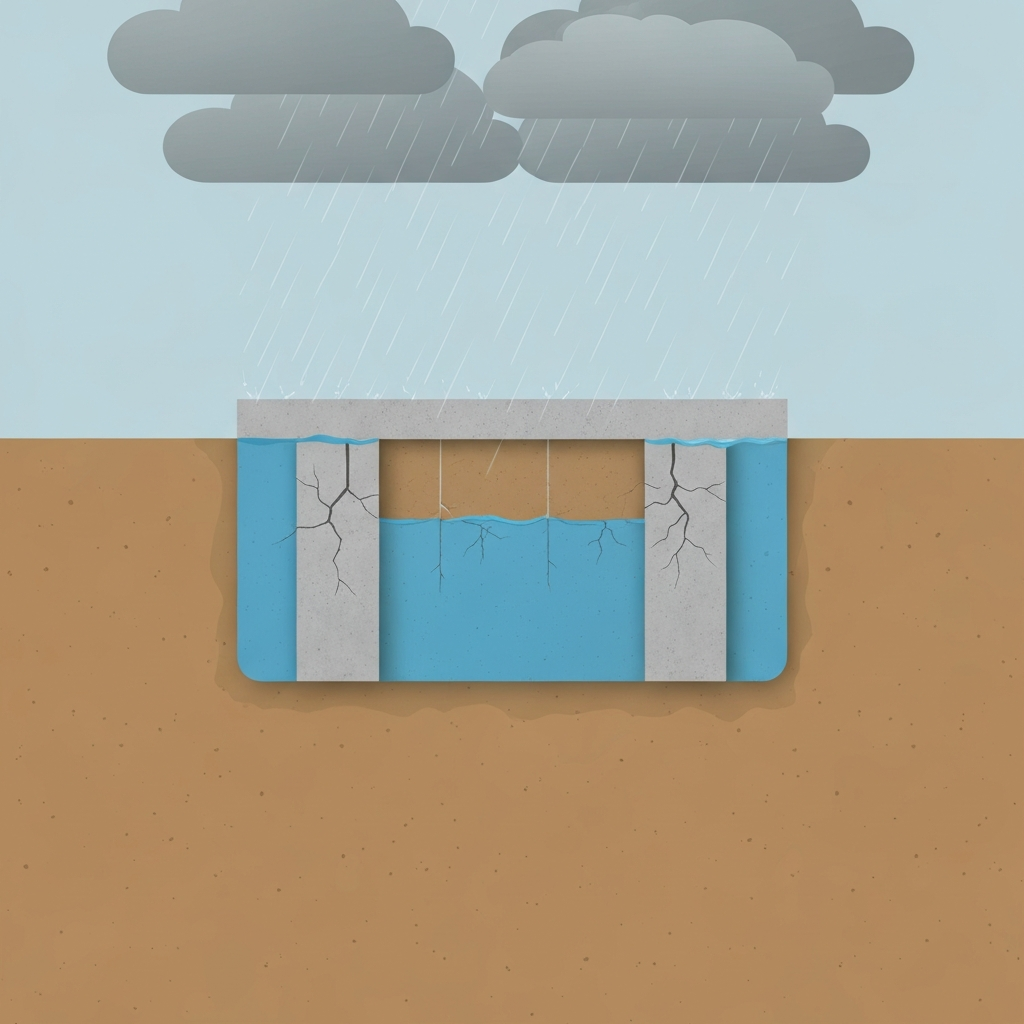
A foundation inspection is a detailed examination of a home’s foundation system. It assesses the structural integrity, identifies potential problems like cracks, settlement, or water intrusion, and evaluates the overall health of the foundation. Professional inspectors use various tools and techniques to diagnose issues and recommend appropriate solutions. This process is vital for maintaining the safety and value of a property.
Why Are Foundation Inspections Necessary in Tampa?
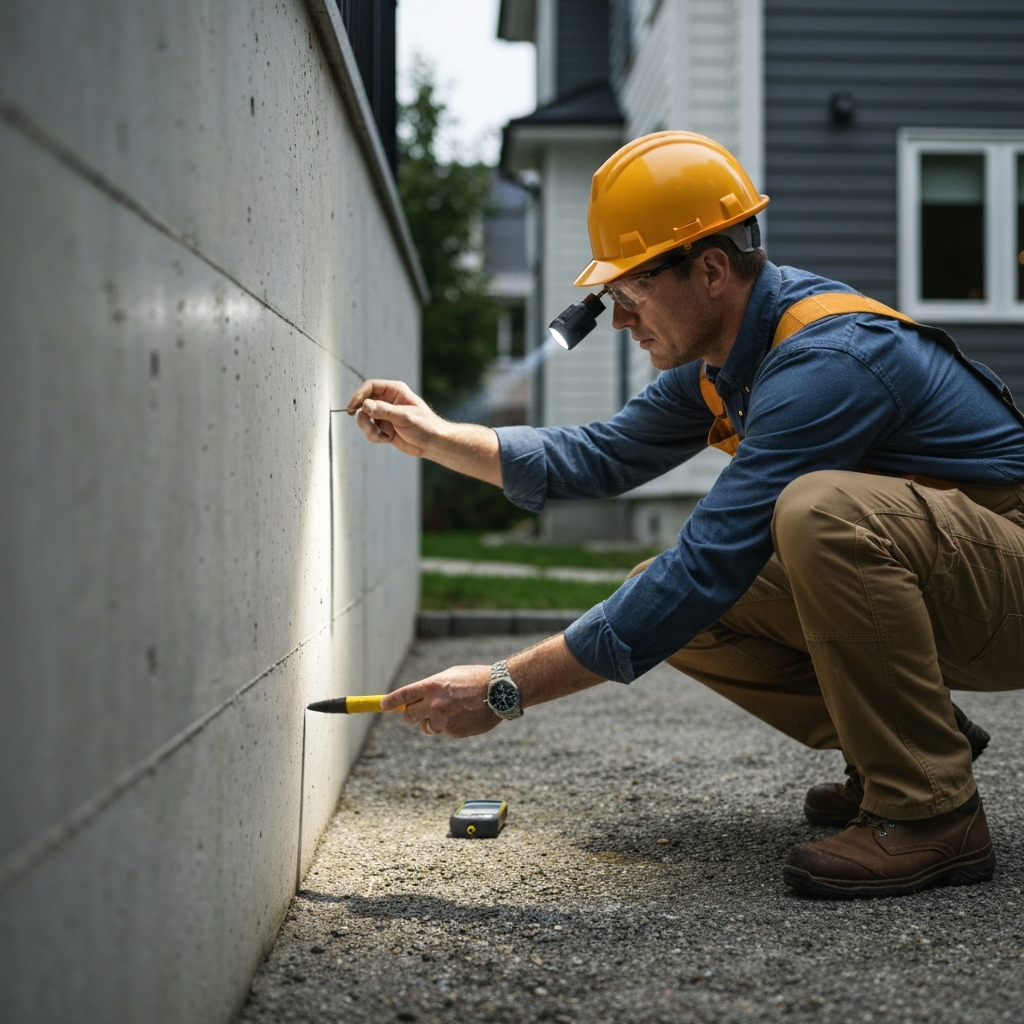
Tampa’s unique geological and environmental conditions make foundation inspections particularly important. The region is known for its sandy soil, high water tables, and susceptibility to hurricanes and tropical storms, all of which can impact a home’s foundation.
Soil Conditions in Tampa
Tampa sits on porous, sandy soil that can shift and compress, especially when saturated with water. This soil instability can lead to foundation settlement.
Water Table and Drainage
The high water table in Tampa means that groundwater can exert hydrostatic pressure on foundation walls and slabs. Poor drainage around a home can exacerbate this issue, leading to water intrusion and potential foundation damage.
Weather Patterns
Florida’s climate, characterized by heavy rainfall and occasional extreme weather events like hurricanes, puts additional stress on foundations. Intense rains can saturate the soil, causing expansion and contraction, while high winds can create uneven pressures.
Age of Homes
Many homes in Tampa are older, and their original foundations may not have been built to current standards or may have deteriorated over time. Regular inspections can catch age-related issues before they become severe.
Factors Influencing Foundation Inspection Costs in Tampa
Several variables contribute to the final price of a foundation inspection in Tampa for 2026. Understanding these factors can help homeowners anticipate the potential expenses.
Inspector’s Experience and Qualifications
Highly experienced and certified foundation inspectors may charge more due to their expertise and proven track record. Certifications from organizations like the American Society of Civil Engineers (ASCE) or the Structural Engineering Institute (SEI) often indicate a higher level of competence.
Scope of the Inspection
A standard visual inspection will cost less than a comprehensive assessment that includes specialized testing. If the inspector needs to use advanced equipment or perform intrusive testing, the cost will increase.
Property Size and Complexity
Larger homes and properties with complex foundation systems (e.g., multiple levels, basements, or unique architectural features) require more time and effort to inspect, thus increasing the cost.
Location within Tampa Bay Area
While this article focuses on Tampa, costs can fluctuate slightly based on the specific neighborhood or if the property is in a more remote part of the Tampa Bay area. Travel time for the inspector can be a factor.
Urgency of the Inspection
If an inspection is needed on short notice or during a peak demand period (e.g., before a sale or after a storm), the inspector might charge a premium for expedited service.
Type of Foundation System
Inspecting different foundation types, such as slab-on-grade, crawl space, or basement foundations, can vary in complexity and time commitment. Slab foundations, common in Florida, can sometimes be more challenging to inspect thoroughly without specialized equipment.
Average Foundation Inspection Costs in Tampa (2026)
In 2026, homeowners in Tampa can expect to pay a range for a professional foundation inspection. These figures are estimates and can vary based on the factors mentioned above.
Standard Visual Inspection
A typical visual inspection, which involves a walk-through and examination of accessible areas, generally costs between $300 and $700. This is the most common type of inspection for routine checks or pre-purchase assessments.
Comprehensive Inspection with Specialized Tools
A more in-depth inspection that utilizes tools like moisture meters, crack gauges, or even ground-penetrating radar (GPR) can range from $600 to $1,500 or more. These inspections are usually recommended when significant issues are suspected.
Inspections for Real Estate Transactions
When a foundation inspection is part of a real estate purchase or sale, the cost might be bundled into the overall home inspection fee, or it could be a standalone service. The price for this specific purpose typically falls within the standard or comprehensive ranges.
Cost of Follow-Up Testing or Engineering Reports
If the initial inspection reveals potential problems, a follow-up engineering report or specialized testing might be required. These can add $500 to $3,000+ to the overall cost, depending on the complexity of the assessment needed.
What Does a Foundation Inspection Typically Include?
A thorough foundation inspection goes beyond a simple visual check. Reputable inspectors in Tampa will typically cover the following aspects:
Exterior Foundation Examination
- Visible Cracks: Inspectors look for the size, depth, and pattern of cracks in the foundation walls and exterior.
- Settlement or Heaving: They assess if the foundation is sinking (settling) or rising (heaving) unevenly.
- Drainage Issues: The grading around the house, downspout extensions, and the presence of standing water are evaluated.
- Moisture Intrusion: Signs of water stains, efflorescence (a white powdery substance), or mold on the exterior foundation are noted.
- Vegetation and Soil: The proximity of trees and shrubs to the foundation and the condition of the soil are observed.
Interior Foundation Examination
- Interior Cracks: Similar to the exterior, cracks in interior walls, ceilings, and floors are documented.
- Sticking Doors and Windows: Uneven foundation movement can cause doors and windows to become misaligned and difficult to open or close.
- Sagging Floors or Ceilings: Significant foundation issues can lead to noticeable sagging in the home’s structure.
- Mold and Mildew: Dampness within the foundation area can lead to the growth of mold and mildew.
- Access to Crawl Spaces or Basements: If applicable, these areas are inspected for signs of moisture, pests, or structural compromise.
Specific Areas of Focus
- Slab Foundations: Inspectors check for cracks, signs of settlement, and potential issues related to plumbing leaks underneath the slab.
- Crawl Spaces: They examine support piers, beams, moisture levels, ventilation, and the condition of the foundation walls.
- Basements: Wall integrity, signs of water seepage, floor cracks, and the condition of the basement floor are assessed.
Reporting and Recommendations
After the inspection, you should receive a detailed written report. This report typically includes:
- Photographs of any identified issues.
- Descriptions of the findings.
- An assessment of the severity of any problems.
- Recommendations for repairs or further evaluation by a structural engineer.
When Should You Get a Foundation Inspection?
Several situations warrant a foundation inspection in Tampa. Proactive checks can save significant money and stress down the line.
Buying a Home
- A foundation inspection is a critical part of the due diligence process when purchasing a property. It ensures you are aware of any existing or potential foundation problems before finalizing the sale.
Selling a Home
- An inspection can identify issues that might deter potential buyers or lead to negotiations. Addressing problems beforehand can streamline the selling process.
Noticing Signs of Foundation Problems
- If you observe any of the following, it’s time for an inspection:
- Cracks in walls or ceilings.
- Doors or windows that no longer close properly.
- Floors that slope or feel uneven.
- Visible cracks or damage to the foundation exterior.
- Water pooling around the foundation after rain.
- Mold or musty odors in the lower levels of the home.
After Extreme Weather Events
- Following significant storms, hurricanes, or prolonged heavy rainfall, it’s wise to have your foundation inspected to check for any damage caused by soil saturation or shifting.
Routine Maintenance
- Even without visible signs of trouble, homeowners may opt for periodic inspections (e.g., every 5-10 years) as part of general home maintenance, especially in areas like Tampa prone to foundation stress.
How to Choose a Reputable Foundation Inspector in Tampa
Selecting the right professional is crucial for an accurate and reliable inspection. Look for these qualities:
Qualifications and Certifications
- Ensure the inspector is licensed and insured in Florida.
- Look for certifications from recognized professional organizations related to structural engineering or building inspection.
- Consider inspectors who are also licensed structural engineers, as they can provide a higher level of expertise.
Experience in the Tampa Area
- An inspector familiar with Tampa’s specific soil types, common foundation issues, and building practices will be more effective.
Insurance and Liability Coverage
- Verify that the inspector carries adequate liability insurance to protect you in case of errors or omissions.
Clear Communication and Reporting
- Choose an inspector who communicates clearly, explains their process, and provides detailed, easy-to-understand reports.
Reviews and Referrals
- Check online reviews and ask for recommendations from trusted sources like real estate agents, contractors, or neighbors.
Transparency in Pricing
- A reputable inspector will provide a clear quote upfront, detailing what is included in the inspection fee. Avoid inspectors who are vague about their pricing.
Potential Foundation Problems Identified by Inspections
Foundation inspections can uncover a range of issues, some minor and others requiring immediate attention. Understanding these problems can help homeowners prioritize repairs.
Foundation Cracks
- Hairline Cracks: Often superficial and caused by concrete shrinkage, usually not a major concern.
- Stair-Step Cracks: These run horizontally or vertically along mortar joints in block foundations and can indicate settlement or pressure.
- Horizontal Cracks: Typically signal significant inward pressure from soil or hydrostatic forces.
- Vertical Cracks: Can indicate settlement or expansion/contraction of the soil.
Settlement
- Uniform Settlement: The entire foundation sinks evenly. Less common and often less damaging than uneven settlement.
- Differential Settlement: One part of the foundation sinks more than another. This is the most serious type, causing significant stress and leading to cracks, doors/windows sticking, and structural damage. It’s often caused by soil erosion, poorly compacted fill soil, or changes in soil moisture.
Heaving
- This is the upward movement of the foundation, often caused by expansive soils (like clay) that swell when they absorb moisture. It can lead to similar symptoms as settlement, including cracks and misaligned doors/windows.
Moisture Intrusion and Water Damage
- Water seeping through foundation walls or under slabs can weaken concrete, promote mold growth, and contribute to structural degradation. This is a common concern in Tampa due to high humidity and rainfall.
Bowing Walls
- Foundation walls that bend or bulge inward are a serious sign of excessive soil pressure. This often requires immediate structural reinforcement.
Sinkholes
- While less common than other issues, Florida is known for sinkholes. These geological formations can develop rapidly and cause catastrophic foundation failure. Inspections may identify early signs or areas of concern.
Repair Costs vs. Inspection Costs
It’s important to distinguish between the cost of an inspection and the cost of repairs. An inspection is a diagnostic tool; the repairs are the solution.
- Inspection Cost: Typically $300 – $1,500. This is an investment to prevent much larger future expenses.
- Repair Costs: Can vary dramatically, from a few hundred dollars for minor crack injections to tens of thousands of dollars for underpinning, pier installation, or major structural reinforcement. For example:
- Minor crack repair (epoxy injection): $300 – $1,000
- Foundation leveling (e.g., using hydraulic piers): $3,000 – $15,000+
- Wall stabilization: $2,000 – $10,000+
- Sinkhole remediation: $10,000 – $100,000+
Prioritizing an inspection can help homeowners catch problems early, when repairs are often less extensive and more affordable.
Frequently Asked Questions About Foundation Inspections in Tampa
How much does a foundation inspection typically cost in Tampa in 2026?
The average cost for a foundation inspection in Tampa during 2026 typically ranges from $300 to $700 for a standard visual inspection. More comprehensive inspections involving specialized equipment can cost between $600 and $1,500 or more, depending on the property’s size, complexity, and the inspector’s qualifications.
What is included in a standard foundation inspection?
A standard foundation inspection usually involves a visual examination of the home’s interior and exterior foundation. This includes checking for cracks, settlement, moisture intrusion, and signs of structural stress. The inspector will document their findings and provide a report with observations and potential recommendations.
Should I get a foundation inspection before buying a house in Tampa?
Yes, it is highly recommended to get a foundation inspection before buying a house in Tampa. This is because Tampa’s soil conditions and weather patterns can put stress on foundations. An inspection helps identify any existing or potential issues, allowing you to make an informed decision and potentially negotiate repairs or price adjustments with the seller.
What are the most common foundation problems in Tampa?
Common foundation problems in Tampa include settlement due to sandy soil and high water tables, cracks in foundation walls and slabs caused by soil movement or hydrostatic pressure, and moisture intrusion from heavy rainfall. Older homes may also show signs of wear and tear on their original foundation systems.
Can a foundation inspection detect sinkholes?
A standard visual foundation inspection may identify surface signs or areas of concern that could be related to underlying geological instability, but it cannot definitively detect or diagnose sinkholes. Specialized geological surveys or engineering assessments are typically required for thorough sinkhole investigation.
Do I need a structural engineer for a foundation inspection?
For a basic visual inspection, a qualified foundation inspector is often sufficient. However, if the inspection reveals complex or serious structural issues, or if you need a formal engineering opinion for legal or insurance purposes, you will likely need to hire a licensed structural engineer. Many engineers offer inspection services as well.
Conclusion
Protecting your home’s foundation is paramount, especially in a dynamic environment like Tampa. In 2026, understanding the costs associated with foundation inspections – typically ranging from $300 to $1,500 or more – is the first step. These inspections are essential for identifying potential issues like settlement, cracks, and water damage, which are common in the region due to soil conditions and weather patterns. By choosing a qualified and experienced inspector, homeowners can gain peace of mind and ensure the long-term structural integrity and value of their property. An upfront investment in a thorough inspection can prevent costly repairs down the line, making it a wise decision for any Tampa homeowner.