Buying a home is one of the most significant investments you’ll make. In Tampa, Florida, a vibrant and growing real estate market, understanding the associated costs is crucial for a smooth and informed transaction. Among these costs, the home inspection stands out as a vital step, often influencing the final purchase price and ensuring you’re aware of any potential issues before closing. But what exactly influences the home inspection cost in Tampa, and how can you budget effectively for this essential service in 2026?
The average cost for a standard home inspection in Tampa can range from $300 to $600 for a typical single-family home. However, this figure is merely an average, and the actual price can fluctuate based on several factors. This guide will delve into these influencing elements, explore the value proposition of a thorough inspection, and provide insights into making an informed decision when selecting a home inspector in the Tampa Bay area.
Factors Influencing Home Inspection Costs in Tampa
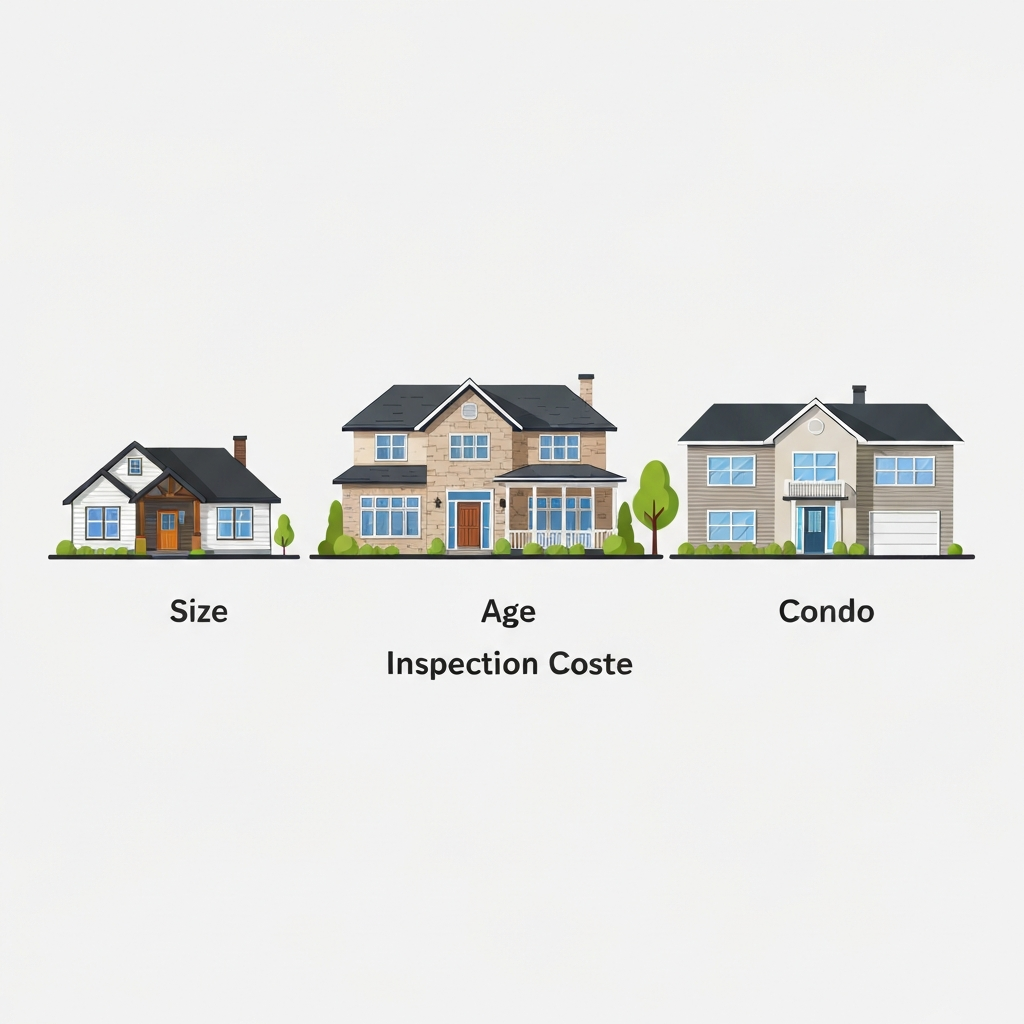
Several variables contribute to the final price tag of a home inspection. Understanding these will help you anticipate costs and avoid surprises during your home-buying journey in 2026.
Square Footage of the Property
Perhaps the most straightforward factor, the larger the home, the more time and effort a home inspector will need to dedicate to a comprehensive examination. A 1,500-square-foot bungalow will naturally cost less to inspect than a 4,000-square-foot estate. Inspectors often have tiered pricing based on square footage, with rates increasing incrementally for larger homes. For instance, a basic inspection for a smaller home might start at the lower end of our $300-$600 average, while a sprawling property could push the cost towards $700 or more.
Age and Condition of the Home
Older homes, while often charming, tend to present more potential issues due to wear and tear, outdated systems, and past renovations that may not have met current building codes. An inspector will spend more time assessing older plumbing, electrical systems, roofing, and structural components, which can increase the inspection fee. Conversely, a newer construction home might have a slightly lower inspection cost, assuming fewer complex issues are anticipated. However, even new homes can have defects, so age is not the sole determinant of complexity.
Type of Property
The type of property also plays a role. A condominium inspection might be less expensive than a single-family home inspection because the inspector typically focuses on the interior living space and the systems within that unit, with less emphasis on exterior structures like roofing or foundations that are often managed by a homeowners’ association (HOA). Townhouses can fall somewhere in between. Multi-unit properties or commercial buildings will command higher inspection fees due to their complexity and scale.
Location and Accessibility
While we are focusing on Tampa, specific neighborhoods within the Tampa Bay area might have slightly different pricing due to factors like travel time for the inspector or the general cost of doing business in that locale. Additionally, if a property is unusually difficult to access – for example, a home with steep terrain, limited parking, or requiring significant travel off the beaten path – an inspector might factor this into their pricing.
Scope of the Inspection and Additional Services
A standard home inspection covers the major systems and components of a house: HVAC, plumbing, electrical, roof, foundation, attic, and interior/exterior. However, buyers often opt for additional services, which will increase the overall cost. These can include:
- Mold Inspection: Tampa’s humid climate makes mold a common concern. A specialized mold inspection can cost an additional $200-$500.
- Termite Inspection (WDO – Wood-Destroying Organism Inspection): This is often a requirement for mortgage lenders and is critical in Florida. It typically costs between $75 and $150 when added to a standard inspection.
- Pool/Spa Inspection: If the property has a pool or spa, inspecting these systems adds complexity and cost, usually an extra $100-$200.
- Outbuilding Inspection: Sheds, detached garages, or workshops may require separate inspection fees.
- Radon Testing: Radon is a radioactive gas that can seep into homes. Testing for it is recommended and can add $100-$250 to the inspection cost.
- Sewer Scope Inspection: This involves using a camera to inspect the sewer line for blockages or damage, costing around $300-$500.
The more of these ancillary services you request, the higher your total inspection bill will be. It’s essential to discuss your needs with potential inspectors to get a clear understanding of the total cost for all desired services.
Inspector’s Experience and Credentials
Highly experienced and reputable home inspectors, particularly those with specialized certifications or a long track record of providing detailed reports, may charge more for their services. This is often a worthwhile investment, as a more thorough and experienced inspector can identify issues that a less experienced one might miss, potentially saving you thousands in future repairs. Look for inspectors who are members of professional organizations like the American Society of Home Inspectors (ASHI) or the International Association of Certified Home Inspectors (InterNACHI).
Report Format and Delivery
While less common as a primary cost driver, some inspectors might offer different levels of reporting, with more detailed, visually enhanced reports potentially carrying a slightly higher fee. The speed of report delivery can also sometimes influence cost, with rush reports potentially incurring an additional charge.
Understanding the Value of a Home Inspection
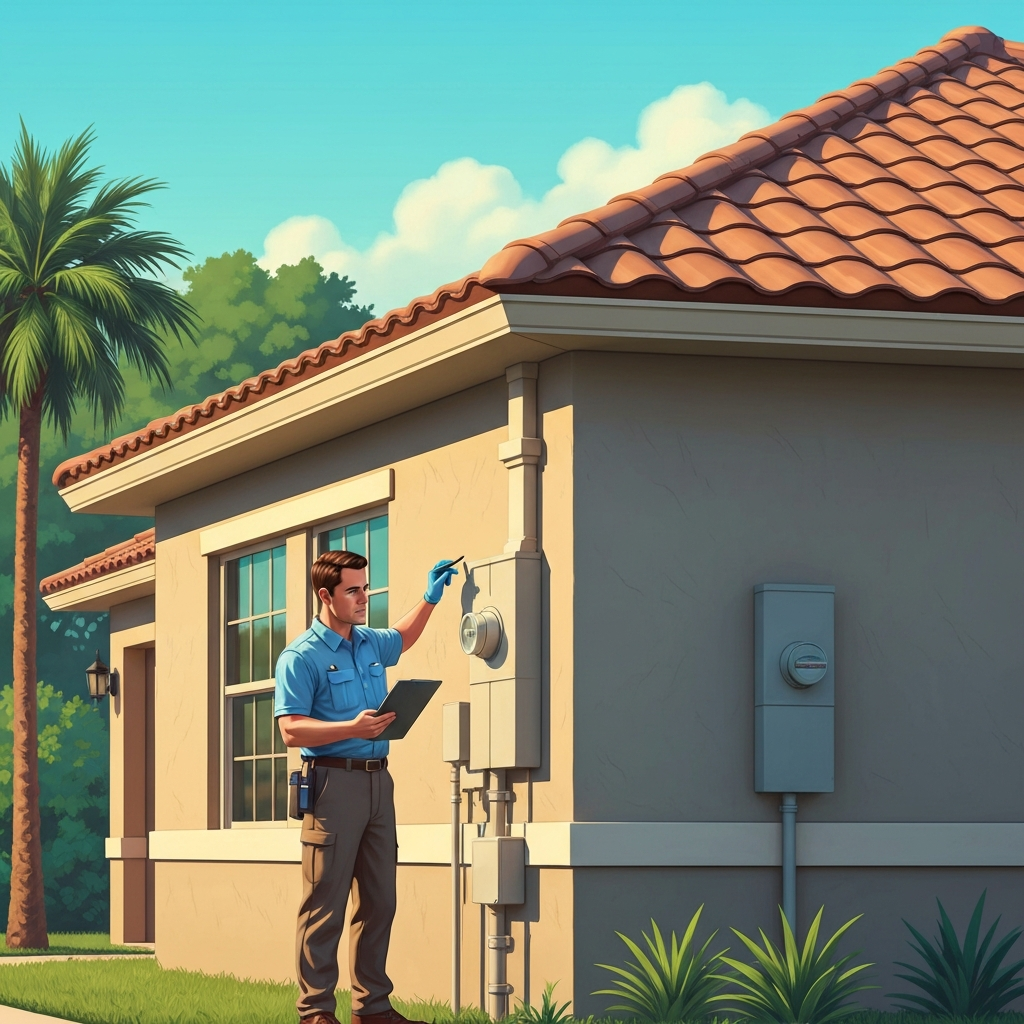
The cost of a home inspection, while an expense, should be viewed as an investment rather than a mere fee. In 2026, with the real estate market constantly evolving, a thorough inspection provides invaluable insights that can protect your financial well-being.
Identifying Potential Problems
A home inspection is your opportunity to uncover any hidden defects or potential issues with the property’s structure, systems, and components. This could range from minor cosmetic flaws to major structural problems, faulty electrical wiring, plumbing leaks, or HVAC system failures. Catching these issues before you close allows you to:
- Renegotiate the Purchase Price: If significant problems are found, you can use the inspection report as leverage to ask the seller to lower the price to account for the necessary repairs.
- Request Seller Repairs: You can ask the seller to fix specific issues before closing.
- Walk Away from the Deal: In severe cases, the inspection might reveal deal-breaking problems, allowing you to withdraw from the purchase and recover your earnest money deposit without further financial loss.
Ensuring Safety and Health
Beyond financial considerations, a home inspection is crucial for ensuring the safety and health of your household. Inspectors look for potential hazards such as:
- Electrical hazards: Exposed wiring, overloaded circuits, or outdated electrical panels.
- Plumbing issues: Leaks, water damage, or improper drainage that could lead to mold growth.
- Structural integrity: Foundation cracks, sagging floors, or roof issues that could compromise the building’s stability.
- Presence of mold or mildew: Especially important in humid climates like Tampa.
- Faulty heating and cooling systems: Affecting indoor air quality and comfort.
Building Confidence in Your Investment
Knowing the condition of the home you are buying provides peace of mind. A detailed inspection report equips you with a clear understanding of what you are purchasing, allowing you to budget for future maintenance and potential repairs. This transparency is invaluable when making such a significant financial commitment.
Meeting Lender Requirements
Many mortgage lenders require a home inspection as part of the loan approval process, particularly if a Wood-Destroying Organism (WDO) inspection is included. This ensures the property is in sound condition and a good collateral for their investment.
Choosing the Right Home Inspector in Tampa
Selecting a qualified and reputable home inspector is as important as understanding the costs. Here are key considerations:
Licensing and Certification
In Florida, home inspectors are not universally licensed by the state in the same way electricians or plumbers are. However, many inspectors voluntarily seek certifications from national organizations like ASHI or InterNACHI. These certifications often require adherence to a strict code of ethics and continuing education, indicating a commitment to professionalism. Always ask about their credentials and any professional affiliations.
Experience and Specializations
Look for inspectors with a solid track record, especially those experienced with properties similar to the one you are considering (e.g., older homes, waterfront properties, specific construction types). Some inspectors may have specialized knowledge in areas like mold or structural engineering.
Insurance
Ensure the inspector carries Errors & Omissions (E&O) insurance and general liability insurance. This protects you in the unlikely event of negligence or damage during the inspection.
Reputation and Reviews
Check online reviews, ask for references, and consult with your real estate agent for recommendations. A good reputation is often a sign of a reliable and thorough inspector.
Report Quality
Ask to see a sample inspection report. A good report is detailed, easy to understand, includes clear photos, and provides actionable recommendations. It should clearly outline the condition of all inspected systems and components, highlighting both positive and negative findings.
Communication Style
During the inspection, the inspector should be willing to answer your questions and explain their findings clearly. A good inspector will not only identify problems but also explain their potential implications and suggest next steps.
Budgeting for Home Inspection Costs in Tampa for 2026
When budgeting for your home purchase in Tampa, allocate a specific amount for the inspection process. As a general rule, set aside between $400 and $700 to cover a standard inspection and potentially one or two common additional services like a WDO inspection or mold screening.
- For a typical single-family home (1,500-2,500 sq ft): Budget $350 – $550 for the standard inspection.
- Add for WDO Inspection: $75 – $150
- Add for Mold Inspection: $200 – $500
- Add for Pool/Spa: $100 – $200
- Add for Radon Testing: $100 – $250
If you are looking at a larger or older home, or if you anticipate needing multiple additional services, increase your budget accordingly. It’s always better to overestimate slightly than to be caught short.
Example Budget Scenario for a Tampa Home in 2026:
- Property: 2,200 sq ft single-family home, 20 years old.
- Standard Inspection: $450
- WDO Inspection: $100
- Mold Screening (visual assessment): $100 (a full lab test would be more)
- Total Estimated Cost: $650
Remember that these costs are paid directly by the buyer, typically at the time of the inspection or shortly thereafter. They are separate from closing costs, though they are an essential part of the overall home-buying expenditure.
What to Expect During the Home Inspection
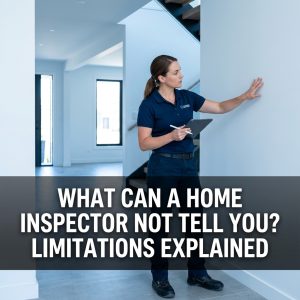
The home inspection itself is a non-invasive visual examination of the home’s readily accessible areas. The inspector will typically spend 2-4 hours on-site, depending on the size and condition of the home. They will systematically examine:
Exterior
- Foundation: Cracks, settling, water intrusion.
- Grading and Drainage: Ensuring water flows away from the foundation.
- Walls: Siding, trim, windows, doors, flashing.
- Roof: Shingles, flashing, gutters, downspouts, chimneys.
- Decks, Porches, Patios: Structural integrity and safety.
Interior
- Attic: Insulation, ventilation, signs of leaks or pests.
- Basement/Crawl Space: Foundation, moisture, pests, structural issues.
- Plumbing System: Visible pipes, faucets, sinks, toilets, water heater, drainage.
- Electrical System: Service panel, outlets, switches, visible wiring, grounding.
- Heating, Ventilation, and Air Conditioning (HVAC): Furnace, air conditioner, ductwork, thermostat, filter.
- Interior Walls, Ceilings, Floors: Signs of water damage, cracks, or other issues.
- Windows and Doors: Operation, seals, and condition.
Other Systems
- Appliances: Built-in appliances are typically included.
- Fireplaces and Chimneys: Functionality and safety.
The inspector will document their findings in a written report, often accompanied by photographs. It is highly recommended that you attend the inspection, or at least the final portion of it. This allows you to ask questions directly, see potential issues firsthand, and gain a deeper understanding of the home’s condition.
Navigating the Post-Inspection Phase
Once you receive the inspection report, you’ll need to review it carefully. Discuss any concerns with your real estate agent. Based on the findings, you will have several options:
- Proceed with the Purchase: If the inspection reveals only minor, easily repairable issues, or no significant problems, you may decide to move forward with the sale as planned.
- Request Repairs: For issues that are important to you, you can present a “repair request” to the seller, asking them to fix specific items before closing.
- Request a Credit: Alternatively, you might ask the seller for a credit at closing to cover the cost of repairs you will undertake yourself after moving in.
- Renegotiate the Price: If major, unexpected expenses are uncovered, you can attempt to renegotiate the purchase price to reflect the cost of these repairs.
- Withdraw from the Contract: If the inspection reveals significant structural, safety, or major system problems that are unacceptable to you, you can exercise your option to terminate the purchase agreement (provided your contract includes an inspection contingency clause) and typically receive your earnest money deposit back.
The negotiation phase after an inspection requires careful consideration and open communication with your agent and the seller.
Conclusion
In the dynamic Tampa real estate market of 2026, understanding the nuances of home inspection cost in Tampa is paramount for any prospective buyer. While the average cost might fall between $300 and $600, this figure is influenced by numerous factors, including property size, age, type, and the inclusion of additional specialized services. Investing in a thorough inspection, even if it means a higher upfront cost, is a critical step in safeguarding your investment, ensuring your safety, and providing peace of mind. By carefully selecting a qualified inspector and budgeting appropriately, you can navigate the inspection process with confidence, making an informed decision that sets the foundation for years of comfortable homeownership in the beautiful Tampa Bay area.
FAQ
What is the average cost of a home inspection in Tampa?
The average cost for a standard home inspection in Tampa for a typical single-family home in 2026 ranges from approximately $300 to $600. However, this price can increase based on factors such as the home’s square footage, age, complexity, and the inclusion of additional services like termite inspections, mold testing, or pool inspections.
Are additional services like termite or mold inspections included in the standard home inspection cost?
No, typically standard home inspections do not include specialized services like termite (Wood-Destroying Organism or WDO) inspections or comprehensive mold testing. These are usually add-on services that come with an additional fee, ranging from $75 to $150 for a WDO inspection and $200 to $500 for a more thorough mold inspection.
Should I attend my home inspection?
Yes, it is highly recommended that you attend your home inspection, or at least the final portion of it. This allows you to see potential issues firsthand, ask the inspector questions directly, and gain a better understanding of the home’s condition and any immediate concerns.
How does the size of the house affect the home inspection cost in Tampa?
The square footage of a home is a primary factor influencing inspection costs. Larger homes require more time and effort to inspect thoroughly, so inspectors generally charge more for larger properties. Pricing structures often have tiers based on square footage.
What happens if the home inspection reveals major problems?
If significant issues are discovered during the inspection, you typically have several options as outlined in your purchase agreement‘s contingency clause. You can negotiate with the seller to make repairs, request a credit towards closing costs to cover future repairs, ask for a reduction in the purchase price, or, if the problems are severe and unacceptable, you may choose to withdraw from the purchase agreement.
How do I choose a reputable home inspector in Tampa?
When selecting a home inspector in Tampa, look for those who are certified by national organizations like ASHI or InterNACHI, have good reviews and references, carry adequate insurance (E&O and general liability), and can provide clear, detailed sample reports. It’s also beneficial to find an inspector experienced with properties similar to the one you are interested in.