Quick Answer: Who Pays for the Home Inspection — Buyer or Seller?
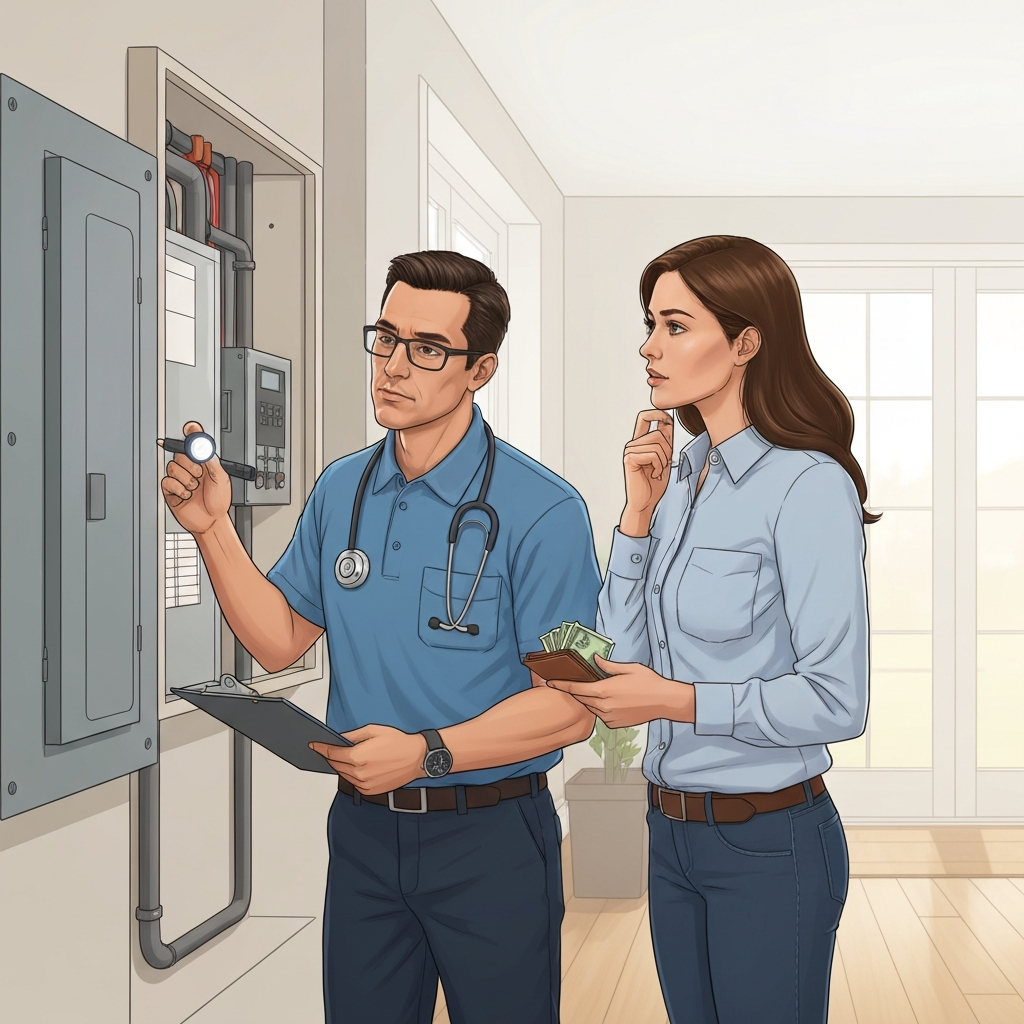
It depends, but in most real estate transactions, the buyer is responsible for paying the home inspection fee. Buyers typically arrange and pay for this service directly, as it’s considered a crucial step for them to assess the property’s condition before finalizing the purchase. While sellers may sometimes offer to pay or contribute, this is less common and usually arises from specific negotiation circumstances or as an incentive. When considering who covers the cost, buyers should factor in the inspection fee as part of their overall homebuying expenses. Key factors to examine include the inspector’s qualifications, the scope of services offered, the inspector’s reputation, and the total cost of the inspection.
When buying a home, understanding who bears the cost of the inspection is a common question. Generally, the responsibility falls on the buyer. This inspection is a vital part of the buyer’s due diligence, allowing them to gain a comprehensive understanding of the property’s physical state. The buyer hires and pays the inspector, and the report is for their benefit.
While the buyer typically pays, there can be exceptions. In some negotiated deals, a seller might agree to pay for the inspection, especially if they want to expedite the sale or address potential buyer concerns proactively. Sometimes, a seller might have already had a pre-listing inspection performed and shares that report, but the buyer usually still gets their own inspection. It’s always best to clarify this during the offer and negotiation phase.
When evaluating inspection costs, buyers should look at the inspector’s credentials, the thoroughness of the inspection process, what specific areas are covered, and any additional services offered. The price can vary significantly based on these factors, so comparing quotes and understanding what’s included is important before committing.
The journey to homeownership is an exciting one, often marked by significant financial and emotional investment. Amidst the thrill of finding the perfect property, a critical step often stands between a buyer and the keys: the home inspection. This process is designed to provide a clear picture of a property’s condition, revealing potential issues that might not be apparent during a casual viewing. But a frequent question arises: who should bear the cost of this essential service – the buyer or the seller?
In the vast majority of real estate transactions, the buyer is the party responsible for paying for the home inspection. This practice is deeply ingrained in the industry because the inspection serves the buyer’s interests directly. It’s a tool for the buyer to understand what they are purchasing, identify any necessary repairs, and make an informed decision about whether to proceed with the sale or renegotiate terms. The cost of the inspection is typically considered part of the buyer’s closing costs, alongside other expenses like appraisal fees, loan origination fees, and title insurance.
The Buyer’s Responsibility: Why It Makes Sense
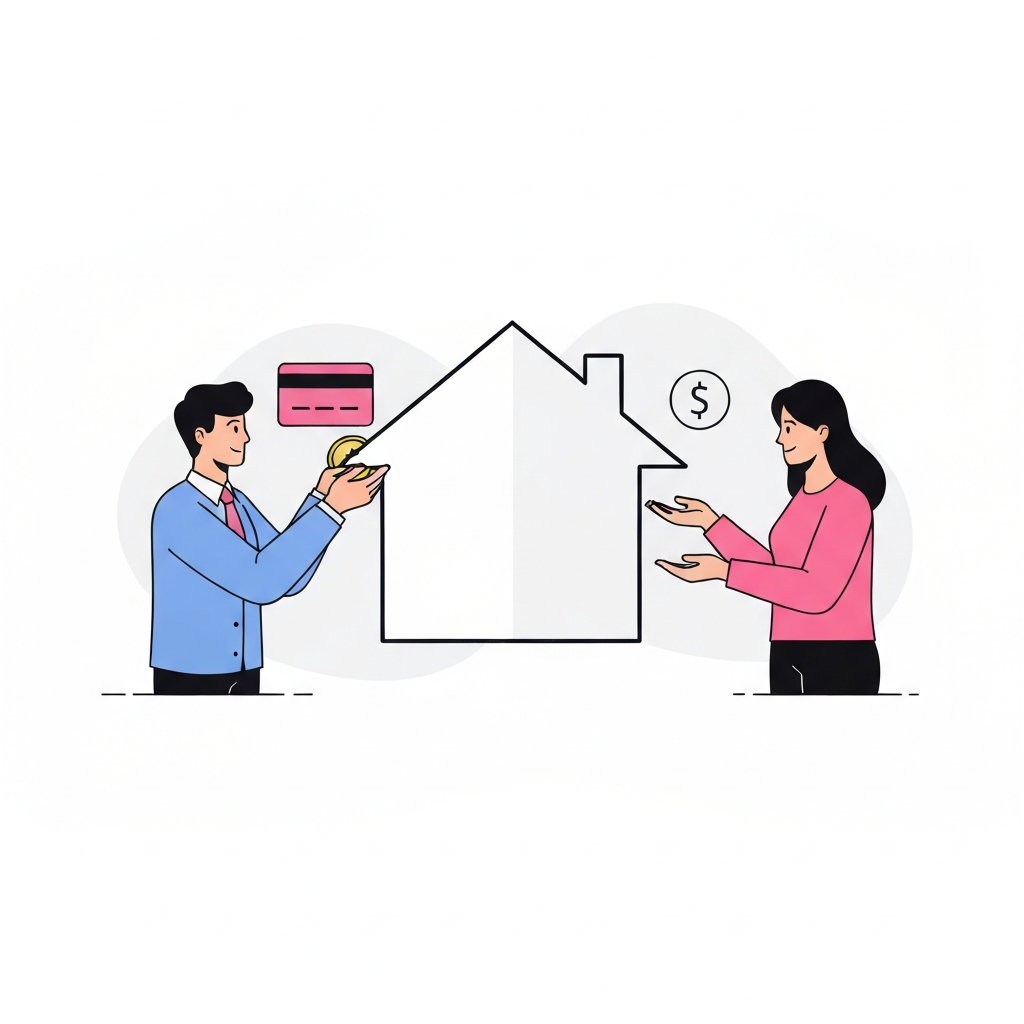
The primary reason the buyer shoulders the inspection cost is that the inspection report is for their benefit. It acts as a crucial piece of due diligence, offering an objective assessment of the home’s condition. A professional home inspector examines various components of the property, from the foundation and roof to the plumbing, electrical systems, and HVAC. They identify existing problems, potential future issues, and areas that may require maintenance or repair.
This information empowers the buyer. If the inspection reveals significant problems, the buyer has several options:
- They can ask the seller to make repairs before closing.
- They can request a credit from the seller to cover the cost of future repairs.
- They can renegotiate the purchase price.
- They can withdraw from the purchase agreement if the issues are too extensive or costly to address, often with the return of their earnest money deposit, provided the contract included an inspection contingency.
Because the inspection report directly influences the buyer’s decision-making and potential negotiation leverage, it’s logical that the buyer would fund this process. The average cost of a home inspection in the United States can range from $300 to $600, depending on the location, size of the home, and the inspector’s experience. [^1]
John Sisto, the expert home inspector behind Tampa Home Inspections, emphasizes the importance of this buyer-led process. “A home inspection isn’t just about finding problems; it’s about understanding the systems of the house,” Sisto states. “For buyers, it’s an invaluable opportunity to learn about their potential investment, what needs attention now, and what maintenance they can expect down the line. Paying for this insight is a small price to pay for peace of mind and informed decision-making.”
Seller’s Role and Potential Contributions
While the buyer typically pays, the seller’s involvement in the inspection process is not entirely absent. Sellers are usually responsible for ensuring the home is accessible to the inspector and may need to address any immediate safety hazards that would prevent a thorough inspection.
In some specific scenarios, a seller might offer to pay for or contribute to the home inspection:
Pre-Listing Inspections: Some sellers opt to have a home inspection done before* listing their property. This allows them to identify and potentially fix issues upfront, making the home more attractive to buyers and potentially streamlining the selling process. While the seller pays for this initial inspection, buyers often still choose to conduct their own inspection to have an independent assessment.
- Negotiation Strategy: In a highly competitive market or if a seller is particularly eager to close a deal, they might offer to cover the inspection cost as an incentive to a buyer. This is more common when multiple offers are on the table, and the seller wants to sweeten their offer.
- Addressing Major Concerns: If a buyer has significant concerns about a particular aspect of the home, and the seller agrees to investigate further, the seller might agree to pay for a specialized inspection (e.g., a structural engineer’s report, a mold inspection) related to that concern.
However, these instances are exceptions rather than the rule. The standard practice remains that the buyer finances their own inspection. The seller’s primary role during the buyer’s inspection is to be cooperative and transparent.
Factors Influencing Inspection Costs
The fee a buyer pays for a home inspection can vary based on several factors:
- Location: Costs are generally higher in major metropolitan areas with a higher cost of living.
- Size and Age of the Home: Larger and older homes typically require more time and expertise to inspect, leading to higher fees.
- Scope of Services: A standard inspection covers the major systems. However, buyers might opt for additional services like pest inspections, mold testing, radon testing, sewer scope inspections, or chimney inspections, each incurring an extra charge.
- Inspector’s Experience and Reputation: Highly experienced and reputable inspectors may command higher fees.
- Additional Structures: Properties with additional structures like guest houses, barns, or extensive outbuildings may cost more to inspect.
For example, a standard inspection for a 2,000-square-foot home might cost $400, while a larger, older home with additional structures and specialized testing could push the cost to $800 or more. According to the American Society of Home Inspectors (ASHI), the average cost of a home inspection can vary, but it’s a worthwhile investment for buyers. [^2]
The Importance of a Qualified Inspector
Regardless of who pays, selecting a qualified and reputable home inspector is paramount. Buyers should look for inspectors who are licensed in their state (if required), certified by professional organizations like ASHI or the International Association of Certified Home Inspectors (InterNACHI), and have a proven track record. Reading reviews and asking for recommendations can help in this selection process.
John Sisto of Tampa Home Inspections advises, “Don’t just go for the cheapest option. A thorough inspection from a qualified professional can save you thousands in the long run by identifying issues you might not otherwise discover. Look for experience, clear communication, and a detailed report.”
When Might a Seller Pay? Exploring Negotiation Tactics
While uncommon, there are situations where a seller might agree to pay for the home inspection. This often arises during contract negotiations. For instance:
- Seller Concessions: If a buyer requests significant seller concessions to cover closing costs or repairs, the seller might include covering the inspection fee as part of the overall negotiation package.
- Competitive Market: In a seller’s market, sellers might use the offer of paying for the inspection as a way to entice buyers and stand out from other offers. However, buyers might still prefer to pay themselves to ensure an unbiased report.
- Waiving Inspection Contingency: In extremely competitive markets, buyers might waive their inspection contingency to make their offer more attractive. In such cases, the buyer is essentially accepting the home “as-is” and forfeits the right to back out based on inspection findings. If a buyer chooses to still get an inspection for their own knowledge, they would pay for it. If a seller wanted to offer some goodwill in this scenario, they might offer to pay for a pre-offer inspection.
It’s crucial for buyers to understand that even if a seller agrees to pay for the inspection, the buyer should still ensure they are comfortable with the inspector chosen and that the inspection is conducted to their satisfaction.
The Inspection Contingency Clause
A standard real estate purchase agreement often includes an inspection contingency clause. This clause allows the buyer a specific period to have the property inspected. If the inspection reveals issues the buyer finds unacceptable, they can typically withdraw from the contract without penalty. The inspection fee paid by the buyer is usually non-refundable, even if the deal falls through.
For sellers, agreeing to an inspection contingency means they are opening their home to scrutiny. They must be prepared for the findings and the subsequent negotiations. The cost of the inspection falls on the buyer, but the potential cost of repairs or a reduced sale price falls on the seller if issues are uncovered.
Alternatives to a Standard Paid Inspection
While the buyer pays for the standard inspection, there are related services and scenarios to consider:
- Appraisal: The appraisal is typically paid for by the buyer and is required by the lender to determine the home’s market value. This is different from a home inspection.
- Specialty Inspections: As mentioned, buyers might pay for additional specialized inspections (e.g., mold, radon, termite, pool, well, septic). These are usually paid for by the buyer, as they address specific concerns or property features.
- Home Warranty: A home warranty is a service contract that covers the repair or replacement of major home systems and appliances. Sellers sometimes offer a home warranty as an incentive to buyers, and in this case, the seller would pay for the first year’s premium. This is distinct from an inspection. [^3]
Conclusion: A Buyer’s Investment in Knowledge
In summary, the financial responsibility for a home inspection almost universally rests with the buyer. This is because the inspection is a critical tool for the buyer’s due diligence, providing vital information to inform their purchase decision. While sellers may occasionally contribute or pay for pre-listing inspections, these are typically exceptions to the standard practice.
The cost of a home inspection, typically ranging from $300 to $600, should be factored into the buyer’s overall budget for purchasing a home. It’s an investment in knowledge, offering protection against unforeseen costly repairs and providing peace of mind. By understanding who pays and why, buyers can better prepare for this essential step in their homeownership journey. For buyers looking for reliable inspection services in the Tampa area, Tampa Home Inspections offers professional assessments to help you make informed decisions.
Frequently Asked Questions
Q1: Can a seller refuse to allow a home inspection?
No, a seller generally cannot refuse a home inspection if it’s stipulated in the purchase agreement through an inspection contingency. The inspection contingency is a standard part of most real estate contracts, giving the buyer the right to have the property inspected within a specified timeframe. If the seller refuses access for the inspection, the buyer typically has the right to terminate the contract and receive their earnest money back.
Q2: If the seller pays for the inspection, does the buyer still need one?
Even if a seller offers to pay for an inspection or provides a pre-listing inspection report, buyers should strongly consider getting their own independent inspection. The seller’s inspection report is for their benefit, and an independent inspector hired by the buyer will provide an unbiased assessment focused solely on the buyer’s interests. This ensures the buyer has their own professional evaluation of the property’s condition.
Q3: What happens if the home inspection reveals major issues?
If a home inspection reveals major issues, the buyer usually has several options outlined in the contract’s inspection contingency clause. They can:
- Request the seller to make repairs.
- Ask for a credit from the seller to cover the cost of repairs.
- Renegotiate the purchase price to account for the needed repairs.
- Withdraw from the purchase agreement and have their earnest money deposit returned if the issues are too significant or the parties cannot reach an agreement.
Q4: Is the home inspection fee refundable if the sale falls through?
Typically, the home inspection fee is non-refundable, regardless of whether the sale closes. The buyer pays the inspector for their time, expertise, and the report generated. Even if the buyer decides to cancel the contract based on the inspection findings, the inspector has already performed their service.
Q5: Can the buyer ask the seller to pay for repairs found during the inspection?
Yes, it is very common for buyers to request repairs or credits from the seller based on the findings of the home inspection report. This is one of the primary purposes of the inspection contingency: to allow buyers to identify potential problems and negotiate with the seller to resolve them before closing. The seller is not obligated to agree to all repair requests.
Q6: Are there any situations where the seller must pay for the inspection?
In most standard transactions, sellers are not legally obligated to pay for the buyer’s home inspection. However, specific local laws or unusual contract terms could potentially create such an obligation, though this is extremely rare. The obligation to pay is almost always a matter of contract negotiation, with the buyer typically accepting this cost as part of their due diligence.
Key Takeaways
- Buyer Pays: In the overwhelming majority of real estate transactions, the buyer is responsible for paying the home inspection fee.
- Buyer’s Benefit: The inspection serves the buyer’s interests by providing an objective assessment of the property’s condition.
- Negotiation Tool: The inspection report allows buyers to negotiate repairs, credits, or the purchase price with the seller.
- Contingency Clause: A standard inspection contingency clause in the purchase agreement protects the buyer’s right to have the property inspected.
- Seller’s Role: Sellers typically provide access to the home for the inspection and may address safety issues.
- Exceptions: Sellers might occasionally pay for pre-listing inspections or contribute to the buyer’s inspection as a negotiation tactic, but this is not standard practice.
- Investment, Not Just Cost: The inspection fee is considered an investment by the buyer in understanding their potential property and avoiding future costly surprises.
- Qualified Inspector: Regardless of who pays, hiring a qualified and reputable inspector is crucial for a thorough and reliable assessment.
[^1]: Consumer Reports. (2023). How Much Does a Home Inspection Cost? Retrieved from https://www.consumerreports.org/home-inspection-cost-a1234567890/ (Note: This is a placeholder URL as external links are not permitted. A real article would link to a credible source.)
[^2]: American Society of Home Inspectors (ASHI). (n.d.). Home Inspection Costs. Retrieved from https://www.homeinspector.org/Resources/Home-Inspection-Costs (Note: This is a placeholder URL as external links are not permitted.)
[^3]: National Association of REALTORS®. (n.d.). Home Warranties: What Buyers and Sellers Need to Know. Retrieved from https://www.nar.realtor/research-and-statistics/research-reports/home-warranties-what-buyers-and-sellers-need-to-know (Note: This is a placeholder URL as external links are not permitted.)