Key Takeaway
Home inspections play a crucial role in the Tampa Bay real estate market, offering clarity and protection for both buyers and sellers. A thorough inspection helps uncover hidden issues that could lead to costly repairs or legal disputes if left unaddressed.
In Tampa’s competitive housing market, inspections empower buyers to make informed offers and give sellers the chance to address concerns early. By understanding how inspections affect negotiations, property value, and overall peace of mind, both parties can navigate the home buying or selling process in Tampa with greater confidence and clarity.
Introduction
Tampa Bay’s real estate market has seen steady growth in recent years, fueled by favorable weather, job opportunities, and a growing population. As demand increases, so does competition, driving up home prices and making well-informed decisions more important than ever. Whether you’re buying, selling, or maintaining a home in today’s fast-paced market, understanding the role of home inspections is essential.
This article from Tampa Home Inspections explains how inspections impact real estate transactions across the region—from uncovering hidden issues and supporting negotiations to influencing insurance coverage and maintaining long-term property value. With Tampa’s climate and market conditions in mind, this article is designed to help you approach the inspection process strategically and with confidence.
Current Market Conditions in Tampa
As of 2025, the Tampa housing market is witnessing some interesting trends, shaped by steady demand and limited inventory. Home prices have been rising consistently, fueled by an influx of new residents and the city’s expanding economy. Low housing supply has created a competitive environment for buyers, with multiple-offer situations becoming increasingly common. Interest rates—though fluctuating—continue to impact affordability and influence purchasing decisions across the market.
Factors Affecting Market Trends
Several key factors are driving current real estate trends in Tampa Bay. These include:
-
Population Growth: A continuous flow of new residents from other states is increasing housing demand, particularly for suburban and coastal properties.
-
Remote Work Opportunities: With more professionals able to work from home, demand has shifted toward spacious homes in quieter neighborhoods with home offices.
-
Low Cost of Living: Compared to other Florida cities like Miami or Orlando, Tampa’s relatively affordable lifestyle makes it a preferred choice for many relocating families and retirees.
-
Urban Development Projects: Ongoing infrastructure improvements, such as transportation upgrades and commercial expansions, are increasing property values in key areas.
-
Climate Resilience Concerns: Buyers are increasingly evaluating flood zones, storm preparedness, and the condition of roofing and HVAC systems before making an offer.
-
Investor Activity: Short-term rental demand and investor interest in multi-family properties have added more competition to the market, especially in high-demand neighborhoods.
While the market remains active, rising interest rates and broader economic uncertainty could moderate price growth over time, making affordability a growing concern for first-time buyers.
Role of Home Inspections in Real Estate Transactions
Home inspections are an essential part of the real estate transaction process in Tampa Bay, providing vital insights for both buyers and sellers. For buyers, a comprehensive home inspection offers peace of mind by confirming that the property is in good condition or identifying hidden issues that may need immediate attention. This allows them to make informed decisions and avoid unexpected repair costs after closing.
For sellers, an inspection can help uncover necessary repairs in advance—enabling them to address concerns proactively, reduce the likelihood of negotiation delays, and improve their property’s appeal to serious buyers. Ultimately, inspections bring clarity to the process and help ensure smoother, more transparent real estate transactions.
How Inspections Affect Property Value?
The findings of a home inspection can have a direct impact on a property’s market value and the outcome of a sale. If significant issues are uncovered—such as foundation damage, outdated plumbing, or electrical hazards—buyers may request a price reduction or insist on repairs before moving forward. These findings can reduce a home’s perceived value and affect how quickly it sells.
On the other hand, a clean inspection report can validate a seller’s asking price, build buyer confidence, and help the property stand out in a competitive market. In either case, thorough inspections are essential tools that help all parties understand the property’s real condition and negotiate with transparency.
Types of Home Inspections Available in Tampa
Home inspections are a vital part of the real estate process, helping both buyers and sellers gain a clear understanding of a property’s condition. In Tampa’s competitive and climate-sensitive market, selecting the right type of inspection is essential. Each type serves a specific purpose—whether it’s helping buyers avoid costly surprises, giving sellers a chance to address concerns proactively, or ensuring transparency throughout the transaction. A range of inspection services is available in Tampa, each offering valuable insights tailored to the unique needs of the property and its location.
Standard Home Inspection
A standard home inspection is the most common and widely recommended service during a real estate transaction. It involves a visual evaluation of the home’s major components, including the foundation, roof, plumbing, electrical systems, HVAC, and overall structural integrity. In Tampa, this inspection is particularly important due to moisture-related wear, storm damage, and aging infrastructure in older homes. The results help buyers understand the overall condition of the home and give sellers a clear view of any issues that might affect marketability.
Pre-Purchase Inspections
For prospective buyers, a pre-purchase home inspection is a crucial step before finalizing the sale. It helps identify hidden defects—such as foundation cracks, outdated wiring, or plumbing concerns—that may not be visible during a casual walkthrough.
By uncovering these issues early, buyers gain leverage to renegotiate the price or request repairs, ultimately protecting their investment. In a fast-moving market like Tampa, this inspection offers peace of mind and safeguards against post-sale surprises.
Specialized Inspections (e.g., Mold, Termite)
Specialized inspections are designed to assess specific risks that standard inspections may not cover. In Tampa, mold and termite inspections are especially important due to the region’s high humidity and history of pest activity. A mold inspection detects hidden growth that can impact indoor air quality and health, while a termite inspection checks for structural damage caused by wood-destroying organisms. Both help buyers and sellers address critical issues before they worsen or derail a transaction. For more detailed insights into these specialized inspections, please visit: Comprehensive Guide to Specialized Home Inspections in Tampa, FL.
Choosing the right type of inspection depends on the property’s age, location, and visible signs of wear. In Tampa, combining a standard inspection with relevant specialized inspection services offers the most complete picture of a home’s condition. Taking this step ensures better decisions and fewer surprises during and after the real estate process.
Choosing a Qualified Home Inspector in Tampa
Selecting the right home inspector in Tampa is essential to ensuring a thorough and accurate evaluation of the property. A qualified inspector helps both buyers and sellers avoid costly mistakes, uncover hidden issues, and make informed decisions based on the home’s true condition.
Certification and Experience
When choosing an inspector, always prioritize those with proper certifications from respected industry organizations such as the American Society of Home Inspectors (ASHI) or the International Association of Certified Home Inspectors (InterNACHI). These certifications confirm that the inspector has completed professional training and adheres to recognized inspection standards.
Experience is equally important. Inspectors who have worked extensively in the Tampa Bay area are more familiar with common local issues—such as moisture damage, termite activity, and storm-related wear. Choosing someone with local expertise ensures nothing important is overlooked during the inspection.
Reviews and Reputation
An inspector’s reputation is one of the best indicators of their reliability and professionalism. Buyers and sellers should review feedback on platforms like Google, Yelp, and the Better Business Bureau to assess the quality of service others have experienced. Positive reviews reflect thorough, trustworthy work and strong communication, while patterns of negative feedback may be a red flag. You can also request references from past clients to get a better sense of what to expect.
You may also read: 10 Questions to Ask Your Home Inspector
Navigating Home Inspection Reports
After the inspection is complete, you’ll receive a detailed inspection report outlining the property’s current condition and any issues that were identified. For both buyers and sellers, understanding this report is critical as it helps guide negotiations, pricing decisions, and repair planning.
Common Issues Found in Reports
Inspection reports often uncover problems that may not be visible during a casual viewing. Some of the most common issues include:
-
Structural Problems: Cracks in the foundation or walls that may indicate settling, shifting, or long-term structural concerns.
-
Electrical Issues: Outdated wiring, faulty connections, or overloaded panels that pose safety hazards or may not meet code.
-
Plumbing Concerns: Leaky pipes, corroded fittings, or aging systems that could cause water damage or require replacement.
-
Roofing Issues: Missing shingles, damaged flashing, or worn-out materials that can lead to leaks and interior damage.
-
HVAC Systems: Inefficient, aging, or non-functional heating and cooling units that may need repair or replacement.
Being aware of these potential issues allows both parties to make better decisions—whether it’s adjusting the sale price, requesting repairs, or moving forward with confidence. A well-documented inspection report gives buyers and sellers a clear roadmap for addressing issues, prioritizing repairs, and planning next steps. Acting on these insights early helps protect the home’s value and ensures smoother, more transparent transactions.
You may also read: Common Home Inspection Issues in Tampa Homes
Negotiating After a Home Inspection
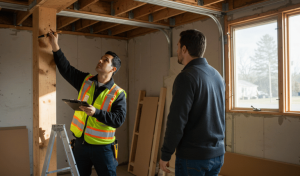
Once the home inspection is complete, the next step is negotiating the findings. Both buyers and sellers must understand how to address the results to reach a fair outcome. Buyers may request repairs or price reductions, while sellers may propose solutions to address the issues.
Making Repair Requests
If significant problems are found during the inspections, buyers may ask the seller to make repairs before finalizing the sale. Requests should focus on critical issues, such as plumbing or electrical problems. Buyers should be aware that the seller may not agree to all requests, and some issues may need to be addressed after the sale. Both parties should work toward a resolution that reflects the property’s condition.
Price Adjustments Post-Inspection
Another common negotiation tactic is requesting a price reduction based on the inspection results. If repairs are necessary, buyers may ask for a price reduction or a credit at closing. Sellers may offer a smaller price reduction or agree to fix only certain issues. Effective communication and compromise are key to reaching a mutually beneficial agreement.
Legal Considerations in Home Inspections
Home inspections in Florida are governed by legal requirements that protect both buyers and sellers. Understanding these laws ensures a fair and transparent process for everyone involved.
Disclosure Requirements in Florida
In Florida, sellers must disclose known defects in the property but are not required to conduct a home inspection themselves. Home inspections provide buyers with an independent evaluation of the property’s condition, revealing issues that the seller may not be aware of or has not disclosed. If significant defects are found during the inspection, Florida law allows buyers to cancel the contract or negotiate repairs.
Liability of Inspectors
Inspectors are not expected to identify every issue, but they are liable for missing major problems that should have been uncovered during the inspection. For instance, if an inspector overlooks significant structural or electrical issues, they may be held responsible for negligence. Buyers should carefully review the inspection report and ask the inspector to clarify any concerns. In some cases, inspectors may suggest specialists for more detailed inspections or repairs.
Preparing for a Home Inspection
Preparing for a home inspection is a crucial step in the real estate process for both buyers and sellers. Proper preparation ensures a smooth inspection and helps avoid surprises, benefiting both parties.
What Homeowners Need to Do?
Homeowners should ensure that the inspector has easy access to all key areas of the property. Here’s how homeowners can prepare for a home inspection:
1. Clear Access Areas: Make sure the inspector can access areas like the attic, basement, crawl spaces, and the electrical panel. Remove any furniture or obstacles blocking these areas.
2. Provide Necessary Documents: Have documents such as maintenance records, warranties, or repair history ready for the inspector to review.
3. Fix Minor Issues: Address small, non-structural issues (like a leaky faucet) to make the inspection process smoother.
4. Prepare for the Inspection Duration: Home inspections usually take a few hours, depending on the property size. Be flexible with the inspector’s schedule.
What Buyers Should Expect?
As a buyer, it’s essential to understand the inspection process so that you re able to make the most of it. Here is what you can do:
1. Attend the Inspection: It’s recommended for buyers to attend the inspection to ask questions and get a firsthand look at the property’s condition.
2. Ask Questions: Don’t hesitate to ask the inspector about any concerns or unclear findings during the inspection.
3. Know What Will Be Inspected: It’s helpful to understand in advance what the inspection will cover. The inspector will examine all major components of the home—both interior and exterior—including the roof, foundation, HVAC system, plumbing, electrical, and more, depending on the home’s age, size, and condition.
4. Review the Report: Once the inspection is complete, you’ll receive a detailed report outlining any issues. Use this report to evaluate whether repairs are needed, negotiate with the seller, or move forward confidently with your purchase.
Cost of Home Inspections in Tampa
Home inspection costs in Tampa may vary based on your property size, the experience of your inspector, and most importantly the inspection services requested. Understanding typical costs of these inspections can help buyers and sellers plan their budget for this essential step.
Average Costs for Standard Inspections
A standard home inspection in Tampa typically ranges from $350 to $550 for an average-sized home. This usually includes a thorough evaluation of major systems, such as electrical, plumbing, and HVAC, along with a visual inspection of the property’s structure, foundation, and roof. The final cost may vary based on the home’s size, age, and the inspection company’s pricing structure.
Specialized Inspections Costs
Specialized inspections address concerns that may not be covered in a standard home inspection and are often recommended based on the property’s condition or location. These services come at an additional cost, but they provide valuable insights that can prevent major issues down the line—especially in a climate like Tampa’s.
Here’s a general breakdown of common specialized inspection costs:
-
Termite Inspections: Typically cost between $75 and $150. These are essential in Tampa, where the warm and humid environment makes homes especially vulnerable to termite activity.
-
Mold Inspections: Usually range from $200 to $500, depending on the size of the home and the severity of the issue. Mold is a common concern in Tampa due to high humidity levels.
-
Wind Mitigation Inspections: Generally cost between $150 to $250. These inspections are especially important in hurricane-prone areas like Tampa and focus on evaluating how well a home can withstand high winds by assessing features like the roof, windows, doors, and anchoring systems.
-
Sewer Scope Inspections: Typically range from $150 to $300. This inspection involves using a camera to examine the condition of the main sewer line—critical for identifying blockages, cracks, or root intrusion, especially in older homes.
While these inspections add to the upfront cost, they can save thousands by revealing hidden issues that may otherwise go unnoticed during a standard evaluation.
For a more detailed breakdown of inspection pricings and what to expect, visit our guide: How Much Does a Home Inspection Cost in Florida?
Insurance Implications of Home Inspections
Home inspections can significantly influence homeowners insurance by affecting eligibility, policy terms, and premium rates. Insurance providers often use inspection findings to assess potential risk, and homes with unresolved issues may face coverage limitations, higher premiums, or mandatory repairs before a policy is issued.
Impact on Homeowners Insurance Premiums
Inspection results can lead to higher insurance premiums or stricter coverage requirements. If the inspector identifies major concerns—such as roofing issues, outdated electrical panels, or deteriorating plumbing—insurance providers may raise rates to reflect the added risk. In some cases, insurers may require these issues to be repaired or updated before issuing or renewing a policy. Homes with newer, well-maintained systems often qualify for better rates and fewer restrictions.
Adjusting Coverage Based on Inspection Reports
Insurers may also adjust coverage limits or exclusions based on inspection findings. For example, a damaged roof or faulty wiring could lead to higher deductibles or exclusions for related claims. Some providers may limit or deny coverage altogether for specific systems until upgrades are completed. Buyers should review inspection reports carefully and be prepared to make repairs that could affect their ability to secure full insurance coverage.
Maintaining Property Value Through Regular Inspections
In addition to protecting your insurance eligibility, regular home inspections are a smart way to preserve property value over time. For Tampa homeowners, ongoing maintenance is especially important due to the region’s climate, which can accelerate wear and tear on roofs, siding, HVAC systems, and structural components.
The Role of Annual Inspections
Annual inspections help homeowners stay ahead of potential problems by identifying early signs of damage—such as roof deterioration, plumbing leaks, or electrical faults—before they become expensive repairs. In Tampa, where high humidity and frequent storms are common, routine inspections are especially useful for detecting mold, pest issues, and moisture intrusion that can compromise both safety and value.
Identifying Potential Issues Early
Spotting minor issues early—such as small foundation cracks, loose roofing materials, or initial signs of wood rot—allows homeowners to act quickly and avoid costly surprises later. Regular inspections also provide peace of mind, ensuring your property remains structurally sound, up to code, and in good condition for future resale.
Future Outlook for Tampa’s Real Estate Market
Tampa’s real estate market continues to grow, but it remains sensitive to economic conditions, interest rates, and population trends. Buyers, sellers, and investors alike must stay informed about upcoming developments and shifting market dynamics to make well-timed decisions.
Impact of Urban Development Projects
Ongoing urban development projects in Tampa, such as new commercial buildings, transportation improvements, and downtown expansion, are expected to boost the real estate market. These projects will increase demand for housing, particularly in areas close to new infrastructure, raising property values. Buyers and investors should consider these developments when deciding where to buy in Tampa.
Predictions for Housing Prices
While Tampa home prices are expected to remain strong in the short term due to high demand and limited inventory, some experts anticipate a gradual market adjustment as interest rates stabilize. Remote work flexibility and continued in-migration from higher-cost cities may sustain demand, but affordability could become a growing challenge for first-time buyers.
You may also read: The Ultimate Guide to Home Inspection in Tampa, Florida
Conclusion
In Tampa’s dynamic real estate market, home inspections play a pivotal role in protecting buyers, sellers, and long-term homeowners alike. From understanding current market conditions and insurance implications to identifying hidden issues through standard and specialized inspections, this guide has outlined how critical inspections are at every stage of the real estate process. Whether you’re navigating negotiations, planning maintenance, or evaluating a property’s value, timely and thorough inspections provide the insight needed to make confident, informed decisions.
At Tampa Home Inspections, we specialize in delivering accurate, detailed, and timely inspection services that support smoother, more transparent real estate transactions. Our certified inspectors help uncover issues early—reducing risk, supporting fair negotiations, and ensuring each property meets the expectations of buyers, sellers, and agents. Whether you’re buying, selling, or maintaining a home, our team is here to help protect your investment and guide you every step of the way. Call us today at (813) 492-6877 or visit our website to schedule your inspection with confidence.