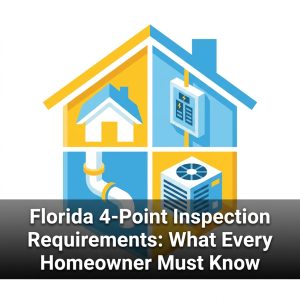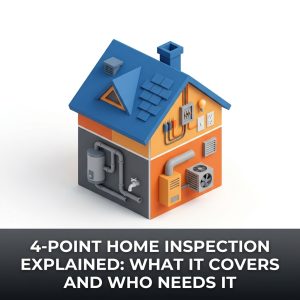
A significant number of Florida homeowners face a crucial requirement when seeking or renewing their insurance policies: the 4-point inspection. This inspection focuses on four key systems of a home—electrical, plumbing, HVAC (heating, ventilation, and air conditioning), and roofing—to assess their condition and potential risks. Understanding these requirements is vital for securing affordable and comprehensive homeowner’s insurance in the Sunshine State. In 2026, with insurance markets continuing to adjust, a well-prepared homeowner can better manage their policy options.
The prevalence of unique weather patterns and the aging housing stock in Florida contribute to higher insurance premiums. According to the Insurance Information Institute, Florida consistently ranks among the states with the highest homeowners insurance costs in the nation. [1] This reality underscores the importance of the 4-point inspection as a tool for insurers to gauge risk and set appropriate premiums. John Sisto, the expert home inspector behind Tampa Home Inspections, emphasizes that “the 4-point inspection isn’t just a hurdle for insurance; it’s a snapshot of your home’s health. Addressing issues identified here can prevent larger, more expensive problems down the line and also make your home more insurable.”
This article will guide Florida homeowners through the intricacies of the 4-point inspection, covering what each system entails, why it’s important for insurance companies, and what steps homeowners can take to prepare.
Understanding the Four Key Systems
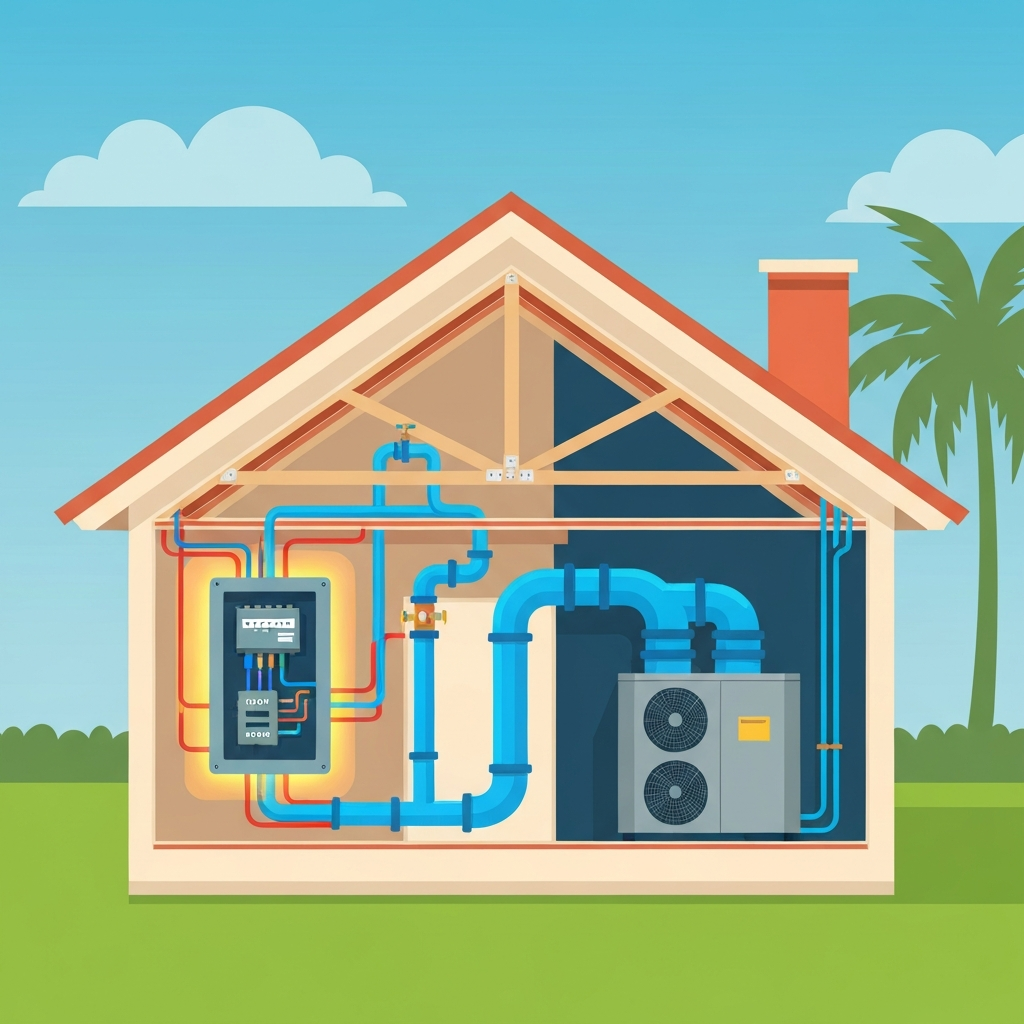
The 4-point inspection report is structured around the condition of four specific components of a residential property. Each system is evaluated for its age, functionality, and potential safety hazards.
Electrical System
The electrical system is a primary concern for insurers due to the significant fire risk associated with faulty wiring, outdated panels, or improper installations. A 4-point inspection will examine:
- Electrical Panel: This includes the main service panel and any sub-panels. Inspectors look for the type of panel (e.g., Federal Pacific Electric, Zinsco are often flagged), signs of rust or corrosion, adequate breaker capacity, proper labeling of circuits, and signs of overheating or damage. Overloaded panels or those with outdated breaker types can be a major red flag.
- Wiring: The type and condition of the wiring are crucial. Inspectors will check for knob-and-tube wiring, aluminum wiring (especially if improperly terminated), or frayed and damaged insulation. Modern, properly installed copper wiring is preferred. They also assess the visible wiring throughout accessible areas like the attic and crawl spaces.
- Outlets and Switches: The condition and type of outlets are noted. GFCI (Ground Fault Circuit Interrupter) outlets are required in specific areas like kitchens, bathrooms, and garages for safety. Inspectors check for proper grounding and any signs of wear or damage.
- Service Entrance: This refers to the point where power enters the home from the utility lines. Its condition and the size of the service drop are assessed.
Why it matters: An outdated or malfunctioning electrical system is a leading cause of house fires. Insurers want assurance that the wiring can safely handle the home’s electrical load and that there are adequate safety mechanisms, like circuit breakers, in place.
Plumbing System
The plumbing system is evaluated for leaks, water damage, and the age and material of the pipes. Issues here can lead to costly water damage claims. The inspection typically covers:
- Pipes: The material of the water supply and drain pipes is a key factor. Older homes may have galvanized steel, lead, or polybutylene pipes, which are prone to corrosion, leaks, and blockages. Copper and PEX (cross-linked polyethylene) are generally considered more durable. Inspectors will look for signs of leaks, corrosion, or past repairs.
- Water Heater: The age, condition, and venting of the water heater are assessed. A water heater older than a certain age (often 10-15 years) may need replacement. Signs of rust, leaks, or improper venting pose a risk.
- Visible Leaks and Water Damage: Inspectors will search for any evidence of current or past leaks, such as water stains on ceilings, walls, or floors, especially around plumbing fixtures, under sinks, and in bathrooms.
- Main Water Shut-off Valve: Its presence and accessibility are noted.
Why it matters: Leaking pipes and old water heaters can cause significant water damage, leading to mold growth and structural issues. Insurers aim to minimize the risk of such claims.
HVAC System
The heating, ventilation, and air conditioning system is critical for comfort and also contributes to indoor air quality and safety. The inspection focuses on:
- Heating Source: The type of heating system (e.g., furnace, heat pump, electric baseboard) and its age and condition are evaluated. Furnaces should be properly vented, and all systems should show signs of regular maintenance.
- Air Conditioning Unit: The age and operational status of the AC unit are checked. Older units may be less efficient and more prone to failure.
- Ductwork: Visible ductwork is inspected for leaks, damage, or signs of mold.
- Thermostat: The type and functionality of the thermostat are noted.
Why it matters: An inefficient or failing HVAC system can lead to increased energy consumption and potential discomfort. More critically, improperly maintained heating systems, especially older furnaces, can pose a carbon monoxide risk. Insurers look for systems that are functional and not presenting immediate hazards.
Roofing
The roof is arguably the most critical component from an insurance perspective, as it is the first line of defense against the elements. A compromised roof can lead to extensive damage to the interior of the home. The inspection examines:
- Roof Age: The age of the roof is a significant factor. Most insurance companies have an age limit for roofs (often 15-20 years for asphalt shingles, though this varies). A roof nearing or past its expected lifespan is a higher risk.
- Roof Material: The type of roofing material (shingles, tiles, metal) and its general condition are assessed.
- Damage: Inspectors look for missing, cracked, curling, or damaged shingles or tiles. They also check for signs of sagging, moss growth, or debris accumulation.
- Flashing and Vents: The condition of flashing around chimneys, vents, and skylights is crucial, as these are common entry points for water.
Why it matters: A damaged or old roof significantly increases the risk of water intrusion, which can cause widespread damage to the structure, insulation, and interior finishes. Insurers are particularly wary of homes with roofs that are nearing the end of their service life.
Why is a 4-Point Inspection Required?
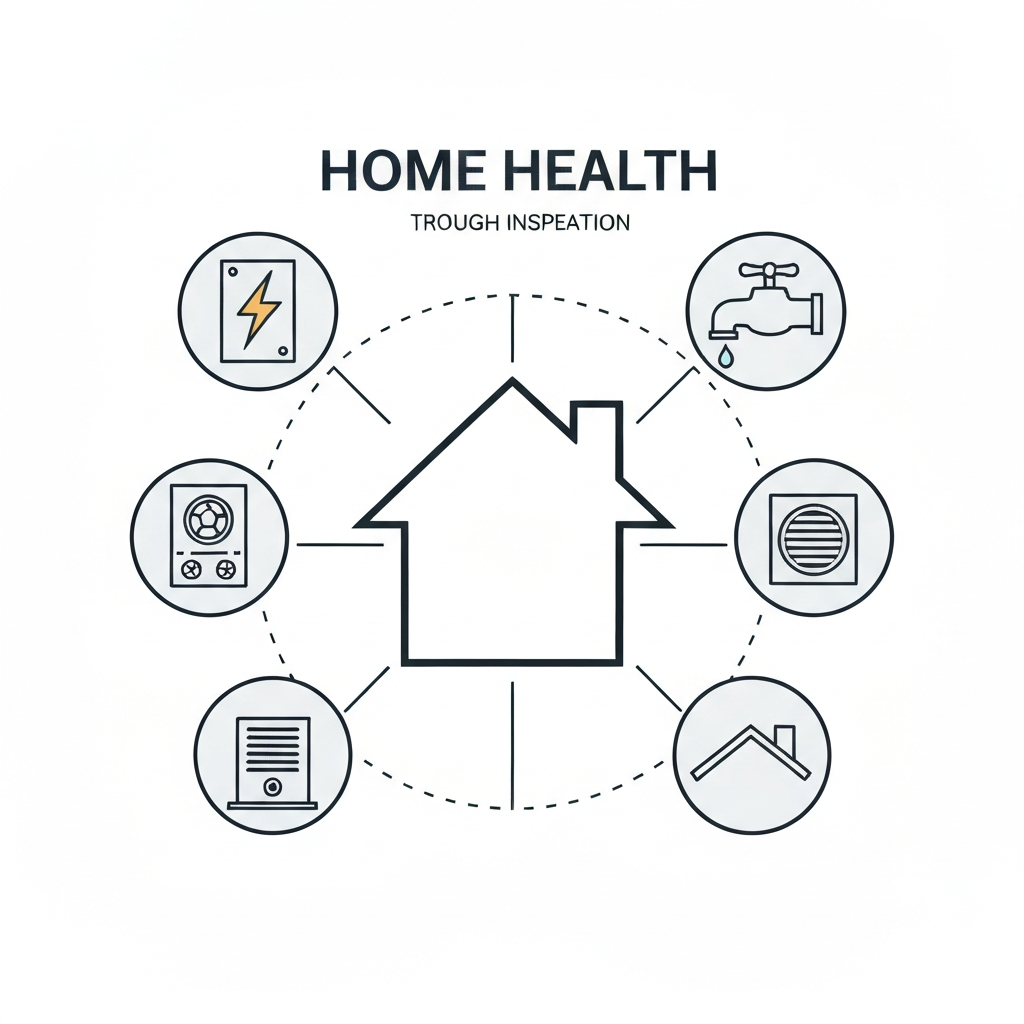
Insurance companies use the 4-point inspection to assess the overall risk profile of a property. In Florida, this is especially important due to several factors:
- Aging Housing Stock: Many homes in Florida were built decades ago and may not meet current building codes or standards for electrical, plumbing, or roofing systems.
- Environmental Risks: The state is prone to hurricanes, tropical storms, and high winds, which put significant stress on roofs and can exacerbate existing issues in any of the four systems.
- Insurance Market Volatility: The Florida insurance market has experienced considerable instability, with some companies withdrawing from the state or significantly increasing premiums. Insurers are therefore more cautious and rely on detailed inspections to manage their exposure.
The inspection helps insurers determine:
- Insurability: Whether the home meets minimum standards to be insured.
- Premium Rates: The condition of the four systems directly influences the premium charged. Homes with older or damaged systems will likely face higher rates.
- Coverage Limits: In some cases, the inspection might lead to specific exclusions or limitations on coverage if certain systems are deemed high-risk.
According to the Florida Office of Insurance Regulation, understanding your policy and the factors that affect its cost is essential for homeowners navigating the state’s insurance landscape. [2]
Who Performs the 4-Point Inspection?
Typically, a licensed and insured home inspector, an authorized insurance adjuster, or a contractor specializing in one of the four systems can perform the inspection. However, insurance companies often have specific requirements regarding who is qualified to perform the inspection. It is crucial for homeowners to verify with their insurance provider before scheduling the inspection to ensure the inspector meets their criteria.
John Sisto from Tampa Home Inspections notes, “We often see homeowners who have an inspection done, only to find out their insurance company won’t accept it. Always confirm the credentials and acceptance criteria with your insurer first. This saves time and money.”
What Happens After the Inspection?
Once the inspection is complete, the inspector provides a detailed report, often accompanied by photographs of each system. This report is submitted to the insurance company.
- If the home passes: The insurance company will typically proceed with issuing or renewing the policy, potentially at the quoted premium.
- If the home has issues: The insurance company may:
- Require the homeowner to make specific repairs within a set timeframe before issuing or renewing the policy.
- Offer a policy with higher premiums or specific exclusions related to the problematic systems.
- Decline to insure the property if the issues are too severe or deemed uninsurable.
Homeowners who receive a report indicating deficiencies have a few options:
- Make Repairs: Address the issues identified in the report. After repairs are completed, a re-inspection may be necessary to satisfy the insurance company.
- Seek Alternative Insurance: If the current insurer is unwilling to cover the home, or if the required repairs are too costly, homeowners may need to explore other insurance providers. However, many companies have similar requirements.
- Consult a Professional: A qualified home inspector or contractor can provide advice on the best course of action for addressing identified problems.
Preparing for Your 4-Point Inspection
Being proactive can help streamline the process and potentially lead to better insurance outcomes. Here’s how homeowners can prepare:
Gather Documentation
- Proof of Age of Systems: Have documentation ready for the age of your roof, HVAC system, water heater, and electrical panel if available. This could be receipts, permits, or previous inspection reports.
- Previous Repair Records: Any records of recent upgrades or repairs to the four key systems can be beneficial.
Basic Homeowner Checks
While the inspector will conduct a thorough examination, a homeowner can perform some preliminary checks:
- Electrical: Ensure all outlets and switches are functioning. Check for any flickering lights or tripped breakers. Make sure GFCI outlets are present in required areas (kitchens, bathrooms, garages, exterior outlets).
- Plumbing: Look for any visible signs of leaks under sinks, around toilets, or near the water heater. Ensure water pressure seems adequate and drains are not excessively slow.
- HVAC: Confirm that your heating and cooling systems are operational. Check that the thermostat is working.
- Roof: Visually inspect the roof from the ground for any obvious missing shingles or damage if it’s safe to do so. Check gutters for debris.
Understand Your Insurer’s Specifics
As mentioned, confirming the insurance company’s requirements before the inspection is paramount. Some insurers may have specific age limits for certain components or prefer inspections performed by certain types of professionals.
Beyond the 4-Point Inspection: Other Insurance Considerations in Florida
While the 4-point inspection is a common requirement, it’s not the only factor influencing Florida homeowners’ insurance. Other considerations include:
- Roof Age and Type: Many insurers have strict guidelines on roof age and material. A roof nearing the end of its lifespan is a significant hurdle for obtaining or maintaining insurance. Some policies may require a new roof before coverage is granted or renewed.
- Wind Mitigation Inspection: This inspection assesses features of the home that reduce wind damage (e.g., roof shape, impact-resistant windows, door bracing). A favorable wind mitigation report can lead to significant discounts on insurance premiums. [3]
- Citizens Property Insurance: For homeowners struggling to find coverage in the private market, Citizens Property Insurance Corporation, the state-backed insurer of last resort, is an option. However, Citizens has its own underwriting requirements and premium structures.
- Home Hardening: Investments in making a home more resilient to wind and water damage (e.g., installing impact-resistant windows, reinforcing garage doors, upgrading the roof) can improve insurability and potentially lower premiums.
The Florida Division of Consumer Services provides resources for homeowners seeking insurance information and assistance. [4]
Conclusion
The 4-point inspection is a fundamental aspect of securing homeowner’s insurance in Florida. By focusing on the electrical, plumbing, HVAC, and roofing systems, insurers aim to mitigate risk in a state with unique environmental challenges and a dynamic insurance market. For homeowners, understanding what the inspection entails, preparing adequately, and addressing any identified issues are crucial steps. Proactive maintenance and a clear understanding of insurance requirements can help ensure that Florida homes remain protected and that homeowners can find the coverage they need. John Sisto, founder of Tampa Home Inspections, reminds homeowners, “An inspection provides valuable information. Use it not just to satisfy your insurer, but to make informed decisions about maintaining and protecting your most valuable asset.”
Key Takeaways
- The Florida 4-point inspection assesses four key home systems: electrical, plumbing, HVAC, and roofing.
- It is a requirement for many insurance companies in Florida to evaluate property risk.
- Older or damaged systems, particularly the roof, are major concerns for insurers.
- Homeowners must verify specific requirements with their insurance provider before scheduling an inspection.
- A successful inspection leads to easier insurability, while issues may require repairs or result in higher premiums.
- Other factors like roof age, wind mitigation, and home hardening also significantly impact Florida homeowners’ insurance.
Frequently Asked Questions
What is a 4-point inspection in Florida?
A 4-point inspection is a type of home inspection specifically requested by insurance companies in Florida. It focuses on four critical systems of a home: the electrical system, plumbing system, HVAC system, and the roof. The purpose is for the insurance company to assess the risk associated with insuring the property.
Who is qualified to perform a 4-point inspection?
Typically, a licensed and insured home inspector, a certified insurance adjuster, or a licensed contractor in the relevant trade can perform a 4-point inspection. However, it is essential to confirm with your specific insurance provider before the inspection which professionals they accept. Some insurers have very specific requirements.
How old can a roof be for a 4-point inspection?
Insurance companies in Florida often have age limits for roofs. For asphalt shingles, this is commonly between 15 to 20 years. For other materials like metal or tile, the acceptable age might be longer. If a roof is nearing or past its expected lifespan, it may cause issues with obtaining or renewing insurance, potentially requiring replacement.
What happens if my 4-point inspection fails?
If your 4-point inspection reveals issues that do not meet the insurance company’s standards, they may require you to make specific repairs within a certain timeframe before they will issue or renew your policy. Alternatively, they might offer coverage at a higher premium, impose specific exclusions, or decline to insure the property altogether if the problems are too severe.
Do I need a 4-point inspection for new home insurance in Florida?
Yes, it is very common for insurance companies in Florida to require a 4-point inspection, especially for homes that are a certain age (often 30 years or older) or when you are seeking a new policy. It helps the insurer understand the condition of the home’s key systems and the associated risks.
Can I do a 4-point inspection myself?
No, you cannot perform a 4-point inspection yourself for insurance purposes. The inspection must be conducted by a qualified and authorized professional (like a licensed inspector or adjuster) whose report the insurance company will accept. The insurer needs an independent assessment of the property’s condition.