“`html
In Florida, where hurricane season is a predictable part of life, understanding your home’s protection against high winds is not just prudent—it’s essential. A significant number of insurance claims following severe weather events often stem from wind damage. In fact, wind damage claims account for a substantial portion of property insurance payouts in coastal states like Florida, highlighting the critical need for robust home defenses. [^1] This article aims to provide Florida homeowners with a thorough understanding of wind mitigation inspections, their importance, and how they can impact your homeowner’s insurance.
Understanding the Purpose of a Wind Mitigation Inspection
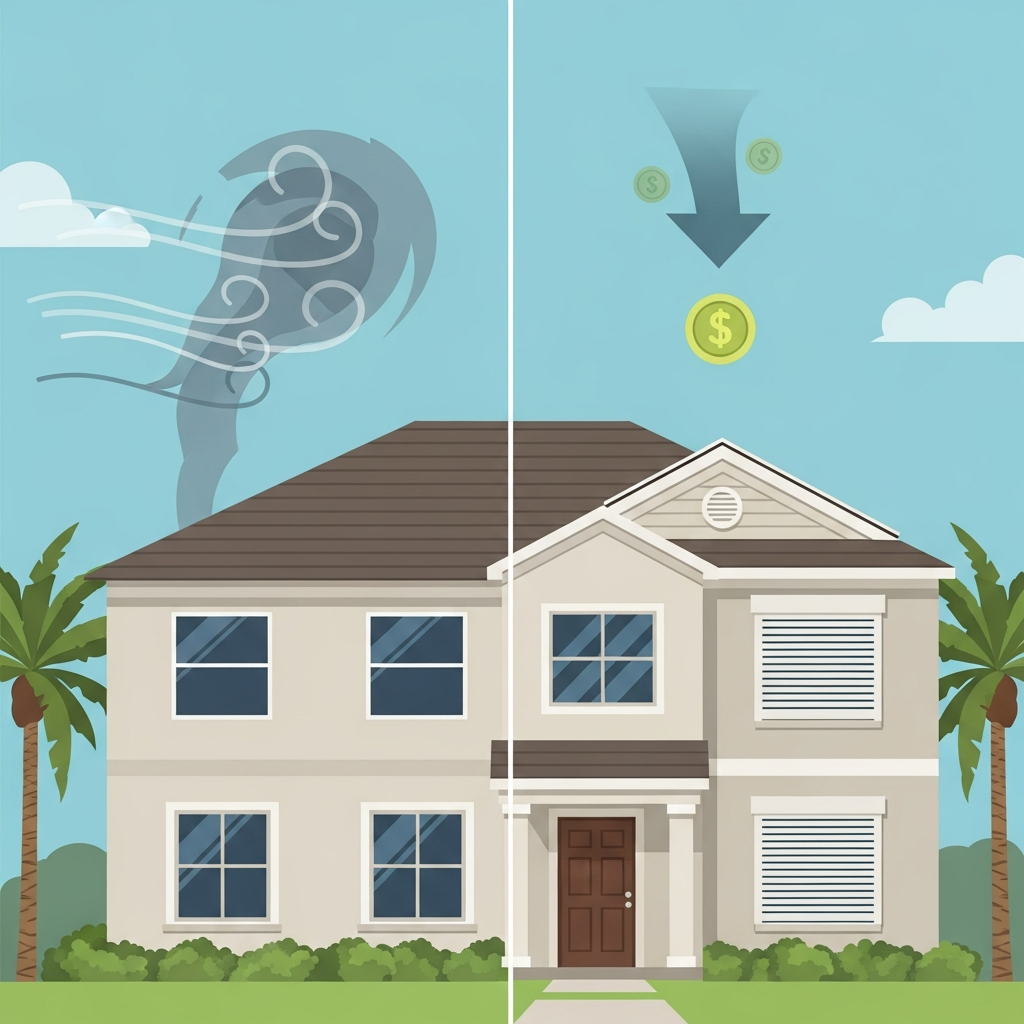
A wind mitigation inspection is a specialized assessment of your home’s construction features that offer protection against wind damage, particularly from hurricanes and tropical storms. It’s not about assessing the general condition of your house; instead, it focuses on specific building components designed to withstand high winds.
The primary goal of this inspection is to identify and document features that reduce the potential for wind damage. These features can include the type of roof covering, the roof-to-wall connections, the presence and type of hurricane shutters, and the strength of the windows and doors. By identifying these protective measures, insurance companies can offer discounts on homeowner’s policies, as a home with better wind resistance poses a lower risk.
Why is it Crucial for Florida Homeowners?
Florida’s geographic location places it directly in the path of numerous tropical storms and hurricanes each year. The state has experienced some of the most devastating hurricanes in U.S. history, causing billions of dollars in damage. According to the Florida Division of Emergency Management, the state is particularly vulnerable due to its extensive coastline and low-lying terrain. [^2]
Because of this heightened risk, insurance premiums in Florida can be significantly higher than in other parts of the country. A wind mitigation inspection is one of the most effective ways for homeowners to potentially lower these costs. By proving your home has specific features that can better withstand high winds, you demonstrate to your insurance provider that your property is less likely to sustain severe damage, thus warranting a discount.
Key Components Assessed During a Wind Mitigation Inspection
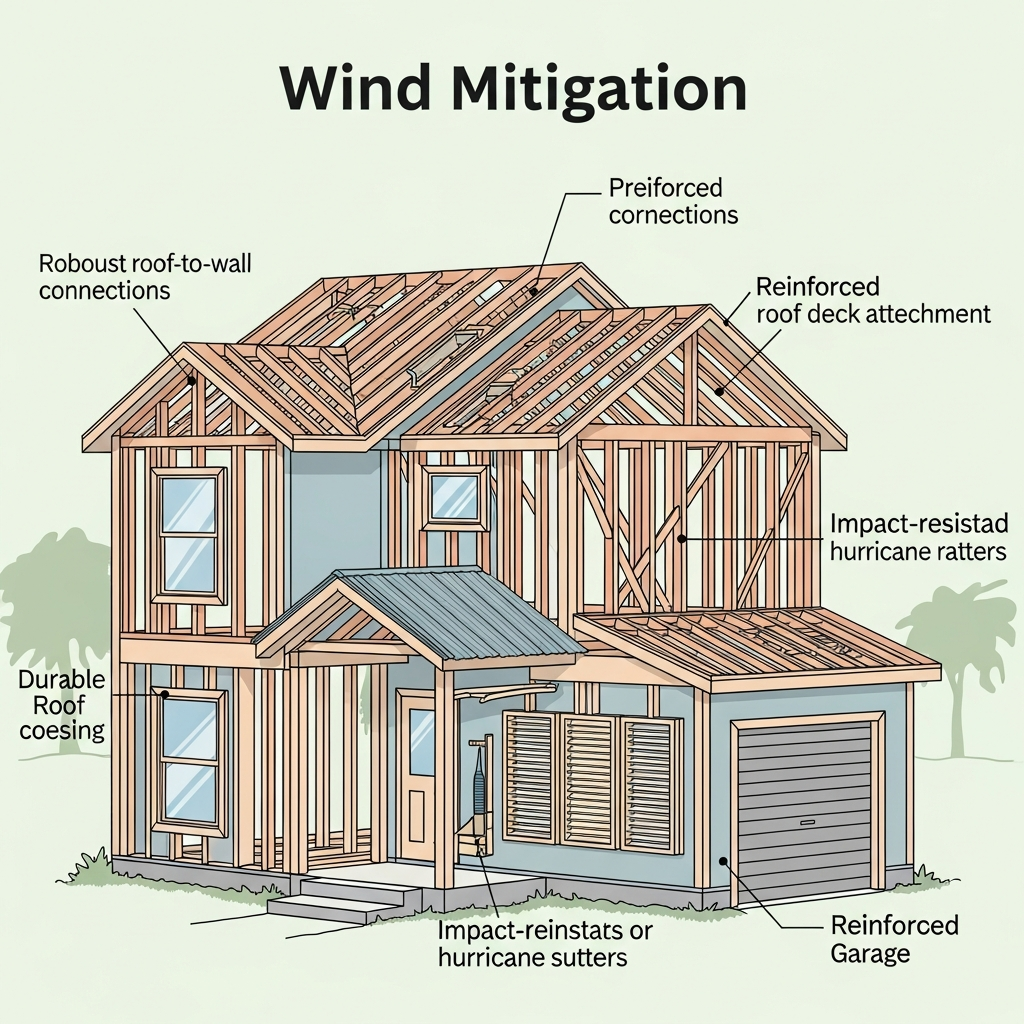
A certified inspector will examine several critical areas of your home. Understanding these components can help you prepare for the inspection and appreciate the value of each feature.
Roof Covering
The type of material used to cover your roof is a primary factor. Inspectors will look at:
- Material Type: Shingles, metal, tiles, or built-up roofing all offer different levels of wind resistance. For instance, certain types of metal roofing are known for their durability in high winds.
- Installation Method: How the roof covering is attached to the roof deck is equally important. Nails are common, but the size, spacing, and type of fasteners used play a role. Clips or special adhesives might offer superior protection.
- Age of Covering: The lifespan of roofing materials is limited, and older coverings may not offer the same level of protection as newer ones. Insurance companies often have age restrictions for certain materials to qualify for discounts.
Roof Deck Attachment
This refers to how the roof deck (the plywood or OSB sheathing that covers the roof trusses or rafters) is attached to the underlying structure.
- Fastening: The inspector will check the type and spacing of nails or screws used to secure the roof deck. A properly attached roof deck is crucial for preventing the roof from lifting off during a storm. Codes often require specific nail lengths and spacing, such as 8d nails spaced 6 inches on center at the edges and 12 inches in the field.
- Sealed Deck: Some homes may have a sealed roof deck, meaning the seams between the plywood or OSB panels are sealed. This adds an extra layer of protection against water intrusion if the primary roof covering is compromised.
Roof-to-Wall Connections
This is a vital area, as it describes how the roof structure is physically connected to the walls of the house. A strong connection prevents the roof from separating from the walls during high winds.
- Hurricane Straps/Clips: These metal connectors are specifically designed to tie the roof trusses or rafters to the wall framing. Inspectors will look for the presence, type, and installation of these straps. Different types of straps offer varying degrees of strength, and their installation must meet specific building codes. For example, a single strap might be rated for a certain wind speed, while a double strap offers greater resistance.
- Toe Nails: In older homes, nails might have been used to connect the roof structure to the walls. The number and size of these nails, along with their angle, determine their effectiveness. Hurricane straps are generally considered superior.
Secondary Water Barrier (SWB)
This is a crucial component for preventing water damage if the primary roof covering is damaged or blown off.
- Purpose: An SWB acts as a backup layer of protection. It’s typically a material applied directly to the roof deck that prevents water from entering the attic or living spaces even if shingles or tiles are lost.
- Types: Common forms include self-adhering modified bitumen membrane (often called “peel and stick”), which is applied directly to the roof deck, or a properly installed felt underlayment that is fully adhered or mechanically fastened.
- Importance: Many insurance companies offer significant discounts for homes with a secondary water barrier, as it dramatically reduces the risk of extensive water damage during a storm.
Opening Protection
This category covers measures taken to protect the openings in your home – windows and doors – from wind and debris impact.
- Windows:
- Impact-Resistant Glass: Windows designed to withstand the impact of wind-borne debris are a significant protective feature. These are often referred to as “hurricane windows” or “impact-rated windows.”
- Storm Shutters: The presence and type of shutters are assessed. This includes accordion shutters, roll-down shutters, panel shutters (metal or plastic), and Bahama shutters. The inspector will verify that they are functional and properly installed.
- Doors:
- Hurricane-Resistant Doors: Exterior doors, including garage doors, that are specifically built to withstand high winds and impacts are important. This often involves reinforced frames and stronger locking mechanisms.
- Garage Doors: Garage doors are particularly vulnerable. A properly braced and reinforced garage door is crucial, as its failure can lead to significant pressure buildup inside the home, potentially causing roof failure. Inspectors will check for bracing kits or impact-rated garage doors.
- Rating: Openings are often rated for specific wind speeds. The inspection will document the level of protection offered by each type of opening protection.
The Wind Mitigation Inspection Process
The inspection itself is a relatively straightforward process, but it requires a trained and certified professional.
Choosing an Inspector
It’s important to select a qualified inspector. In Florida, inspectors must be licensed and certified by the state to conduct wind mitigation inspections. They often include home inspectors, general contractors, architects, or engineers who have completed the required training. You can often find recommendations from your insurance agent or through reputable industry associations.
What to Expect During the Inspection
- Documentation: The inspector will use a standardized form, the Uniform Mitigation Verification Form (OIR-B1-1802), to document their findings. This form is recognized by all insurance companies in Florida.
- Visual Assessment: The inspector will visually examine the components mentioned above. This involves going into the attic to inspect the roof deck attachment and hurricane straps, examining the exterior for roof covering type and condition, and verifying the presence and type of window and door protection.
- Photography: Inspectors typically take photographs of all the features they document to provide evidence for their findings.
- Report Generation: Once the inspection is complete, the inspector will fill out the OIR-B1-1802 form, detailing all the wind-resistant features found on your property. This report is then submitted to you and can be provided to your insurance company.
How the Inspection Impacts Your Insurance Premium
The completed wind mitigation form is the key to potential insurance savings. Insurance companies use the information on this form to determine the level of risk associated with your property. Homes with more robust wind-resistant features will qualify for greater discounts.
- Discount Calculation: Each feature documented on the form contributes to a potential discount. The more features you have, and the better their ratings, the higher your potential savings. For example, having hurricane straps, a sealed roof deck, and impact-resistant windows will likely result in a more substantial discount than having only basic protection.
- Savings Potential: Studies and insurance industry data suggest that savings from a wind mitigation inspection can range from a few hundred dollars to over a thousand dollars per year, depending on the specific features of the home and the insurance policy. John Sisto, the expert home inspector behind Tampa Home Inspections, advises homeowners that “the savings can often pay for the inspection cost many times over within the first year.” [^3]
- Policy Renewal: A wind mitigation inspection report is generally valid for five years, but insurance companies may require a new inspection if significant changes are made to the home’s structure or protective features. It’s often beneficial to have the inspection done when you first purchase a home or switch insurance providers, and then periodically thereafter.
Common Misconceptions About Wind Mitigation Inspections
Several misunderstandings can prevent homeowners from taking advantage of these inspections.
- “My house is new, so I don’t need one.” While newer homes are built to current building codes, which are generally more stringent than older codes, they may not automatically include all the features that qualify for maximum discounts. For example, even new homes might not have hurricane shutters if they weren’t specifically requested or if the builder didn’t opt for higher-rated windows.
- “It’s too expensive.” The cost of a wind mitigation inspection typically ranges from $75 to $150. Given that the potential annual savings can far exceed this cost, it’s usually a worthwhile investment.
“It’s the same as a general home inspection.” A general home inspection covers the overall condition of the house, including plumbing, electrical, HVAC, and structural integrity. A wind mitigation inspection is highly specialized, focusing only* on features that protect against wind damage.
- “I already have hurricane shutters, so I’ll get the discount.” The type, installation, and rating of shutters matter. Simply having shutters isn’t enough; they must meet specific criteria documented on the OIR-B1-1802 form. The inspector will verify these details.
Preparing Your Home for a Wind Mitigation Inspection
While the inspector will do the work, a little preparation can ensure the process goes smoothly.
- Access: Ensure the inspector has clear access to all areas of your home, including the attic, crawl spaces, and exterior.
- Documentation: Gather any existing documentation related to your roof (age, installation records) or windows and doors (impact ratings, shutter specifications).
- Clear Clutter: In the attic, try to clear away any stored items that might obstruct the inspector’s view of the roof deck and connections.
- Functional Shutters: If you have shutters, make sure they are accessible and, if possible, demonstrate how they operate.
The Role of Building Codes and Insurance
Florida has some of the most advanced building codes in the United States, designed to make structures more resilient to hurricanes. The Florida Building Code (FBC) is updated regularly and incorporates lessons learned from past storm seasons. [^4]
However, compliance with the FBC is a minimum standard. A wind mitigation inspection looks for features that go beyond the basic code requirements or are installed in a way that offers superior protection. Insurance companies recognize these enhanced protective measures by offering discounts.
The Interplay Between Mitigation and Premiums
Insurance companies are in the business of managing risk. They use data and actuarial tables to predict the likelihood and severity of claims. By offering discounts for wind mitigation features, they incentivize homeowners to invest in property protection, which in turn reduces the overall claims burden for the insurer.
This creates a positive feedback loop: homeowners are motivated to fortify their homes to save money, and insurers benefit from a lower risk pool. It’s a system designed to make Florida homes safer and insurance more affordable.
Frequently Asked Questions About Wind Mitigation Inspections
What is the primary goal of a wind mitigation inspection?
The main objective is to identify and document specific construction features of a home that provide resistance to wind damage, particularly from hurricanes. This documentation allows insurance companies to offer premium discounts to homeowners who have invested in these protective measures.
How much can I save on my homeowner’s insurance with a wind mitigation inspection?
Savings vary significantly based on the home’s features and the insurance policy. However, many Florida homeowners can see annual savings ranging from $100 to over $1,000. The potential discount is directly tied to the number and quality of wind-resistant features identified during the inspection.
How often do I need to have a wind mitigation inspection done?
A wind mitigation inspection report is generally valid for five years. However, your insurance company may require a new inspection if you make significant upgrades to your home’s wind-resistant features or if they have specific policy requirements regarding the recency of the report. It is always advisable to check with your insurance provider.
What happens if my home doesn’t have many wind-resistant features?
If your home lacks many of the features assessed, you simply won’t qualify for the associated discounts. This doesn’t mean the inspection is useless; it highlights areas where you might consider making upgrades to improve your home’s safety and potentially reduce future premiums. For example, adding hurricane shutters or reinforcing your garage door could be beneficial investments.
Can I perform a wind mitigation inspection myself?
No, you cannot perform a wind mitigation inspection yourself for insurance discount purposes. The inspection must be conducted by a licensed and certified inspector in Florida. They are trained to use the standardized OIR-B1-1802 form and must provide photographic evidence of the features documented.
What is a Secondary Water Barrier (SWB) and why is it important?
A Secondary Water Barrier (SWB) is a layer of protection applied directly to the roof deck, beneath the primary roofing material (like shingles or tiles). Its purpose is to prevent water from entering the home if the primary roof covering is damaged or blown off during a storm. Many insurance companies offer substantial discounts for homes equipped with a properly installed SWB, as it significantly reduces the risk of water damage and associated claims.
Key Takeaways
- A wind mitigation inspection assesses features that protect your home from high winds, crucial for Florida residents.
- Key components examined include roof covering, roof deck attachment, roof-to-wall connections, secondary water barrier, and opening protection (windows and doors).
- The inspection uses a standardized form (OIR-B1-1802) recognized by all Florida insurance companies.
- Successful completion of the inspection can lead to significant discounts on homeowner’s insurance premiums.
- Savings can often recoup the inspection cost within the first year.
- The inspection is valid for five years, but check with your insurer for specific requirements.
- Newer homes may still benefit from an inspection, as they may not automatically have all discount-qualifying features.
- It’s essential to use a licensed and certified inspector for the report to be valid.
- Investing in wind-resistant features not only saves money but also enhances your home’s safety.
Conclusion
For Florida homeowners, a wind mitigation inspection is more than just a routine check; it’s a strategic tool for managing risk and reducing insurance costs. By understanding the inspection process and the features that qualify for discounts, you can take proactive steps to protect your property and your finances. John Sisto of Tampa Home Inspections emphasizes, “Homeowners should view this inspection not as an expense, but as an investment in their home’s resilience and their peace of mind during hurricane season.” [^5] Ensuring your home is well-prepared for severe weather is an ongoing commitment, and a wind mitigation inspection is a vital part of that commitment.
[^1]: National Hurricane Center. “Hurricane Preparedness.” National Oceanic and Atmospheric Administration. https://www.nhc.noaa.gov/prepare/ (Accessed 2026).
[^2]: Florida Division of Emergency Management. “Hurricane Preparedness.” State of Florida. https://www.floridadisaster.org/plan-prepare/ (Accessed 2026).
[^3]: Tampa Home Inspections. “Wind Mitigation Inspections.” https://tampainspecting.com/services/wind-mitigation/ (Accessed 2026).
[^4]: Florida Building Commission. “Florida Building Code.” Florida Department of Business and Professional Regulation. https://www.floridabuilding.org/pr/pr_main.aspx (Accessed 2026).
[^5]: Tampa Home Inspections. “Why Choose Us.” https://tampainspecting.com/about-us/ (Accessed 2026).
“`