Introduction
Buying a home in Florida comes with unique challenges. Between hurricane season, humid summers, and strict insurance requirements, homeowners need to understand how inspections affect their coverage. One inspection that often raises questions is the 4-point inspection. Insurance companies often require it for older homes, but many homeowners wonder: Do newer homes still need a 4-point inspection to qualify for insurance?
This guide by Tampa Home Inspections explains what a 4-point inspection is, what it covers, when it is required, and how it impacts both older and modern homes in Florida. By the end, you’ll know if your home needs this inspection and how it can help protect your property and lower your insurance costs.
What Is a 4-Point Inspection and Why Does Florida Require It?
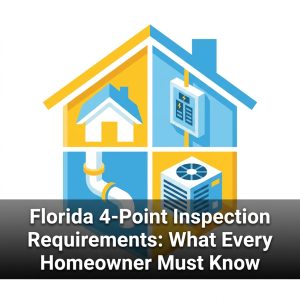
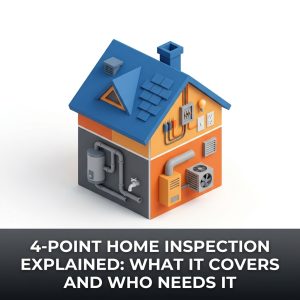
A 4-point inspection is a specialized review of four major systems in a home: roof, HVAC, plumbing, and electrical. Unlike a full home inspection, which covers every corner of the property, this inspection focuses only on the areas insurers see as highest risk.
Florida’s insurance market has been hit hard by rising claims from storms, floods, and aging housing stock. Insurance companies often require 4-point inspections to reduce risk when writing policies. Homes over 20 years old are the most common candidates. The inspection helps insurers decide if a home is in good working condition or if upgrades are needed before they will issue or renew coverage.
For homeowners, this process is not just about meeting an insurance requirement. It can also flag repair issues early, preventing costly surprises down the line.
You may also read: What Is A Four-Point Inspection In Florida?
What Systems Are Covered in a 4-Point Home Inspection?
A 4-point inspection reviews the four main systems that most often cause insurance claims in Florida homes: the roof, HVAC, electrical, and plumbing.
Roof
The roof is checked for age, condition, leaks, and materials. Because Florida storms put heavy stress on shingles and tiles, insurers want proof the roof has at least 3–5 years of life remaining.
HVAC System
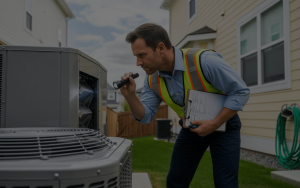
Air conditioning is critical in Florida’s hot climate. Inspectors verify whether the HVAC system is functional, properly ventilated, and free of leaks. Very old or poorly maintained units often raise insurance concerns.
Electrical System
The electrical system inspection includes wiring, the electrical panel, and safety devices. Outdated panels like Federal Pacific or Zinsco are major red flags. Insurance companies consider faulty wiring one of the top fire hazards in Florida homes.
Plumbing
Plumbing includes an evaluation of pipes, water heaters, and fixtures. Inspectors look for leaks, corrosion, and the type of materials used. Polybutylene pipes, for instance, are prone to failure and may prevent coverage until replaced.
These four systems—roof, HVAC, electrical, and plumbing—are the leading causes of insurance claims in Florida, including water damage, roof leaks, fire hazards, and AC breakdowns.
Do Newer Homes Still Need a 4-Point Inspection to Qualify for Insurance?
For most modern homes, a 4-point inspection is typically not required. Insurers already know that homes under 10–15 years old meet stricter building codes and usually have reliable systems. However, exceptions exist.
Some insurance companies may request a 4-point inspection even on a newer home if:
- The home has unique upgrades such as solar panels or tankless water heaters.
- There are questions about renovations or system replacements.
- The insurer has stricter rules in high-risk areas like Tampa or Miami.
So while the general rule is that newer homes don’t need a 4-point inspection, homeowners should always confirm with their insurer. Policies vary, and in rare cases, the inspection can still be a requirement for insurance eligibility.
Are 4-Point Inspections Needed for Homes Built After 2002?
In 2002, Florida updated its building codes after years of hurricane damage. Homes built after this date were required to meet tougher standards for roofing, electrical, plumbing, and structural systems. As a result, most insurers do not require a 4-point inspection for these homes.
That said, there are cases where insurers still ask for documentation. For example, if a post-2002 home has had major renovations, an inspection may be required to verify updates were done properly. Some insurance companies also request 4-point inspections at the 15-year mark even if the home was built to modern codes.
For buyers looking at new construction insurance in Florida, these inspections are usually waived. Still, knowing the rules for homes built after 2002 can save time during the application process.
You may also read: How to Pass a 4-Point Home Inspection
What Is the Cost of a 4-Point Inspection in Florida and How Long Is It Valid?
The cost of a 4-point inspection in Florida typically ranges from $75 to $150. Prices depend on the location, size of the property, and inspection company. For example, a Tampa insurance inspection might fall in the lower end of this range due to competition among inspectors.
Once completed, the inspection report is valid for about 12 months, although some insurers may accept it for up to two years. If major repairs or upgrades are made, a new inspection may be needed to prove the changes. Considering the savings on insurance premiums and the peace of mind it provides, the cost is relatively small.
Do You Need Both a 4-Point and a Wind Mitigation Inspection?
Yes, sometimes both inspections are needed. While a 4-point inspection focuses on the condition of key systems, a wind mitigation inspection evaluates how well your home can withstand hurricane winds.
You may need both if:
- Your home is more than 20 years old.
- You are seeking insurance discounts for storm-resistant features.
- The insurer requires proof of roof straps, impact-resistant windows, or a secondary water barrier.
Wind mitigation inspections can save homeowners hundreds, even thousands, of dollars in insurance premiums each year. Pairing them with a 4-point inspection ensures you’re both insurance eligible and maximizing discounts.
You may also read: Wind Mitigation Inspection Savings – How Much Can You Save on Insurance?
How to Prepare for a 4-Point Inspection Checklist
Getting your home ready before the inspector arrives can make the process smoother and improve your chances of passing. Focus on these key areas to show that your home’s major systems are in good working order:
- Roof – Clear gutters, check for missing shingles, and repair any visible leaks.
- HVAC – Change filters, clean vents, and ensure the system runs smoothly.
- Electrical System – Label the electrical panel, replace broken outlets, and repair exposed wiring.
- Plumbing – Check under sinks for leaks, flush the water heater, and repair dripping faucets.
Keep documentation handy, such as receipts for repairs, permits, or warranties. Inspectors value proof that systems have been updated or professionally serviced. Following this checklist improves your chance of passing the inspection and avoids delays in obtaining insurance coverage.
Protecting Your Home and Insurance Coverage With Inspections in Florida
In Florida, inspections do more than satisfy insurers. They help homeowners keep properties safe from costly damage. A weak roof or leaking plumbing can lead to water damage, while outdated wiring poses a fire risk.
For Tampa homeowners and those across the state, regular inspections are part of protecting both property and wallet. Even if your home is newer, understanding when and why insurers request inspections will save you time and stress during the insurance process.
You may also read: 4‑Point vs. Full Home Inspection – Navigating Florida Insurance Requirements
Conclusion
A 4-point inspection is a vital tool for Florida homeowners, especially those with older properties. While newer homes—particularly those built after 2002—are usually exempt, some insurance providers still require them in certain cases. Understanding when inspections are required, what they cost, and how they benefit your insurance eligibility helps you make informed decisions as a homeowner.
Key Takeaway
Most newer homes in Florida do not require a 4-point inspection. However, some insurers may still request it, and combining it with a wind mitigation inspection can help secure coverage and lower insurance premiums.
FAQs
1. How much does a 4-point inspection cost in Florida?
Most homeowners pay $75–$150 depending on property size and location. Costs can vary by inspector and the detail of the inspection report.
2. Do all insurers require a 4-point inspection for homes over 20 years old?
Yes. Insurance companies often require it to confirm the roof, plumbing, HVAC, and electrical system are in good working condition. Older homes with faulty wiring, leaks, or an aging water heater may need repairs before home insurance is approved.
3. How long does the inspection process take?
A 4-point inspection usually takes 1–2 hours. Inspectors focus on the roof, HVAC system, plumbing, and electrical panel, and the inspection report is often ready within a day for homeowners insurance.
4. Do newer homes also benefit from wind mitigation inspections?
Yes. Even a newer home with strong roof connections, updated wiring, and proper ventilation can qualify for insurance discounts if a wind mitigation inspection confirms storm-resistant features.
5. Can you use the same inspection report for multiple insurance providers?
Yes. As long as the inspection report is current and prepared by licensed home inspectors, insurers will accept it to review homeowners insurance eligibility for the roof, HVAC system, plumbing, and electrical system.