Introduction
A Four-Point Inspection is an essential requirement for many homeowners in Florida, especially those with older properties. Insurance companies often mandate this inspection to evaluate the current condition of a home’s major systems before issuing or renewing a homeowners insurance policy.
Understanding what a Four-Point Inspection entails, its components, and why it’s so important in Florida can help homeowners better prepare for the process and avoid common pitfalls.
What is a 4-Point Inspection?
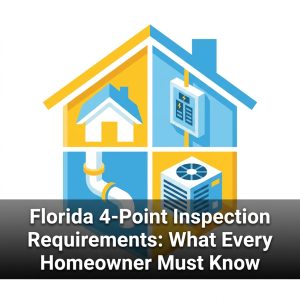
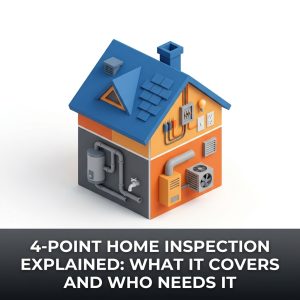
A 4-point inspection is a specialized assessment that focuses on four critical areas of a property:
- HVAC System
- Electrical System
- Plumbing
- Roof
Unlike a comprehensive home inspection, which covers all aspects of a property, a Four-Point Inspection zeroes in on these specific areas to ensure they are in good condition and compliant with current safety standards.
This type of inspection is particularly important in Florida, where the climate and environmental factors can cause significant wear and tear on these systems, leading to potential issues.
Components of a 4-Point Inspection
Each 4-point inspection covers four key areas:
1. HVAC System
The inspector assesses the age, condition, and functionality of the Heating, Ventilation, and Air Conditioning (HVAC) system. In Florida’s hot climate, a properly functioning HVAC system is essential for maintaining energy efficiency and indoor comfort.
The system is checked for signs of damage, inefficiency, and potential hazard risks that could lead to costly repairs.
2. Electrical System
This includes an examination of the electrical panels, wiring, and overall safety of the electrical systems. The inspector looks for outdated or faulty electrical wiring, such as aluminum wiring or Knob-and-tube wiring, which could pose a fire risk.
Additionally, double-tapped breakers or corroded connections in the electric panels are red flags that could affect insurance coverage.
3. Plumbing
The plumbing inspection covers the condition of pipes, fixtures, and the water heater. Inspectors check for plumbing leaks, corrosion, and the type of materials used in the plumbing system, such as copper wiring or galvanized pipes.
Signs of water damage or potential water damage under sinks or around the water heater can lead to insurance concerns.
4. Roof
The roof inspection is critical in Florida due to the state’s frequent storms and challenging weather. The inspector evaluates the roof’s age, materials, and condition, checking for any signs of leaks, wear, or roof deterioration.
Shingle roof damage, metal roof corrosion, or missing tiles can be causes for concern during this inspection.
The 4-Point Inspection Process
The 4-point inspection process typically involves the following steps:
- Scheduling an Appointment: The homeowner schedules an appointment with a licensed home inspector.
- On-Site Inspection: The inspector visits the property to evaluate the four key systems: HVAC System, Electrical Systems, Plumbing and Roofing
- Thorough Evaluation: Each system is inspected for age, condition, and compliance with current standards.
- Detailed Inspection Report: After the inspection, the homeowner receives a detailed report outlining the findings.
- Insurance Submission: The inspection report can be submitted to the insurance company for review. This report is crucial for determining the level of risk and identifying any repairs needed to meet insurance coverage requirements.
Why 4-Point Inspections are Crucial in Florida?
Florida’s unique climate and environmental factors make four-point inspections especially crucial for homeowners. Here’s why:
Accelerated Deterioration
The state’s hot, humid weather can accelerate the wear and tear on essential home systems, including the HVAC system, electrical systems, plumbing, and roofing.
Storm Damage
Florida’s frequent storms, including hurricanes and heavy rains, can cause significant damage to roofs and structures, leading to issues such as water damage, electrical problems, and compromised structural integrity.
Insurance Requirements
Insurance companies often require four-point inspections, particularly for older homes, to assess the risk associated with providing insurance coverage. Older homes may not meet current building codes, and a 4-point inspection helps determine whether these key systems are in good condition or if they pose potential risks.
Proactive Issue Identification
By identifying potential issues early through a four-point inspection, homeowners can address them before they escalate into major problems, maintaining the safety and functionality of their homes.
Insurance Premium Savings
Ensuring that the property meets necessary safety standards through a four-point inspection can lead to savings on insurance premiums.
Avoiding Costly Repairs
Addressing issues identified during a four-point inspection early on can help homeowners avoid costly repairs in the future, preserving the value and integrity of their property.
What Does a 4-Point Inspection Cost in Florida?
The cost of a 4-point inspection in Florida typically ranges from $100 to $200, depending on property size and system complexity.
Though it may seem like an extra cost, this inspection is crucial for securing homeowners’ insurance and ensuring your home’s safety. Insurance providers use the results to assess risks, set insurance requirements, and adjust rates, making it a key step in maintaining your policy and potentially lowering premiums.
Here’s a breakdown of the average costs associated with a 4-point inspection in Florida:
| Property Size | Estimated Cost |
|---|---|
| Small Property (under 1,000 sq. ft.) | $100 – $150 |
| Medium Property (1,000 – 2,500 sq. ft.) | $150 – $200 |
| Large Property (over 2,500 sq. ft.) | $200 and above |
Investing in a four-point inspection not only helps you meet insurance requirements but also provides peace of mind by ensuring that your home’s key systems are in good condition.
4-Point Inspection vs. Home Inspection
While a 4-point inspection focuses on specific areas of the home, a comprehensive home inspection covers the entire property. A home inspection includes a detailed assessment of the structure, foundation, exterior, interior, and other systems like insulation and ventilation.
A 4-point inspection is often required by insurance companies for older homes, whereas a full home inspection is typically conducted during the home-buying process to provide a complete overview of the property’s condition. Both inspections play a pivotal role in maintaining the safety and value of the home, but they serve different purposes.
Is A 4-Point Inspection The Same As A Wind Mitigation Inspection?
This is one of the most frequently asked questions, as many people tend to mix up these two types of inspections.
A 4-point inspection specifically focuses on evaluating the condition of four key systems in a home: the roof, electrical, plumbing, and HVAC. In contrast, a wind mitigation inspection is designed to assess a home’s features that help protect it against hurricane-force winds, such as roof shape, window protection, and door reinforcements.
Understanding the difference between these inspections is crucial, especially in areas prone to severe weather. For more in-depth information on this topic, please refer to our comprehensive guide.
How Long Does a 4-Point Inspection Remain Valid in Florida?
In Florida, a 4-point inspection is generally valid for one year. However, if there have been significant changes or updates to any of the inspected systems, a new inspection may be required by the insurance company.
It’s important for homeowners to keep their inspection reports up to date, especially when renewing their insurance policy or making claims. The insurance industry relies on these inspections to ensure that homes meet safety standards and that the systems are in good working order.
Common Reasons For Failing 4-Point Inspections in Florida
Here are some common reasons for failing a 4-point inspection in Florida:
- Aging or Leaking Roof: If the roof is near the end of its lifespan, has significant wear, or shows signs of leaks, it can lead to a failed inspection.
- Outdated Electrical Systems: Electrical panels that are outdated, such as those from Federal Pacific or Zinsco, or the presence of aluminum wiring, can pose fire hazards and often result in failure.
- Plumbing Issues: Plumbing systems with old materials like polybutylene pipes, visible leaks, or signs of water damage can cause a home to fail the inspection.
- HVAC System Problems: If the heating, ventilation, and air conditioning (HVAC) system is old, malfunctioning, or not up to code, it can be flagged during the inspection.
- Signs of Water Damage: Visible water damage, especially in areas like the ceiling, walls, or near windows, can indicate ongoing issues that may lead to a failed inspection.
- Structural Concerns: Any signs of structural deterioration or damage, such as cracks in the foundation or walls, can result in failing the inspection.
For more information on what could lead to a four-point inspection failure, please refer to our complete guide.
Conclusion
A four-point inspection is an essential step for homeowners in Florida, particularly those with older homes. It helps ensure that critical systems are in good condition and meet current safety standards, which is vital for securing homeowners’ insurance and maintaining the safety of your property.
For professional four-point inspections in the Greater Tampa area, trust Tampa Home Inspections. Our experienced team is here to help you navigate the process with confidence, ensuring your home meets all necessary requirements. Contact us today to schedule your inspection.