How to Pass a 4-Point Home Inspection: A Comprehensive Guide
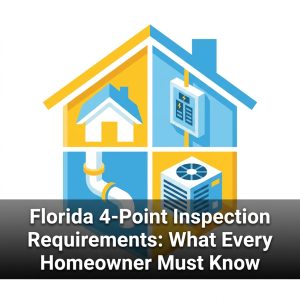
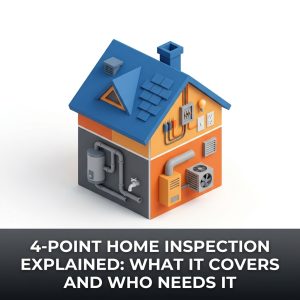
A 4-point home inspection focuses on four key areas of a home: the roof, electrical system, plumbing system, and HVAC (heating, ventilation, and air conditioning). It’s commonly required for older homes or when obtaining homeowners insurance, particularly in states like Florida. Understanding the requirements of a 4-point inspection and preparing accordingly can help homeowners pass it successfully and avoid costly delays.
In this guide, we’ll explain what a 4-point inspection entails, why it’s important, and how you can ensure your home meets the necessary standards.
What Is a 4-Point Home Inspection?
A 4-point home inspection is a detailed evaluation of the four most critical systems in a home:
- Roof: Assesses the age, condition, and remaining lifespan of the roof.
- Electrical System: Evaluates wiring, panels, and safety features for potential hazards.
- Plumbing System: Inspects pipes, fixtures, and water heaters for leaks or damage.
- HVAC System: Examines the condition and efficiency of heating and cooling systems.
Unlike a full home inspection, a 4-point inspection is focused on these areas to determine insurability and identify risks that could lead to claims.
Why Is Passing a 4-Point Inspection Important?
Passing a 4-point inspection is essential for homeowners seeking:
- Insurance Coverage: Many insurers require this inspection for older homes to ensure the property is insurable.
- Reduced Premiums: Addressing issues identified in the inspection can lower your insurance costs.
- Property Value: A well-maintained home with updated systems is more attractive to potential buyers.
- Peace of Mind: Ensuring the four key systems are in good condition minimizes the risk of major repairs.
Tips to Pass a 4-Point Home Inspection
1. Prepare Your Roof for Inspection
The roof is a major focus of a 4-point inspection. To ensure it passes:
- Inspect for Damage: Check for missing, loose, or broken shingles and repair them promptly.
- Clear Debris: Remove leaves, branches, and other debris from the roof and gutters.
- Ensure Proper Drainage: Make sure gutters and downspouts are functional and clear of clogs.
- Document Repairs: Provide receipts or documentation for recent roof repairs or replacements.
- Verify Lifespan: Confirm the roof has a remaining lifespan of at least three years, as many insurers require this.
2. Check Your Electrical System
Safety is a top concern for the electrical system. Ensure it meets the following criteria:
- Modern Wiring: Replace outdated or unsafe wiring, such as aluminum or knob-and-tube wiring, with modern options.
- Updated Panels: Upgrade old electrical panels, such as Federal Pacific or Zinsco panels, which are known for safety issues.
- Proper Grounding: Ensure all outlets and circuits are properly grounded.
- No Overloaded Circuits: Avoid double-tapped breakers or overloaded electrical circuits.
- Hire a Licensed Electrician: Have a professional inspect and address any issues before the 4-point inspection.
3. Address Plumbing Issues
Plumbing systems are evaluated for leaks, damage, and outdated materials. Take these steps:
- Fix Leaks: Repair any visible leaks in faucets, pipes, or fixtures.
- Replace Polybutylene Pipes: These older pipes are prone to failure and should be updated.
- Check Water Heater: Ensure the water heater is in good working condition and not past its expected lifespan (typically 10-15 years).
- Inspect for Corrosion: Look for signs of rust or corrosion on pipes and fixtures.
- Maintain Proper Water Pressure: Ensure consistent water pressure throughout the home.
4. Maintain Your HVAC System
The HVAC system is crucial for comfort and energy efficiency. Ensure it’s in good condition by:
- Scheduling Regular Maintenance: Have the system serviced by a professional to ensure proper operation.
- Replacing Air Filters: Clean or replace air filters regularly to maintain airflow and efficiency.
- Check for Leaks: Inspect ducts and connections for leaks or damage.
- Verify Age: HVAC systems older than 15 years may need to be replaced to meet inspection standards.
- Document Upgrades: Provide records of any repairs, replacements, or maintenance.
Common Reasons Homes Fail a 4-Point Inspection
- Roof Damage: Leaks, missing shingles, or roofs nearing the end of their lifespan.
- Outdated Electrical Panels: Unsafe panels or wiring systems.
- Leaking or Corroded Plumbing: Old pipes like polybutylene or galvanized steel.
- Aging HVAC Systems: Units that are inefficient, leaking, or not functioning properly.
Addressing these issues proactively can significantly increase your chances of passing the inspection.
How to Prepare for a 4-Point Inspection
- Conduct a Pre-Inspection: Hire a professional to evaluate the four key systems and identify any issues before the official inspection.
- Make Necessary Repairs: Address all identified problems, prioritizing safety and functionality.
- Keep Documentation Ready: Gather records of repairs, maintenance, or replacements for the roof, electrical, plumbing, and HVAC systems.
- Clean and Declutter: Ensure the inspector has easy access to the systems being evaluated.
Cost of a 4-Point Inspection in Wesley Chapel, Florida
The cost of a 4-point inspection typically ranges from $100 to $200, depending on the size and condition of the home. Some inspectors offer bundled services, such as combining a 4-point inspection with a wind mitigation inspection, which can save you money.
Conclusion
Passing a 4-point home inspection is crucial for securing homeowners insurance, especially for older properties. By addressing potential issues with the roof, electrical, plumbing, and HVAC systems in advance, you can ensure a smooth inspection process and avoid costly repairs or insurance delays.
If you’re preparing for a 4-point inspection in Wesley Chapel, Florida, contact Tampa Home Inspections at 813-492-6877 or visit Tampa Home Inspections. Our experienced inspectors provide thorough evaluations to help you protect your investment and ensure peace of mind.