Mold. The word itself can evoke feelings of unease and concern. In a humid climate like Tampa, Florida, mold growth is not just a possibility; it’s a frequent reality. Recognizing the signs of mold and understanding the costs associated with a professional inspection is crucial for homeowners and property managers in the Tampa Bay area. In 2026, understanding these costs involves looking at various factors that influence pricing, from the size of the property to the complexity of the suspected infestation.
A startling statistic from the Environmental Protection Agency (EPA) highlights the prevalence of mold issues. While specific numbers fluctuate, studies consistently show that a significant percentage of buildings contain mold, and around 70% of buildings with chronic moisture problems have mold present. This underscores the importance of proactive inspections, especially in regions prone to water damage and high humidity. Tampa, with its subtropical climate, experiences heavy rainfall and persistent humidity, creating an ideal environment for mold spores to thrive.
The cost of a mold inspection in Tampa in 2026 can range significantly, typically from $300 to $1,000 or more. This broad range is due to a multitude of variables. A basic visual inspection might be on the lower end, while a comprehensive assessment involving air sampling, surface testing, and detailed laboratory analysis will command a higher price. Understanding what goes into this cost will help you make an informed decision when selecting a mold inspection professional.
Factors Influencing Mold Inspection Costs in Tampa
Several key factors contribute to the overall price of a mold inspection. Recognizing these elements will allow you to better anticipate the charges and understand why one quote might differ from another.
Property Size and Type
The sheer square footage of the property is a primary determinant of cost. Larger homes require more time and effort to thoroughly inspect, leading to higher inspection fees. A small apartment will naturally cost less to inspect than a sprawling single-family home or a multi-unit commercial building.
- Small Condos/Apartments: Expect costs to be at the lower end of the spectrum, potentially starting around $300-$400 for a basic visual inspection.
- Single-Family Homes (1,000-2,000 sq ft): Mid-range pricing, likely between $400-$700 for a more thorough visual inspection with some basic moisture meter readings.
- Larger Homes (2,000+ sq ft) or Multi-Story Properties: These will incur higher costs, potentially $600-$1,000+, especially if extensive areas need to be covered.
- Commercial Properties: Inspection costs for commercial spaces can be significantly higher due to their size, complexity, and the need for specialized knowledge regarding various building materials and HVAC systems. Prices can easily exceed $1,000 and depend heavily on the specific building.
Scope of the Inspection
The depth and breadth of the inspection are critical. Are you concerned about a visible patch of mold in the bathroom, or do you suspect a hidden problem in the attic or crawl space?
- Visual Inspection: This is the most basic service, where an inspector visually examines accessible areas for signs of mold growth and water damage. This usually involves checking common problem areas like bathrooms, kitchens, basements, attics, and around windows.
- Moisture Meter Readings: Many inspectors will use a moisture meter to detect hidden moisture within walls, ceilings, and floors. This is often included in standard inspections but can be an add-on service for a more basic visual-only assessment.
- Thermal Imaging: Advanced inspectors may use thermal imaging cameras to detect temperature differences that can indicate moisture behind walls or in concealed spaces. This technology adds to the cost but can be invaluable in pinpointing hidden issues.
- Air Sampling: This involves collecting samples of the air inside the property to measure the concentration of mold spores. This is particularly useful when mold is suspected but not visible, or when occupants are experiencing unexplained health symptoms. Air sampling typically involves sending samples to an accredited laboratory for analysis, which adds to the overall cost.
- Surface Sampling: Swab or tape samples can be taken from surfaces suspected of mold growth. Like air samples, these are sent to a lab for identification and quantification of mold types.
- Bulk Sampling: If significant material is affected (e.g., a piece of drywall), a sample might be taken for laboratory analysis.
A comprehensive inspection, often recommended when dealing with significant water damage or persistent health concerns, will likely include air and surface sampling, pushing the price towards the higher end of the $300-$1,000+ range.
Laboratory Analysis Fees
When air, surface, or bulk samples are collected, they must be sent to a certified laboratory for analysis. These laboratory fees are usually separate from the inspection fee and can add $150-$500 or more to the total cost, depending on the number and type of samples analyzed. The lab report will identify the types of mold present and their concentrations, providing crucial data for determining the severity of the problem and the necessary remediation steps.
Urgency and Accessibility
If you require an inspection on short notice, such as over a weekend or holiday, you may incur additional emergency fees. Similarly, if the suspected mold is in a difficult-to-access area, like a cramped crawl space or a high attic, the inspector may charge more for the increased labor and safety precautions required.
Inspector Experience and Certifications
Highly experienced inspectors with specialized certifications (e.g., from the National Organization of Remediators and Mold Inspectors – NORMI, or the Institute of Inspection, Cleaning and Restoration Certification – IICRC) may charge more for their expertise. While it’s tempting to opt for the cheapest service, investing in a certified and experienced professional can save you money in the long run by ensuring a thorough and accurate assessment. A flawed inspection can lead to misdiagnosis, inadequate remediation, and recurring mold problems.
Location within Tampa Bay
While Tampa is the primary focus, slight variations in pricing might exist between different neighborhoods or even surrounding cities within the Tampa Bay metropolitan area. For instance, inspections in more affluent areas or those further from the inspector’s base might carry slightly higher travel fees. However, the factors listed above generally have a more significant impact than minor geographical differences within the city.
What a Mold Inspection Typically Includes
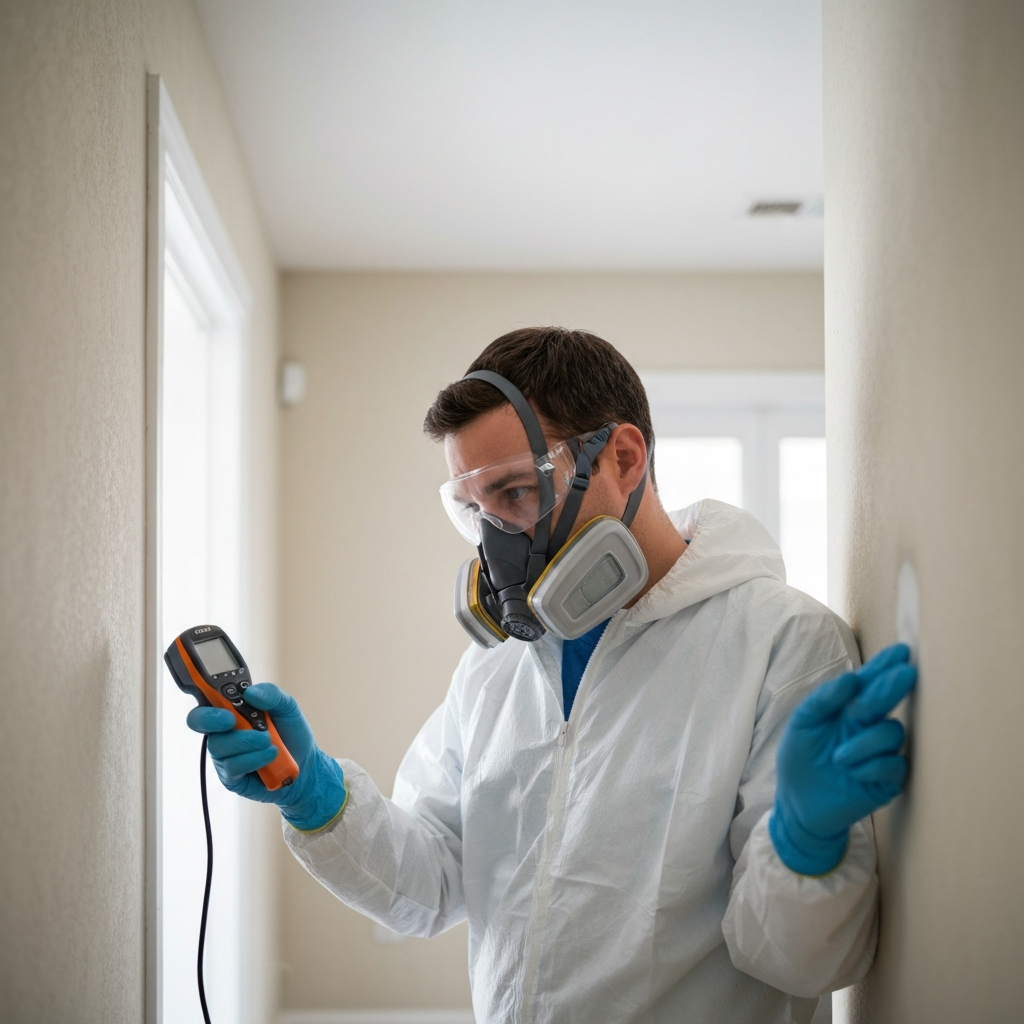
A professional mold inspection in Tampa in 2026 is designed to be a systematic process. While the exact steps can vary slightly between companies, a comprehensive inspection generally involves the following:
- Initial Consultation and Questionnaire: The inspector will often start by discussing your concerns, any known water damage, and any health symptoms you or other occupants may be experiencing. You might be asked to fill out a questionnaire detailing the property’s history and any specific areas of concern.
- Visual Inspection: This is the core of the assessment. The inspector will systematically examine all accessible areas of the property, looking for visible signs of mold growth, water stains, or moisture intrusion. This includes:
- Bathrooms and kitchens (around sinks, tubs, showers, toilets, under sinks)
- Basements and crawl spaces
- Attics and roofs
- Walls and ceilings (especially those adjacent to plumbing or exterior walls)
- Windows and doors
- HVAC systems (filters, ducts, drip pans)
- Areas with known past water damage
- Moisture Detection: Inspectors use tools like moisture meters (penetrating and non-penetrating) and hygrometers to measure relative humidity levels and detect moisture content in building materials. This helps identify areas where mold could be growing or where future growth is likely.
- Thermal Imaging (Optional but Recommended): A thermal camera can reveal temperature anomalies on surfaces, indicating hidden moisture within walls or ceilings that are not visible to the naked eye.
- Air Sampling (If Necessary): If mold is suspected but not visible, or if occupants have health concerns, air samples are collected from various locations within the home and from outside for comparison. This helps determine if indoor air quality is being affected by mold spores.
- Surface Sampling (If Necessary): Swabs or tape lifts are used to collect samples from suspect surfaces. This can help identify specific types of mold and confirm its presence, especially in areas where visual identification is difficult.
- Documentation and Reporting: The inspector will meticulously document their findings with notes, photographs, and data from their instruments. A detailed report is then generated, outlining the inspection process, findings, potential sources of moisture, and recommendations. If samples were taken, the report will include the laboratory results.
- Recommendations: Based on the findings, the inspector will provide recommendations for remediation (mold removal) and prevention strategies. They may recommend specific professional remediation companies, or if the mold is minor and contained, they might suggest DIY solutions (though professional remediation is often advised for significant infestations).
Understanding the Reports and Recommendations

The report you receive from a mold inspection is crucial. It’s not just a bill; it’s a diagnostic tool. A good report will be clear, concise, and easy to understand, even for someone without a background in environmental science. Key elements of a mold inspection report include:
- Executive Summary: A brief overview of the findings and conclusions.
- Property Description: Details about the property inspected, including its size and the areas examined.
- Methodology: A description of the inspection techniques and equipment used.
- Visual Findings: Detailed descriptions and photographic evidence of any visible mold growth, water damage, or moisture issues.
- Environmental Data: Readings from moisture meters, hygrometers, and any thermal imaging results.
- Laboratory Analysis Results: If samples were taken, this section will detail the types and concentrations of mold spores found, along with comparisons to outdoor air samples.
- Conclusions: The inspector’s professional opinion on the presence, extent, and potential causes of mold growth.
- Recommendations: Specific advice on how to address the mold problem, including remediation steps, moisture control measures, and potential repairs.
It’s important to note that mold inspectors are typically not mold remediators. Their job is to identify and assess the problem. While some companies may offer both services, it’s often recommended to use a separate company for remediation to avoid any conflict of interest. The inspector’s report should provide objective findings and unbiased recommendations.
When to Consider a Mold Inspection in Tampa
Given Tampa’s climate, several situations warrant a professional mold inspection:
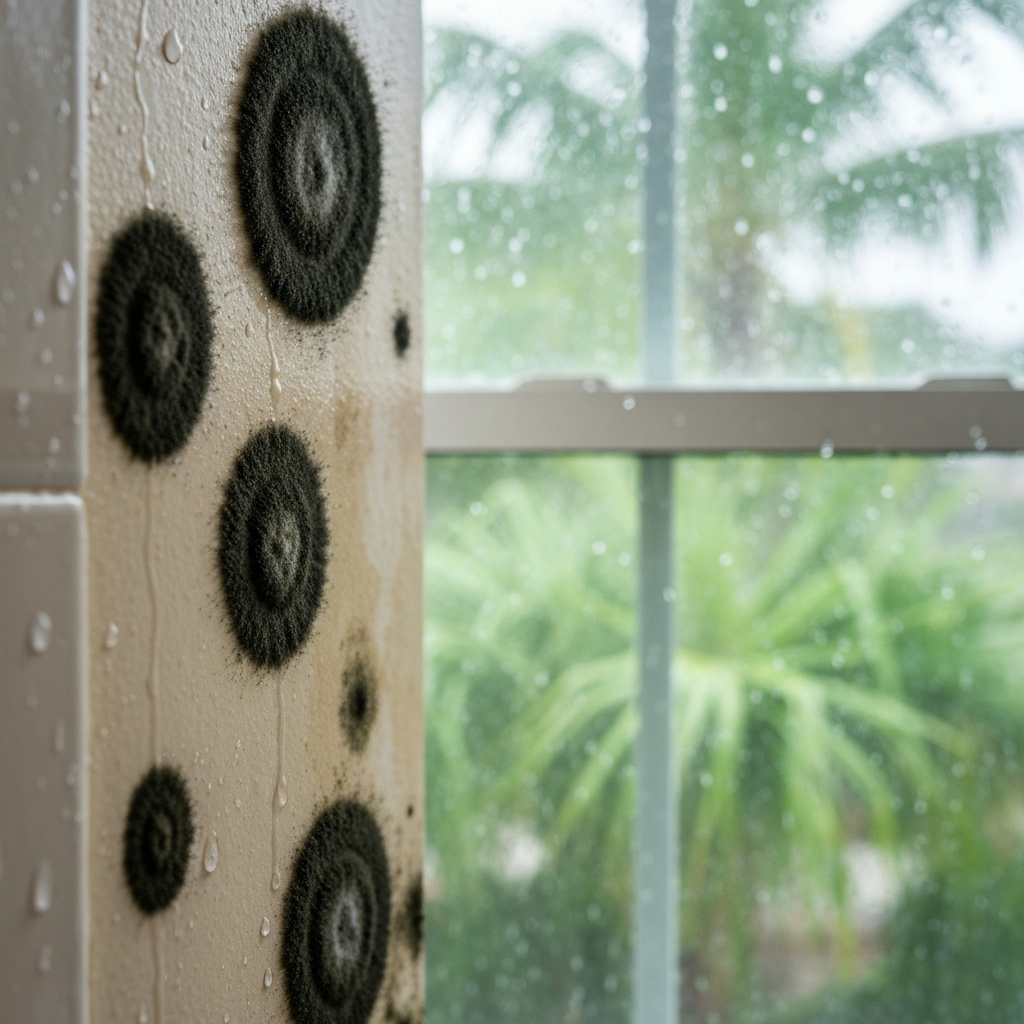
- Visible Mold Growth: If you see mold, even a small amount, it’s wise to get it professionally assessed. Mold can spread rapidly, and what you see might only be the tip of the iceberg.
- Musty Odors: A persistent musty smell, especially in specific areas of your home, is a strong indicator of hidden mold. The odor is caused by volatile organic compounds (VOCs) released by mold.
- History of Water Damage: If your property has experienced flooding, leaks (from roofs, plumbing, or windows), or high humidity events, a mold inspection is a proactive step. Even after visible water has dried, residual moisture can lead to mold growth behind walls or under flooring.
- New Home Purchase: Before buying a property in Tampa, a mold inspection should be a standard part of your due diligence. It can uncover existing problems that could become costly to fix later.
- Health Concerns: If you or your family members are experiencing unexplained allergy-like symptoms, respiratory issues, headaches, or fatigue that seem to improve when you leave the house, mold exposure could be the cause.
- After Renovation or Construction: Sometimes, construction activities can disturb existing mold or create conditions conducive to mold growth.
- Routine Maintenance: For peace of mind, especially in older homes or those with a history of moisture issues, a periodic mold inspection (e.g., every 2-3 years) can be beneficial.
Choosing a Reputable Mold Inspector in Tampa
Selecting the right mold inspector is as important as the inspection itself. Here’s what to look for:
- Certifications and Training: Look for inspectors certified by reputable organizations like NORMI, IICRC, or the American Council for Accredited Certification (ACAC).
- Experience: How long has the company been in business? Do they specialize in mold inspections?
- Insurance: Ensure the inspector carries adequate liability insurance.
- Methodology: Ask about their inspection process. Do they use specialized equipment? Do they offer air and surface sampling?
- Laboratory Accreditation: If they perform sampling, ensure they use an accredited, independent laboratory.
Independence: As mentioned, consider inspectors who only* perform inspections and do not offer remediation services. This ensures unbiased assessments.
- Reviews and References: Check online reviews and ask for references from past clients.
- Clear Reporting: Ask to see a sample report to ensure it is comprehensive and easy to understand.
- Written Estimate: Always get a written estimate detailing the scope of work and associated costs before the inspection begins.
Mold Remediation Costs in Tampa (A Brief Overview)
While this article focuses on inspection costs, it’s worth noting that mold remediation (removal) is a separate and often more expensive process. The cost of remediation can vary wildly, from a few hundred dollars for a small, easily accessible area to tens of thousands of dollars for extensive infestations affecting large portions of a building. Factors influencing remediation costs include:
- Extent of Mold Growth: The more mold there is, the more labor and materials are needed.
- Type of Mold: Some molds are more difficult to remove than others.
- Location of Mold: Mold in inaccessible areas (inside walls, HVAC systems) is more expensive to remediate.
- Affected Materials: Removing and replacing contaminated building materials (drywall, insulation, carpet) adds significant cost.
- Containment and Safety Measures: Professional remediation involves setting up containment barriers and using personal protective equipment, which adds to the labor cost.
- Post-Remediation Testing: Often, post-remediation verification testing is done to ensure the mold has been successfully removed, adding another layer of cost.
A mold inspection report will typically provide an estimate or guidance on the potential scope and cost of remediation, but a separate remediation company will need to provide a formal quote.
Frequently Asked Questions About Mold Inspections in Tampa
Here are some common questions homeowners and property managers in Tampa have about mold inspections:
What is the average cost of a mold inspection in Tampa in 2026?
In 2026, the average cost for a mold inspection in Tampa typically ranges from $300 to $1,000. Basic visual inspections fall on the lower end, while comprehensive assessments involving air sampling, surface testing, and laboratory analysis will be at the higher end or even exceed $1,000 for very large or complex properties.
Does my homeowner’s insurance cover mold inspections in Tampa?
Generally, standard homeowner’s insurance policies in Tampa do not cover mold inspections or remediation resulting from gradual, long-term moisture issues or general neglect. However, if the mold is a direct result of a covered peril, such as a sudden and accidental plumbing leak or a storm-related event, your insurance might cover the inspection and subsequent remediation costs. It is crucial to review your specific policy details and consult with your insurance provider.
What is the difference between a mold inspection and mold testing?
A mold inspection is a visual examination of a property to identify potential mold growth, assess moisture sources, and evaluate areas of concern. Mold testing (or sampling) is a component that may be included in an inspection, where air or surface samples are collected and sent to a laboratory for analysis to identify and quantify mold types and levels. An inspection looks for the potential problem, while testing confirms and measures the presence of mold.
Can I do a DIY mold inspection, or is a professional necessary?
For very minor, visible mold on non-porous surfaces, you might be able to address it yourself after confirming it’s not a widespread issue. However, for suspected hidden mold, musty odors, or if you or occupants have health concerns, a professional inspection is highly recommended. Professionals have the training, equipment (like moisture meters and thermal cameras), and knowledge to accurately assess the extent of the problem, identify hidden sources, and provide objective reports, which is crucial for effective remediation.
How long does a mold inspection take in Tampa?
A typical mold inspection can take anywhere from 2 to 4 hours for a standard-sized single-family home. The duration depends on the size of the property, the number of areas requiring thorough examination, and whether air or surface samples are being collected. More complex properties or those with extensive suspected issues may require more time.
What should I do if a mold inspection reveals a problem?
If a mold inspection reveals a mold issue, the first step is to carefully review the inspector’s report and recommendations. For significant mold growth, it is strongly advised to hire a professional mold remediation company for removal. The inspector’s report will guide the remediation process. Following remediation, it’s often recommended to conduct post-remediation verification testing to ensure the mold has been effectively removed. Additionally, addressing the underlying moisture source is critical to prevent future mold growth.
Conclusion
In 2026, understanding the cost of a mold inspection in Tampa is essential for any property owner. With prices ranging from $300 to over $1,000, the investment depends heavily on the property’s size, the thoroughness of the inspection, and the need for laboratory analysis. Given Tampa’s humid climate, proactive inspections are not a luxury but a necessity for maintaining a healthy living environment and protecting your property’s value. By choosing a reputable, certified inspector and understanding the factors that influence pricing, you can ensure a comprehensive assessment and take the necessary steps to address any mold concerns effectively. Investing in a professional mold inspection is an investment in your health, your home, and your peace of mind.