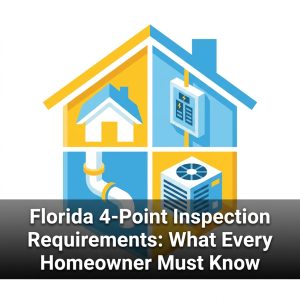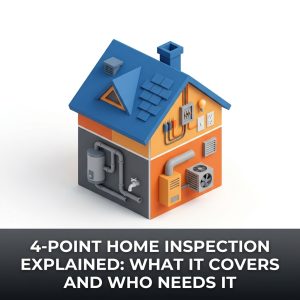
A 4-point inspection is a crucial step for many homeowners in Tampa, Florida, especially when seeking or renewing homeowners insurance. This inspection focuses on four key areas of a home: the roof, electrical system, plumbing system, and HVAC system. The findings significantly influence insurance premiums and eligibility. Understanding the cost associated with this inspection in Tampa for 2025 is vital for budgeting and planning.
The average cost for a 4-point inspection in Tampa, Florida, in 2025 typically ranges from $100 to $250. However, this price can fluctuate based on several factors, including the inspector’s experience, the size and complexity of the home, and the urgency of the inspection.
What is a 4-Point Inspection?
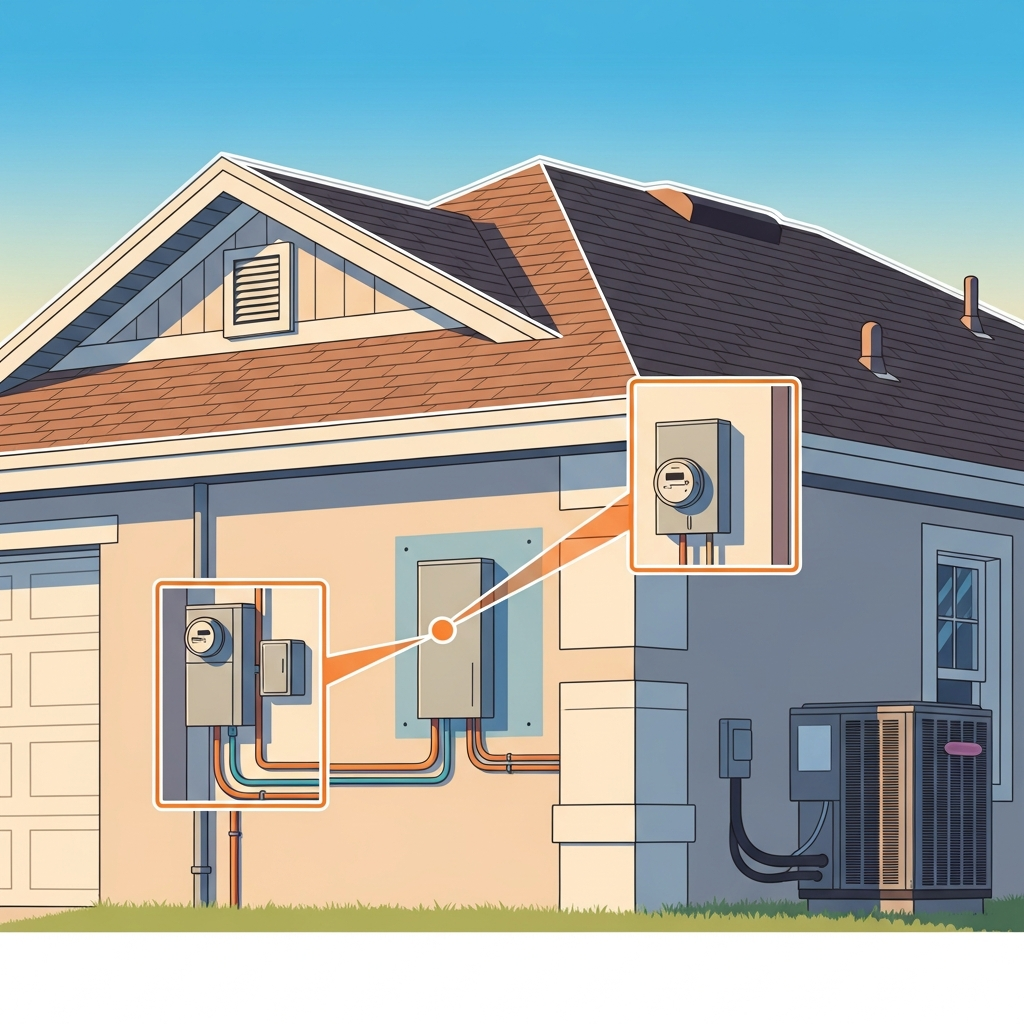
A 4-point inspection is a limited review of a property’s four major systems: electrical, plumbing, HVAC, and roofing. Insurance companies often require this inspection to assess the potential risk associated with insuring an older home. It does not cover the entire home but focuses specifically on these four areas to identify significant issues that could lead to insurance claims.
The inspection aims to ensure these systems are in good working order and do not pose an immediate threat. Insurance providers use the report to determine if a home meets their underwriting standards and to set appropriate premiums.
Why is a 4-Point Inspection Required?
Insurance companies require a 4-point inspection primarily to manage risk, especially for older homes. As homes age, their systems can deteriorate, increasing the likelihood of claims related to fire, water damage, or other hazards. By requiring this inspection, insurers can:
- Assess the Home’s Condition: They gain insight into the state of critical systems.
- Identify Potential Hazards: Inspectors look for issues like outdated wiring, leaky pipes, or old roofs that could cause damage.
- Determine Insurability: The report helps decide if the home can be insured and under what conditions.
- Set Premiums: The findings directly impact the cost of homeowners insurance.
Homes built before a certain year, often 30 years or older, are more likely to trigger this requirement. The inspection helps insurers avoid insuring properties with significant, unaddressed risks.
Key Components of a 4-Point Inspection
Each of the four points examined during the inspection has specific criteria the inspector evaluates. Understanding these components can help homeowners prepare for the inspection and anticipate potential findings.
Roof Inspection
The roof inspection assesses the age, condition, and remaining lifespan of the roofing material. Inspectors check for:
- Age of the Roof: Most insurance companies have specific age limits for roofs (e.g., 15-20 years for asphalt shingles).
- Damage: Missing shingles, cracks, curling, or signs of wear are noted.
- Leaks: Evidence of past or present water intrusion.
- Material Type: Some materials are considered more durable and insurable than others.
A roof nearing the end of its lifespan or showing significant damage can lead to higher premiums or denial of coverage.
Electrical System Inspection
This part of the inspection focuses on the safety and functionality of the home’s electrical wiring and components. Inspectors examine:
- Panel Type: Identifying older, potentially hazardous panels like Federal Pacific Electric (FPE) or Zinsco.
- Wiring Type: Checking for outdated knob-and-tube wiring or aluminum wiring, which are often flagged as risks.
- Circuit Breakers/Fuses: Ensuring they are functioning correctly and properly sized.
- Visible Wiring Condition: Looking for frayed wires, improper connections, or overloaded circuits.
Outdated or unsafe electrical systems are a major concern for insurers due to the fire risk they present.
Plumbing System Inspection
The plumbing inspection evaluates the condition of the water supply and drainage systems. Key areas include:
- Pipe Material: Identifying materials like copper, PEX, or older, problematic materials such as galvanized steel or polybutylene.
- Leaks: Checking for active leaks under sinks, around toilets, or in visible pipe sections.
- Water Heater: Assessing its age, condition, and presence of a drip pan.
- Drainage: Ensuring proper drainage to prevent water backups.
Leaking pipes and outdated plumbing can lead to significant water damage, a common and costly insurance claim.
HVAC System Inspection
The Heating, Ventilation, and Air Conditioning (HVAC) system inspection checks the age and condition of the furnace, air conditioner, and ductwork. Inspectors look for:
- Age of Units: Older HVAC systems may be less efficient and more prone to failure.
- Maintenance Records: Evidence of regular servicing can be a positive factor.
- Visible Condition: Checking for rust, leaks, or damage to the units.
- Functionality: Ensuring the system appears to be operating correctly.
A well-maintained HVAC system contributes to overall home safety and efficiency.
Factors Affecting 4-Point Inspection Costs in Tampa
While the average cost provides a baseline, several specific factors influence the final price of a 4-point inspection in Tampa in 2025.
Inspector’s Fees and Experience
- Experience Level: Highly experienced and certified inspectors may charge more due to their expertise and reputation.
- Geographic Location: Inspectors operating in prime Tampa areas might have slightly higher rates.
- Business Overhead: Larger inspection companies with more overhead might reflect those costs in their pricing.
Home Size and Age
- Square Footage: Larger homes naturally take more time to inspect, potentially increasing the cost.
- Age of the Property: Very old homes with complex systems might require more thorough examination, impacting the fee.
Urgency and Additional Services
- Expedited Service: Requesting a rush inspection for faster reporting typically incurs an additional fee.
- Add-on Services: Some inspectors offer additional services, like mold testing or detailed reports, at an extra charge.
Report Complexity
- Detailed Reports: Some insurance companies require highly detailed reports with extensive documentation and photographs, which can increase the inspection cost.
2025 Pricing Breakdown for Tampa 4-Point Inspections
Based on industry trends and local market analysis for 2025, here is a typical pricing structure for 4-point inspections in Tampa:
- Standard Inspection: $100 – $175. This covers a typical single-family home with standard systems and a straightforward report.
- Larger/Older Homes: $175 – $250. For properties exceeding 2,500 square feet or those with particularly old or complex systems requiring more time.
- Expedited Service: An additional $50 – $100 on top of the standard or complex home fee.
It is crucial to get quotes from multiple licensed and insured inspection companies in the Tampa area to compare prices and services.
Finding a Qualified Inspector in Tampa
Choosing the right inspector is as important as understanding the cost. A qualified inspector ensures an accurate report that meets insurance company requirements.
Licensing and Certification
- State Licensing: Ensure the inspector holds the necessary licenses required by the state of Florida.
- Professional Certifications: Look for certifications from reputable organizations like the American Society of Home Inspectors (ASHI) or InterNACHI.
Insurance and Bonding
- Liability Insurance: A qualified inspector carries liability insurance to protect both themselves and the homeowner.
- Bonding: Some inspectors are bonded, providing an additional layer of financial protection.
Reviews and References
- Online Reviews: Check platforms like Google, Yelp, or Angie’s List for reviews from previous clients.
- Referrals: Ask real estate agents, insurance agents, or friends for recommendations.
For homeowners in the Tampa Bay area, resources like Tampa Inspecting can provide information on local inspection services.
What Happens After the Inspection?
Once the inspection is complete, the inspector compiles a detailed report, typically including:
- Findings: A clear summary of the condition of the roof, electrical, plumbing, and HVAC systems.
- Photographs: Visual evidence supporting the findings.
- Recommendations: Suggestions for repairs or upgrades if issues are identified.
- Insurance Company Approval: The report is submitted to the insurance company for underwriting.
If the inspection reveals significant issues, the insurance company may:
- Require Repairs: Mandate that certain repairs be completed before issuing or renewing the policy.
- Increase Premiums: Charge higher rates due to the identified risks.
- Deny Coverage: Refuse to insure the property if the risks are too high.
Addressing any identified issues promptly can help secure favorable insurance terms.
Common Concerns and FAQs
Homeowners often have questions about the 4-point inspection process and its costs.
How long does a 4-point inspection typically take?
A standard 4-point inspection usually takes between 30 minutes to an hour. The duration depends on the size of the home, the accessibility of the systems, and the inspector’s thoroughness. Inspectors need sufficient time to document the condition of each of the four key areas.
Does a 4-point inspection cover the entire house?
No, a 4-point inspection is limited in scope. It specifically examines only the roof, electrical system, plumbing system, and HVAC system. It does not evaluate other aspects like the foundation, pests, or general structural integrity of the home.
Can I do a 4-point inspection myself?
A 4-point inspection must be performed by a qualified, licensed inspector. Insurance companies require a professional report. While homeowners can identify obvious issues, they cannot substitute a professional inspection needed for insurance purposes.
What if my 4-point inspection fails?
If the inspection reveals issues that prevent insurance approval, the homeowner typically needs to address those problems. This may involve making necessary repairs or upgrades to the identified systems. Once repairs are completed, a re-inspection might be required, potentially incurring additional fees.
Are there any hidden fees with 4-point inspections?
Reputable inspectors are transparent about their fees. The primary costs are for the inspection itself and potentially for expedited service. Always confirm the total cost upfront and ask about any potential additional charges before scheduling the inspection.
What is the difference between a 4-point inspection and a general home inspection?
A general home inspection is a comprehensive evaluation of a property’s overall condition, covering hundreds of components. A 4-point inspection is a specialized, limited assessment focused solely on four critical systems for insurance purposes. A general inspection is recommended for buyers before purchasing a home, while a 4-point inspection is often required by insurers for older properties.
Key Takeaways
- Average Cost: Expect to pay between $100 and $250 for a 4-point inspection in Tampa in 2025.
- Insurance Requirement: This inspection is commonly required by insurance companies for older homes to assess risk.
- Four Systems: The inspection covers the roof, electrical, plumbing, and HVAC systems.
- Cost Factors: Pricing varies based on inspector fees, home size, age, and service urgency.
- Qualified Inspector: Always choose a licensed, insured, and reputable inspector.
- Report Impact: The inspection report significantly influences insurance eligibility and premiums.
- Address Issues: Promptly fixing identified problems can improve insurance outcomes.
Conclusion
Understanding the cost and scope of a 4-point inspection in Tampa for 2025 empowers homeowners to navigate the insurance process effectively. While the investment of $100 to $250 is necessary for many, it provides crucial information for both homeowners and insurers. By selecting a qualified inspector and addressing any identified system deficiencies, homeowners can secure the necessary insurance coverage and protect their property investment. Planning for this expense as part of homeownership, particularly for older properties, ensures a smoother insurance application and renewal experience.