Introduction
Florida homeowners face unique challenges when it comes to securing affordable home insurance. Between hurricanes, high humidity, and aging housing stock, insurers want to know the condition of your property before approving or renewing a policy. That’s where home inspections come in.
Two of the most common types are the 4-point inspection and the full home inspection. Many Florida insurers also request a wind mitigation inspection to measure how storm-ready your property is.
This guide by Tampa Home Inspections explains the differences, costs, and insurance benefits of each inspection type. We’ll also answer the key question most Florida homeowners ask: Should I get both a 4-point and a wind mitigation inspection, and how do they affect insurance rates?
What Is a Home Inspection and Why Florida Homeowners Need It
A home inspection is a professional evaluation of a property’s condition. For buyers, it reveals potential problems before closing on a house. For homeowners, it highlights maintenance needs and provides reassurance about safety and value.
In Florida, home inspections also play a major role in insurance eligibility. Many carriers won’t issue or renew a policy without proof that a property meets minimum safety standards. With insurance premiums already among the highest in the nation, inspections are often the only way to qualify for coverage or unlock discounts.
You may also read: The Ultimate Guide to Home Inspection in Tampa, Florida
What Is a 4-Point Inspection in Florida and When Is It Required?
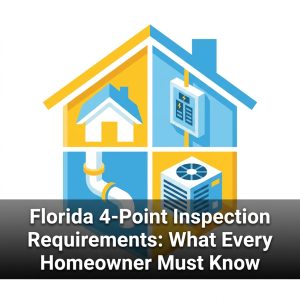
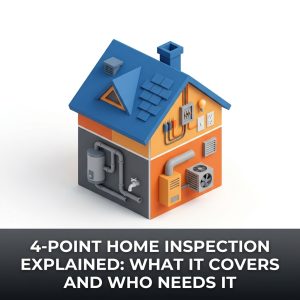
A 4-point inspection in Florida is a focused evaluation of four key systems that impact insurance coverage:
1. Roof
2. Electrical system
3. Plumbing system
4. HVAC system (heating, ventilation, and air conditioning)
Insurance companies usually require this inspection when a home is 20 years old or more. Some carriers may also request it for newer homes that have been vacant or contain outdated components.
For instance, a Tampa home with a 25-year-old shingle roof would almost always need a 4-point inspection before an insurer agrees to renew coverage.
You may also read: What Is A Four-Point Inspection In Florida?
What Does a 4-Point Inspection Cover?
A 4-point inspection in Florida looks only at four systems that carry the highest risk for insurance claims. Each one gives insurers a clear picture of whether the home is safe to insure.
Roof
Inspectors check the age, material, and condition of the roof. Shingle roofs over twenty years old or metal roofs past forty often raise concerns. Signs of sagging, missing shingles, or leaks may cause insurers to deny coverage, especially in Florida where storms and heavy rain are common.
Electrical System
The electrical system is reviewed to make sure it is safe and up to code. Older wiring types such as knob-and-tube or aluminum can be flagged immediately, and panels are checked for safety issues. Because many house fires begin with faulty wiring, this part of the inspection strongly influences insurance decisions.
Plumbing System
Plumbing is evaluated for pipe materials, leaks, and signs of wear. Homes with polybutylene piping or visible water damage are considered high risk. Since plumbing failures often lead to expensive insurance claims, insurers rely heavily on this part of the report.
HVAC System
Finally, the inspector examines the heating and cooling system. They look at the unit’s age, condition, and whether it operates safely. In Florida’s humid climate, an HVAC system that is outdated or not functioning properly can create serious problems for both comfort and coverage.
How Does a Full Home Inspection Differ from a 4-Point?
Unlike the 4-point inspection, a full home inspection is comprehensive. It evaluates:
- Foundation and structure
- Exterior and site drainage
- Roof and attic
- Electrical, plumbing, and HVAC systems
- Windows, doors, and safety features
- Built-in appliances, stairs, and fireplaces
A full inspection can take 2–3 hours depending on property size and produces a detailed report with photos.
Comparison
| Feature | 4-Point Inspection | Full Home Inspection |
| Focus | Roof, Electrical, Plumbing, HVAC | Entire home (structural + systems) |
| Purpose | Insurance eligibility | Buyer due diligence / safety |
| Duration | 45–60 minutes | 2–3 hours |
| Cost | $150–$250 | $300–$500 |
| Report | Short, insurer-focused | Detailed, includes safety & maintenance |
Wind Mitigation vs. 4-Point Inspection: Should You Get Both?
Both 4-point inspections and wind mitigation inspections are common in Florida, but they serve different roles. Seeing them side by side makes the differences clear.
4-Point Inspection
This inspection is designed for insurance eligibility. It looks only at four systems: roof, plumbing, electrical, and HVAC. Insurers use it to decide if a home is too risky to cover, especially older properties. A 4-point report rarely lowers premiums, but without it, many homes cannot qualify for coverage.
Wind Mitigation Inspection
This inspection focuses on hurricane resistance. Inspectors check roof shape and age, roof-to-wall connections, impact-resistant windows, doors, and storm shutters. Unlike the 4-point, this one can directly lower costs. Florida law requires insurers to offer discounts for proven wind-resistant features.
Comparison Made Simple
The 4-point inspection answers “Can this home be insured?” while the wind mitigation inspection answers “How much will the insurance cost?” Most homeowners benefit from scheduling both: the 4-point secures coverage, and the wind mitigation inspection may reduce premiums by up to 40 percent.
You may also read: Clarifying the Misconception – Does a 4-Point Inspection Cover Wind Mitigation?
Why Insurance Companies Often Require a 4-Point Inspection?
Insurance companies in Florida use 4-point inspections to manage risk. They want to avoid major claims from old roofs, faulty wiring, leaking plumbing, or failing HVAC systems.
- Eligibility vs. Discounts – A 4-point inspection decides if your home qualifies for coverage, but it doesn’t directly lower your premium.
- Premium Impact – The inspection itself won’t cut rates, but fixing flagged issues can lead to better coverage and sometimes reduced costs.
- Policy Renewal – For older homes, most insurers in Florida require an updated 4-point inspection before renewing your policy.
A current 4-point inspection helps prove your home is safe and keeps your insurance coverage secure.
You may also read: Is a 4‑Point Inspection Required for Newer Homes in Florida?
Costs, Report Validity, and Who Pays for Inspections?
Inspection costs in Florida vary depending on type and purpose. Each serves a different role in protecting your home and meeting insurance requirements.
- 4-Point Inspection – Typically $150–$250, and often cheaper when bundled with a full inspection.
- Wind Mitigation Inspection – Around $100–$150, a small investment that can lead to major insurance discounts.
- Full Home Inspection – Usually $300–$500, with higher costs for large or older homes.
- Report Validity – Most insurers accept reports under 12 months old, though some allow up to three years.
- Who Pays? – Homeowners or buyers usually cover the cost. In real estate transactions, the buyer almost always pays.
Understanding these costs upfront helps homeowners budget wisely and avoid delays in securing insurance coverage.
How to Prepare for a 4-Point Inspection in Florida?
Preparing ahead helps avoid issues that could delay insurance approval. Service the HVAC system, replace filters, and test smoke detectors and outlets to confirm everything is safe and functional.
Address small repairs before the inspection. Fix roof problems like missing shingles and take care of plumbing leaks under sinks or toilets. Even minor issues can show up in the report and raise concerns with insurers.
Keep maintenance records and permits ready to show proof of upgrades. This simple preparation makes the inspection process smoother and reduces the chance of delays with your homeowners insurance.
What to Expect During the Inspection Process and Report Delivery
The inspection itself usually takes under an hour for the 4-point and up to three hours for a full home inspection.
Homeowners can expect:
- Walkthrough of the property by a licensed inspector.
- Photographs of all systems reviewed.
- Written report delivered within 24–48 hours.
Insurers use the report to decide coverage eligibility. If problems are found, you may need to complete repairs before a policy can be issued or renewed.
You may also read: Your Home Inspection Checklist -What to Ask and Expect as a Buyer
How Inspections Protect Your Home and Your Insurance Coverage
Regular inspections do more than satisfy insurers. They also:
- Provide peace of mind that your home is safe.
- Identify small issues before they turn into costly repairs.
- Help secure homeowners insurance in Florida despite strict requirements.
- Offer potential savings through wind mitigation discounts.
For buyers, combining a full home inspection with required insurance inspections ensures both financial and safety protection.
Conclusion
Florida homeowners often wonder whether inspections are just another expense. The truth is, a 4-point inspection, wind mitigation inspection, and full home inspection each serve a valuable purpose. Together, they help you qualify for coverage, protect your investment, and potentially reduce premiums.
Key Takeaway
- 4-point inspections are required for insurance eligibility on older homes.
- Wind mitigation inspections often deliver real insurance discounts.
- Full home inspections are essential when buying a property.
- Scheduling both a 4-point and wind mitigation inspection is the smartest move for most Florida homeowners.
FAQs
1. What is the difference between a 4-point inspection and a full home inspection in Florida?
A 4-point inspection covers only the roof, electrical system, plumbing, and HVAC system for insurance eligibility. A full home inspection reviews the entire property, giving homeowners a full inspection report on structure, safety, and maintenance when buying a home.
2. Does every Florida insurance company require a 4-point inspection?
Most insurance companies require a four-point inspection for an older home that is 20 years old or more. Some insurers request this type of inspection even for newer homes, as insurance companies often set stricter standards.
3. How much does a 4-point inspection cost and how long is it valid?
A 4-point inspection usually costs $150–$250. Most insurers accept reports for one year, though some extend insurance coverage up to three years depending on the insurance policy.
4. Does Citizens Insurance require a 4-point inspection?
Yes. Citizens, Florida’s state-backed insurer, requires homeowners to get a 4-point inspection on any older home before offering homeowners insurance. A licensed home inspector must confirm the condition of the major systems.
5. Should I also schedule a wind mitigation inspection to lower premiums?
Yes. Unlike a 4-point inspection, a wind mitigation inspection affects insurance coverage rates. It can help homeowners save on homeowners insurance while also reducing risks like water damage during storms.