The average cost for a standard home inspection in Tampa, Florida, is $400 in 2026. However, this price can range from $300 to $600, depending on various factors such as the size of the property, the age of the home, and additional services requested. Understanding these costs is crucial for both buyers and sellers navigating the Tampa real estate market. A thorough home inspection provides a detailed overview of a property’s condition, identifying potential issues before a sale is finalized.
Why Are Home Inspections Essential in Tampa?
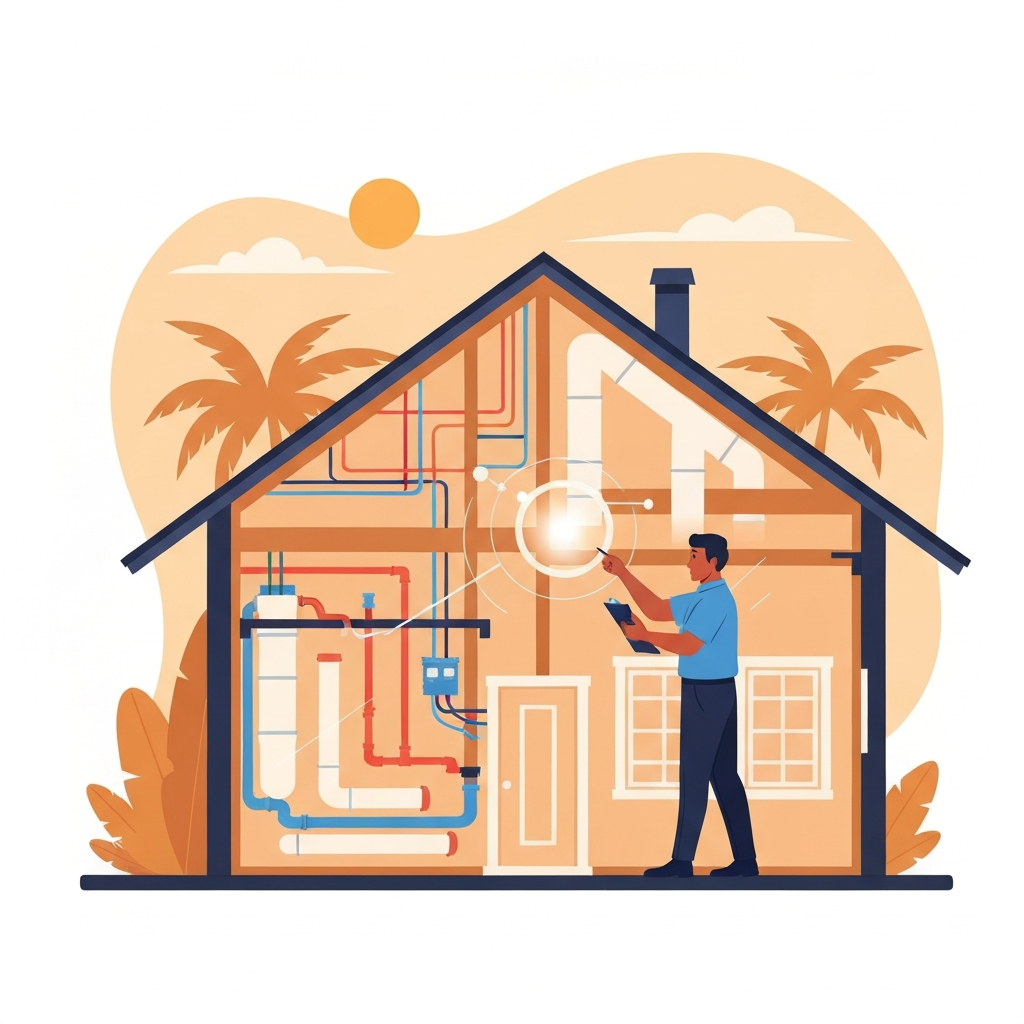
Home inspections are a vital step in the real estate transaction process, particularly in a dynamic market like Tampa. They offer an unbiased assessment of a property’s structural and functional integrity. For buyers, an inspection report can reveal hidden defects, saving them from costly future repairs and providing leverage for price negotiations. For sellers, a pre-listing inspection can identify and address issues upfront, leading to a smoother and faster sale. In Florida, where the climate presents unique challenges like hurricanes and high humidity, a comprehensive inspection is even more critical.
What Does a Standard Home Inspection Cover?
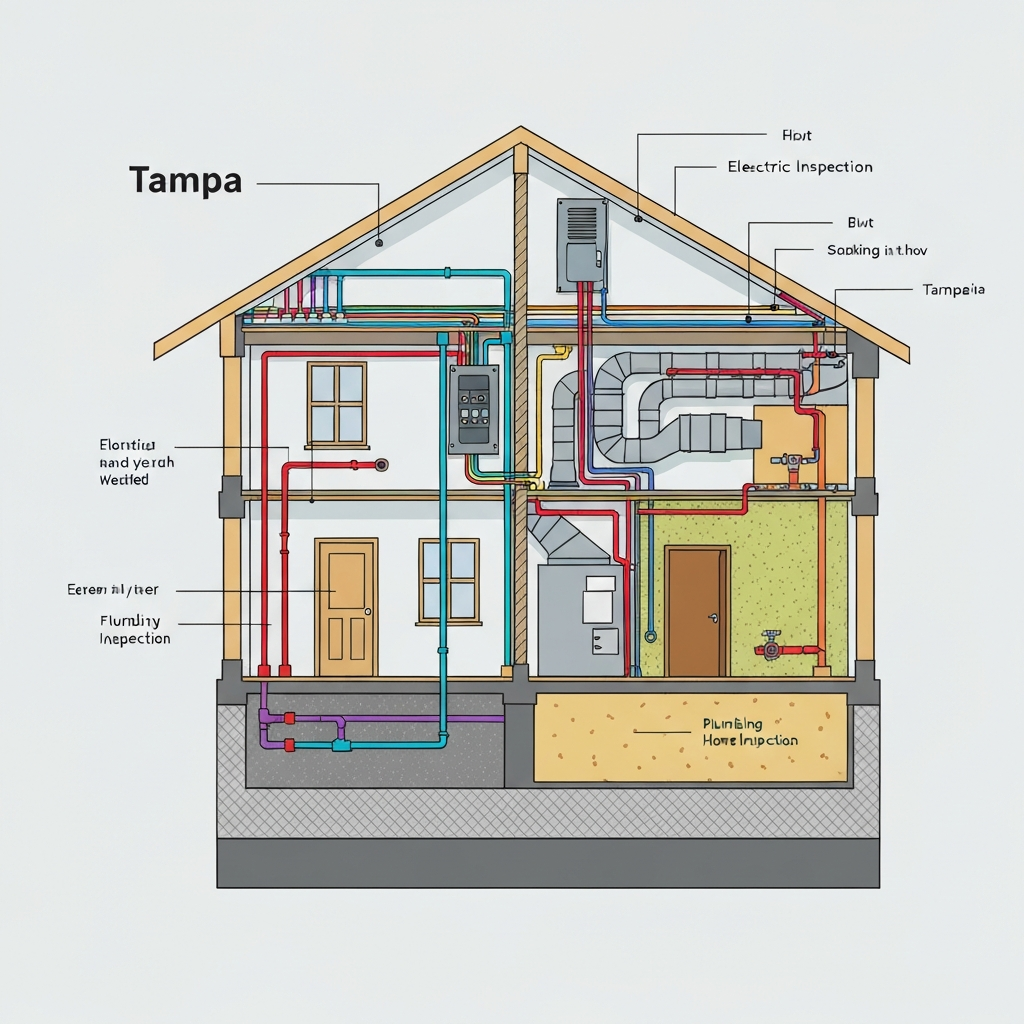
A standard home inspection in Tampa typically examines the major systems and components of a residential property. Inspectors follow industry standards, often adhering to those set by organizations like the American Society of Home Inspectors (ASHI) or the International Association of Certified Home Inspectors (InterNACHI). The goal is to provide a visual survey of the home’s condition on the day of the inspection.
Key areas typically included in a standard inspection are:
- Structural Components: Foundation, walls, floors, ceilings, roof framing, and support structures.
- Exterior: Siding, windows, doors, decks, patios, driveways, and grading around the property.
- Roof: Shingles, flashing, gutters, downspouts, and chimneys.
- Plumbing System: Water supply lines, drains, vents, faucets, fixtures, water heater, and visible pipes.
- Electrical System: Service panel, breakers, fuses, wiring, outlets, switches, and light fixtures.
- Heating, Ventilation, and Air Conditioning (HVAC) Systems: Furnace, air conditioner, ductwork, and thermostats.
- Interior: Walls, ceilings, floors, doors, windows, stairs, railings, and countertops.
- Insulation and Ventilation: Attic insulation, ventilation, and crawl space conditions.
- Fireplace and Chimneys: Visible components and proper draft.
Factors Influencing Home Inspection Costs in Tampa
Several variables contribute to the final cost of a home inspection in Tampa. Understanding these factors can help prospective clients budget effectively and choose the right service for their needs.
Property Size and Square Footage
The most significant factor affecting inspection cost is the size of the home. Larger homes require more time and effort to inspect thoroughly. Inspectors often charge a base rate for a standard-sized home (e.g., 1,500-2,000 sq ft) and add a per-square-foot fee for properties exceeding that threshold. In Tampa, expect to pay an additional $0.10 to $0.20 per square foot for homes larger than the base coverage. For example, a 3,000 sq ft home might cost $100-$200 more than a 1,500 sq ft home.
Age of the Property
Older homes, particularly those built before 1978, often present more potential issues due to wear and tear, outdated systems, or the presence of hazardous materials like lead paint or asbestos. Inspectors may charge a premium for older properties because they require more detailed examination and specialized knowledge. A home built in the 1950s might incur a slightly higher inspection fee than a newly constructed home of the same size.
Location and Accessibility
While Tampa is a relatively uniform metropolitan area, specific location factors can influence cost. For instance, homes in remote areas or those with difficult access (e.g., steep driveways, overgrown vegetation) might incur travel surcharges. However, within the core Tampa Bay area, location is typically less of a cost driver than property size or age.
Type of Property
The cost can also vary slightly based on the property type. A single-family home is the standard. However, inspecting townhouses or condominiums might differ. While the core systems are similar, condo inspections often focus more on the interior unit and the common elements visible from the unit, with less emphasis on the exterior building envelope and roof, potentially leading to a slightly lower cost. Conversely, inspecting multi-unit dwellings or commercial properties falls outside the scope of a standard residential inspection and will be priced significantly higher.
Additional Services and Specialized Inspections
Beyond the standard visual inspection, clients can opt for specialized services, which add to the overall cost. These often involve more in-depth assessments or testing for specific concerns.
Common add-on services in Tampa include:
- Mold Inspection: Testing for mold presence and assessing its severity. Costs can range from $250-$500 for a standalone inspection or as an add-on.
- Termite Inspection (WDO – Wood-Destroying Organisms): Required by most lenders, this inspection checks for termites and other wood-destroying insects. Typically costs $75-$150 when added to a standard inspection.
- Pool and Spa Inspection: Assessing the condition of swimming pools, spas, pumps, heaters, and surrounding areas. This might add $100-$200 to the inspection fee.
- Septic System Inspection: For homes not connected to a municipal sewer system, inspecting the septic tank and drain field. This can cost $200-$400.
- Well Water Testing: Testing the quality and safety of water from a private well. Costs vary based on the tests performed, generally $150-$400.
- Infrared (Thermal) Imaging: Using thermal cameras to detect insulation deficiencies, moisture intrusion, or electrical hot spots. This adds $100-$300.
- Drone Inspection: Utilizing drones for roof inspections, especially on steep or high roofs, can add $50-$150.
Average Cost Breakdown for Home Inspections in Tampa (2026)
To provide a clearer picture, here’s an estimated cost breakdown for various scenarios in Tampa for 2026:
| Property Type/Size | Estimated Cost Range | Notes |
|---|---|---|
| Standard Single-Family Home | $300 – $500 | Approx. 1,500-2,000 sq ft, 10-20 years old. |
| Larger Single-Family Home | $450 – $700 | Approx. 2,500-3,500 sq ft. |
| New Construction | $350 – $550 | May include a “pre-drywall” inspection phase. |
| Townhouse/Condo | $250 – $450 | Focus on interior unit and visible common elements. |
| Older Home (>30 years) | $400 – $650 | Increased complexity and potential for issues. |
| Add-on: WDO Inspection | $75 – $150 | Often required by lenders. |
| Add-on: Mold Test | $250 – $500 | Visual inspection and basic sampling. Lab analysis extra. |
| Add-on: Pool/Spa | $100 – $200 | Inspection of pool equipment and structure. |
| Add-on: Septic System | $200 – $400 | For properties not on city sewer. |
Note: These are estimates for 2026 and can fluctuate based on the specific inspector and market conditions.
What is Included in the Inspection Fee?
The inspection fee covers the inspector’s time, expertise, travel, and the detailed report provided afterward. A professional home inspector in Tampa typically spends 2-4 hours on-site, depending on the property’s size and complexity. They meticulously examine each system, take notes, and document their findings with photographs.
The final report is a comprehensive document that usually includes:
- A summary of the inspection findings.
- Detailed descriptions of each inspected system and component.
- Photographic evidence of any defects or concerns.
- Recommendations for further evaluation by specialists if needed.
- Information on maintenance and potential future issues.
Most inspectors deliver the report electronically within 24-48 hours of the inspection. Some may offer same-day reports for an additional fee.
How to Choose a Home Inspector in Tampa
Selecting the right home inspector is as important as the inspection itself. Here are key considerations:
- Credentials and Certifications: Look for inspectors certified by reputable organizations like ASHI or InterNACHI. While Florida doesn’t mandate licensing for general home inspectors, certifications indicate a commitment to professional standards and ongoing education. Check if they have specific Florida-specific training or licenses if required for certain specialized services.
- Experience: An experienced inspector has likely encountered a wide range of property types and issues. Ask how long they have been inspecting homes in the Tampa area.
- Insurance: Ensure the inspector carries Errors & Omissions (E&O) insurance and general liability insurance. This protects both the client and the inspector.
- Reputation and Reviews: Check online reviews, testimonials, and ask for references. A good reputation within the local real estate community is a strong indicator of quality service.
- Scope of Services: Clarify exactly what the standard inspection includes and what the costs are for any additional services you might need.
- Report Clarity: Request a sample report to ensure it is easy to understand, detailed, and includes clear photographs.
- Interview Potential Inspectors: Don’t hesitate to call and speak with a few inspectors. Ask about their process, what they include, and their fees. This conversation can reveal a lot about their professionalism and communication style.
What Affects the Inspector’s Choice of Services?
Inspectors in Tampa tailor their services based on client needs and property specifics. A buyer purchasing a 10-year-old single-family home might opt for a standard inspection plus a WDO inspection. Conversely, someone buying a 50-year-old home with a pool and an older AC unit might request thermal imaging and a pool inspection in addition to the standard service. The inspector’s role is to provide a comprehensive assessment, and they will recommend additional services if they observe potential issues during the initial walk-through or based on the property’s known characteristics.
The Value Proposition: Why Paying for a Home Inspection is Worth It
While the cost of a home inspection might seem like an unnecessary expense, its value far outweighs the fee in most cases. A typical home inspection fee, around $400, is a small fraction of the overall cost of purchasing a home, which in Tampa can easily exceed $400,000 for a single-family residence.
Consider these benefits:
- Cost Savings: Identifying major issues like foundation problems, faulty electrical systems, or a failing roof can save buyers tens of thousands of dollars in repair costs. The inspection fee is a minimal investment compared to potential repair bills.
- Negotiation Power: A detailed inspection report can provide leverage during price negotiations. If significant defects are found, buyers can ask the seller to make repairs or reduce the purchase price accordingly.
- Safety Assurance: Inspectors check for safety hazards such as faulty wiring, improper ventilation, or structural weaknesses that could pose risks to occupants.
- Future Planning: The report provides insights into the expected lifespan of major systems (like HVAC or the roof), helping buyers budget for future replacements and maintenance.
- Peace of Mind: Knowing the condition of the property allows buyers to proceed with confidence, reducing anxiety about unforeseen problems.
Understanding the Inspection Report: Key Takeaways
After the inspection, you will receive a detailed report. It’s crucial to read this report carefully. Look for:
- Major Defects: These are significant issues that require immediate attention or substantial repair costs. Examples include structural damage, major water intrusion, or failing HVAC systems.
- Minor Defects: These are smaller issues that need repair or monitoring but are not critical. Examples might include a leaky faucet, cracked caulking, or minor cosmetic damage.
- Maintenance Items: The report might include recommendations for routine maintenance, such as cleaning gutters or servicing the AC unit.
- Safety Concerns: Any identified safety hazards will be clearly highlighted.
The inspector should be available to discuss the report with you, answer questions, and clarify any points.
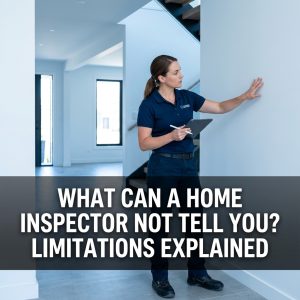
What a Home Inspection Does Not Cover
It’s important to understand the limitations of a standard home inspection. Inspectors typically:
- Do not inspect systems or components that are not visible or accessible.
- Do not perform destructive testing (e.g., digging up the yard to check underground pipes).
- Do not inspect cosmetic elements unless they indicate an underlying issue.
- Do not inspect for environmental hazards like radon, mold (unless specifically requested and tested for), or asbestos, although they may note visible signs.
- Do not inspect for code compliance or estimate repair costs.
- Do not predict the future performance or lifespan of systems, though they can comment on their current condition and age.
For specialized concerns, separate inspections by qualified professionals (e.g., structural engineers, licensed electricians, mold remediation specialists) are recommended.
Home Inspection Costs for New Construction in Tampa
New homes also require inspection. While many new builds are in excellent condition, issues can still arise. A pre-drywall inspection, performed before the interior walls are closed up, is highly recommended. This allows the inspector to check the framing, electrical wiring, plumbing, and HVAC installation before they are hidden. A final inspection, conducted before closing, covers the completed home.
The cost for new construction inspections in Tampa typically ranges from $350 to $550. A pre-drywall inspection might cost $200-$300, and the final inspection the remainder. Many inspectors offer a package deal for both.
Seller’s Perspective: Pre-Listing Inspections
Sellers can benefit significantly from a pre-listing home inspection. This proactive approach allows sellers to:
- Identify and address potential issues before listing the property, avoiding surprises during buyer negotiations.
- Gain a competitive edge by presenting a well-maintained home.
- Potentially achieve a higher selling price by demonstrating transparency and addressing defects upfront.
- Streamline the closing process by resolving known problems early on.
The cost is the same as for a buyer’s inspection, typically $300-$500 for a standard inspection.
The Role of WDO Inspections in Tampa
Wood-destroying organisms (WDOs), particularly termites, are a significant concern in Florida’s humid climate. Lenders often require a WDO inspection report as part of the mortgage process. This inspection focuses specifically on identifying evidence of termites, carpenter ants, powderpost beetles, and other wood-destroying insects.
A WDO inspection costs between $75 and $150 when added to a standard home inspection in Tampa. The inspector will check accessible areas for live insects, damage, and conducive conditions. If WDOs are found, the seller is typically responsible for treatment and repair.
Frequently Asked Questions About Home Inspection Costs in Tampa
Here are answers to common questions regarding home inspection costs in Tampa for 2026.
What is the average cost of a home inspection in Tampa?
The average cost for a standard home inspection in Tampa in 2026 is approximately $400. This price generally covers single-family homes up to 2,000 square feet and includes a visual examination of the major systems and components of the property.
Why do home inspection costs vary?
Home inspection costs vary due to factors like the size and age of the property, its location, the specific services included (e.g., WDO, mold testing, pool inspection), and the inspector’s experience and certifications. Larger or older homes typically command higher fees.
Is a home inspection required by law in Florida?
No, a home inspection is not legally required by the state of Florida for real estate transactions. However, it is a standard practice and often a condition set by mortgage lenders to ensure the property’s condition before approving a loan. Buyers typically request them to protect their investment.
Can the cost of a home inspection be negotiated?
While the base price for an inspection is generally set by the inspector, the overall cost can be influenced by the services you choose. You might negotiate a bundled price if you opt for multiple additional services (like WDO and mold testing) from the same inspector. However, outright negotiating the fee for a standard inspection is less common, as inspectors price their services based on time, expertise, and liability.
What is a WDO inspection, and how much does it cost in Tampa?
A WDO (Wood-Destroying Organisms) inspection specifically checks for termites and other wood-destroying insects. In Tampa, adding a WDO inspection to a standard home inspection typically costs between $75 and $150. This service is frequently required by mortgage lenders.
What additional services might increase the home inspection cost?
Additional services that increase the inspection cost include mold testing (adding $250-$500), pool and spa inspections (adding $100-$200), septic system inspections (adding $200-$400), and specialized testing like infrared thermal imaging (adding $100-$300). These services provide more in-depth assessments of specific property features.
Conclusion
Navigating the real estate market in Tampa requires careful planning and informed decision-making. The cost of a standard home inspection in 2026, averaging around $400, represents a wise investment for any homebuyer or seller. This fee covers a crucial evaluation of a property’s condition, offering protection against unforeseen expenses and providing valuable negotiation leverage.
By understanding the factors that influence inspection costs—such as property size, age, and the need for specialized services like WDO or mold testing—buyers and sellers can better budget for this essential step. Choosing a qualified, experienced, and reputable inspector is paramount to receiving a thorough and accurate assessment. While the initial cost may seem significant, the long-term savings and peace of mind gained from a comprehensive home inspection are invaluable, ensuring a smoother and more secure real estate transaction in Tampa.