Mobile homes, also known as manufactured homes, represent a significant portion of the housing market, offering affordability and quicker construction times. In 2026, understanding the nuances of a mobile home inspection is crucial for both buyers and sellers. This process differs from traditional site-built home inspections due to the unique construction methods and materials involved. A thorough inspection helps identify potential issues, inform negotiation, and ensure the home’s structural integrity and safety.
What is a Mobile Home Inspection?
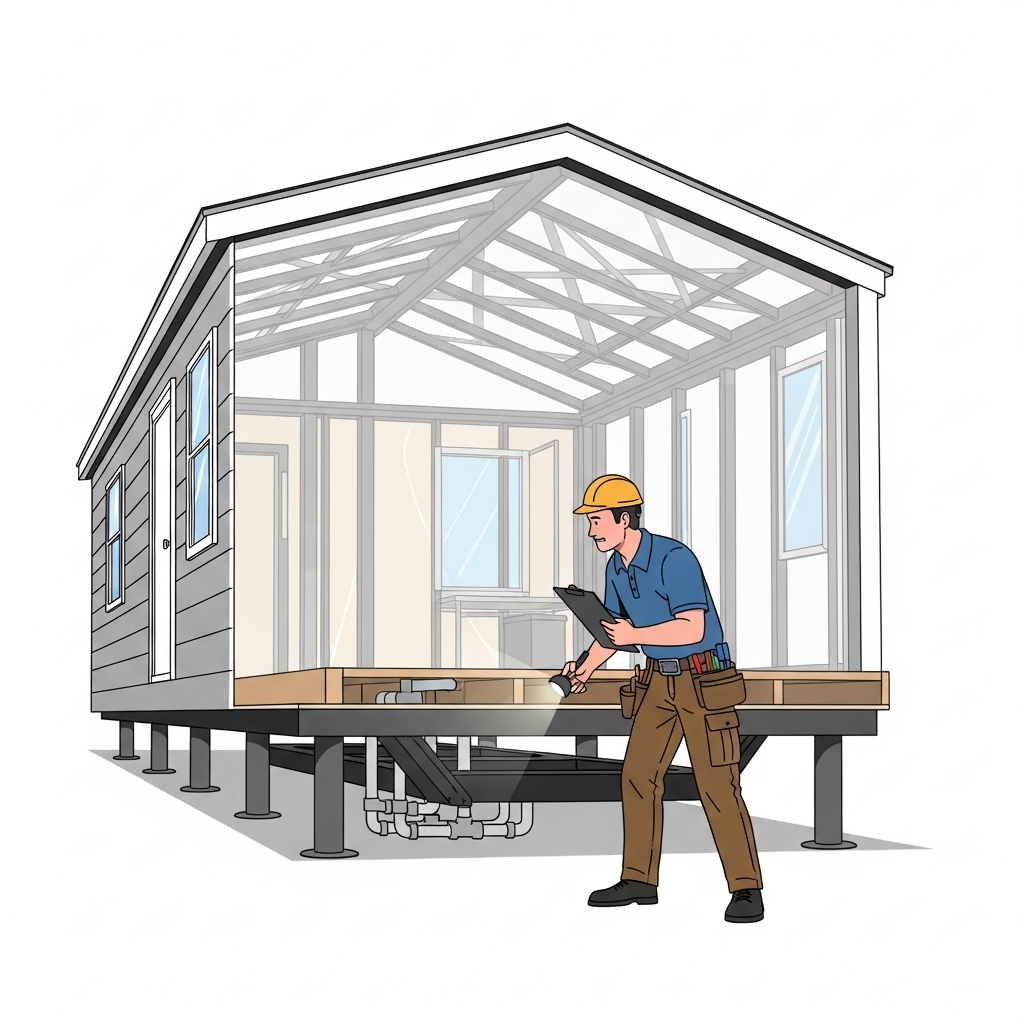
A mobile home inspection is a visual examination of the home’s condition, focusing on its structural components, systems, and safety features. Unlike a standard home inspection, it specifically addresses construction elements common to manufactured housing, such as the chassis, foundation piers, wall panels, and roof trusses designed for transport. The goal is to provide an objective assessment of the home’s current state.
Why is a Mobile Home Inspection Necessary?
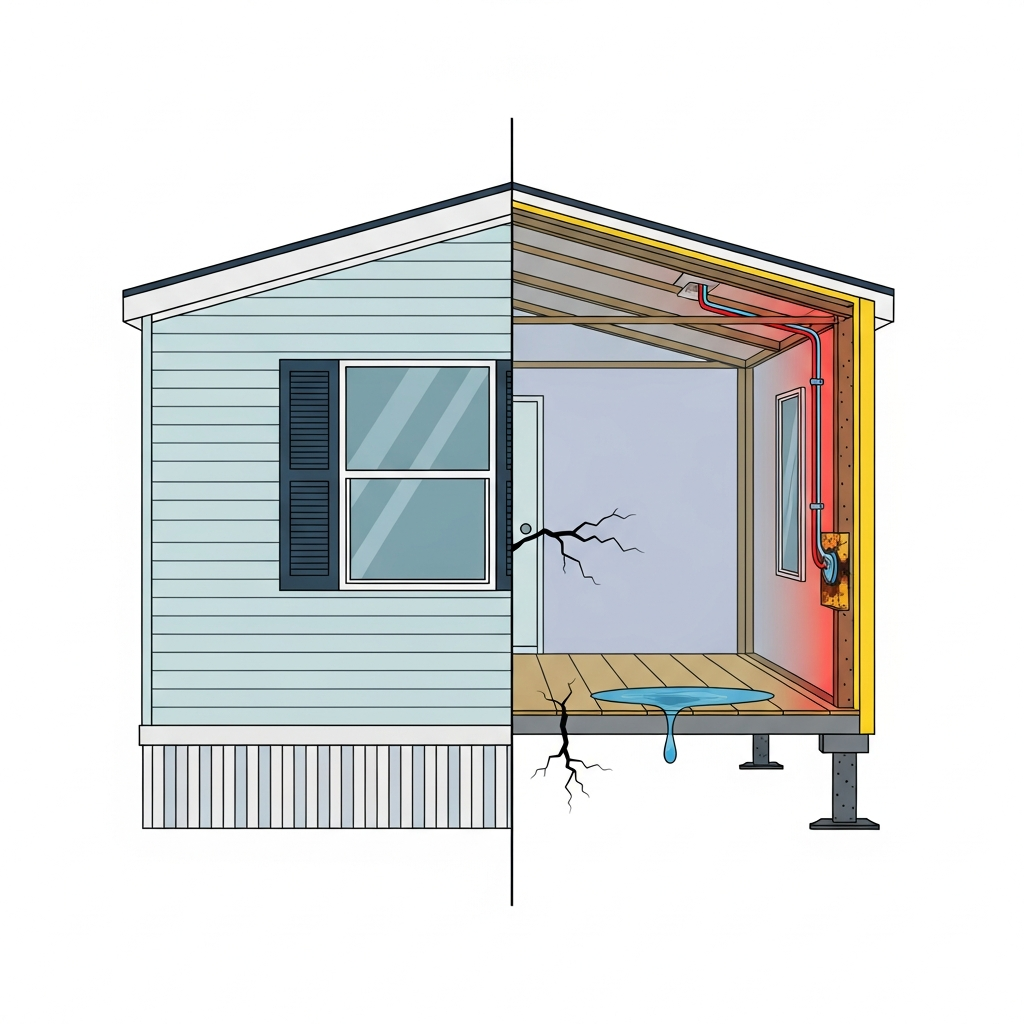
An inspection is vital for several reasons. For buyers, it reveals hidden defects that could lead to costly repairs later. It provides leverage during price negotiations and ensures the home meets safety standards. For sellers, an inspection can identify issues proactively, allowing for repairs before listing, which can expedite the sale. Lenders often require an inspection to verify the home’s condition and value before approving financing. According to the Manufactured Housing Institute, manufactured homes are built to a federal standard, the HUD Code, which differs from local building codes for site-built homes. This distinction makes specialized knowledge important for inspectors.
Mobile Home Inspection Cost in 2026
The cost of a mobile home inspection typically ranges from $300 to $700 in 2026. Several factors influence this price:
- Location: Fees can vary significantly based on the geographic region, with more expensive areas generally commanding higher inspection costs.
- Size of the Home: Larger homes require more time to inspect, potentially increasing the fee.
- Age and Condition: Older homes or those in visibly poor condition may necessitate a more in-depth inspection, impacting the price.
- Inspector’s Experience: Highly experienced inspectors or those with specialized certifications might charge more.
- Additional Services: Services like radon testing, mold inspection, or sewer scope inspections, if requested, will add to the total cost.
It is important to obtain quotes from multiple inspectors and compare not just the price but also the scope of services offered.
Choosing the Right Mobile Home Inspector
Selecting a qualified inspector is paramount. Look for professionals who specifically advertise expertise in mobile or manufactured home inspections. Here are key qualifications to consider:
- Credentials and Certifications: While specific licensing varies by state, look for certifications from organizations like the American Society of Home Inspectors (ASHI) or the International Association of Certified Home Inspectors (InterNACHI). Some states may have specific requirements for manufactured home inspectors.
- Experience with Manufactured Homes: Ensure the inspector has a proven track record inspecting homes built under the HUD Code. They should understand the differences in construction compared to site-built homes.
- Insurance: The inspector should carry Errors & Omissions (E&O) insurance and general liability insurance.
- References and Reviews: Check online reviews and ask for references from past clients.
You can often find qualified inspectors through real estate agents, lenders, or by searching professional organization directories. A good starting point for understanding the importance of qualified professionals is by looking at resources from organizations like the Consumer Financial Protection Bureau (CFPB).
The Mobile Home Inspection Process
A mobile home inspection is a systematic evaluation covering various aspects of the property. The process typically involves the following steps:
- Pre-Inspection Agreement: Before the inspection begins, you will review and sign an agreement outlining the scope of the inspection, limitations, and fees.
- On-Site Inspection: The inspector will spend several hours (usually 2-4) physically examining the home. They will document their findings with notes, photographs, and sometimes videos.
- System Checks: All major systems are tested, including plumbing, electrical, HVAC (heating, ventilation, and air conditioning), and appliances.
- Structural Evaluation: This includes assessing the foundation, frame, floor structure, walls, and roof. For mobile homes, this often involves inspecting the undercarriage and tie-down systems.
- Interior and Exterior Examination: Inspectors check for signs of water damage, mold, pest infestation, insulation issues, window and door functionality, and the condition of exterior siding and roofing.
- Report Generation: After the inspection, the inspector compiles a detailed report. This report typically includes:
- A summary of findings.
- Photographic evidence of issues.
- Descriptions of defects, categorized by severity (e.g., safety concerns, major defects, minor defects).
- Recommendations for further evaluation or repair by qualified professionals.
The client, whether buyer or seller, usually accompanies the inspector to ask questions and gain a better understanding of the home’s condition.
Key Areas Inspected
A comprehensive mobile home inspection examines numerous components. Here are the critical areas:
Foundation and Support System
- Chassis and Frame: Inspectors check for rust, damage, or modifications to the steel frame that supports the home.
- Tie-Downs and Anchors: The condition and adequacy of the anchoring system, crucial for stability, are assessed. This includes inspecting anchors, straps, and their connections.
- Support Piers: The piers or blocks supporting the home are checked for stability, levelness, and damage.
Exterior Components
- Siding: Inspectors look for cracks, warping, loose panels, and damage from impacts or weather.
- Roof: The roof surface is examined for damage, leaks, worn materials, and proper drainage. Gutters and downspouts are also checked.
- Windows and Doors: Functionality, seals, and signs of damage or leaks are noted.
- Exterior Trim and Sealants: Condition of caulking and trim around windows, doors, and seams is evaluated for water intrusion potential.
Interior Components
- Walls, Ceilings, and Floors: Inspectors check for cracks, water stains, sagging, and signs of structural stress.
- Insulation: The presence and condition of insulation in walls, ceilings, and floors are assessed, particularly in areas prone to temperature extremes.
- Moisture and Water Damage: Signs of leaks from plumbing, roof, or exterior penetrations are identified, along with potential mold growth.
- Ventilation: Proper ventilation in attics, crawl spaces, and bathrooms is checked to prevent moisture buildup.
Plumbing System
- Pipes and Fixtures: Water supply lines, drain pipes, faucets, toilets, and showers are inspected for leaks, proper function, and adequate water pressure.
- Water Heater: The age, condition, and proper venting of the water heater are verified.
- Sewer/Septic Connections: The exterior connections to sewer lines or septic systems are examined.
Electrical System
- Service Panel: The main electrical panel is inspected for proper wiring, breaker function, and safety.
- Outlets and Switches: Inspectors test a representative number of outlets and switches for proper operation and grounding.
- Wiring: Visible wiring is checked for damage, improper connections, or outdated materials.
- Exterior Electrical Components: Connections, outlets, and fixtures outside the home are assessed.
HVAC System
- Heating System: The furnace or heating unit is inspected for proper operation, age, and safety (e.g., proper venting, carbon monoxide levels if equipped).
- Cooling System: Air conditioning units are checked for functionality.
- Ductwork: The condition and insulation of air ducts are evaluated.
- Thermostat: Operation and placement are noted.
Appliances
- Major appliances included in the sale (e.g., oven, dishwasher, refrigerator) are typically tested for basic functionality.
What to Expect in the Inspection Report
The inspection report is a critical document. Expect it to be comprehensive, often 50-100 pages long, filled with detailed descriptions and visual aids.
- Clear Categorization: Issues are usually categorized by severity. Common categories include:
- Safety Concerns: Items that pose an immediate risk (e.g., faulty wiring, gas leaks).
- Major Defects: Significant issues requiring substantial repair (e.g., roof leaks, foundation problems).
- Minor Defects: Smaller issues that may need attention but are not critical (e.g., a dripping faucet, worn caulking).
- Maintenance Items: Recommendations for routine upkeep.
- Photographic Evidence: High-quality photos clearly illustrate the identified problems, making them easier to understand.
- Recommendations: The report will suggest whether a particular issue requires immediate repair, further evaluation by a specialist (like a structural engineer or plumber), or if it’s a cosmetic concern.
- Limitations: The report will also state the limitations of the inspection, such as areas that were inaccessible or systems that could not be fully tested.
Review the report carefully with your inspector. If you are the buyer, this report is your guide for understanding the home’s condition and negotiating repairs or price adjustments with the seller.
Common Issues Found in Mobile Home Inspections
Mobile homes, due to their construction and transport, can present specific problems. Common findings include:
- Water Damage and Leaks: Often found around windows, doors, roof penetrations (vents, chimneys), and plumbing connections. This can lead to mold and structural rot.
- Foundation and Support Problems: Shifting piers, rusted frames, or inadequate anchoring systems can compromise stability.
- Roofing Issues: Worn seals, damaged shingles, or improper drainage can cause leaks.
- Electrical System Deficiencies: Outdated wiring, overloaded circuits, or improperly installed components can pose fire hazards.
- Plumbing Leaks: Especially common in older homes or those exposed to freezing temperatures, leading to water damage and mold.
- HVAC Problems: Inefficient heating or cooling, dirty filters, or malfunctioning components are frequently noted.
- Pest Infestation: Rodents or insects can find entry points, causing damage and health concerns.
- Insulation Deficiencies: Inadequate or poorly installed insulation can lead to high energy bills and comfort issues.
Mobile Home Inspection vs. Traditional Home Inspection
While the core principles are similar, mobile home inspections have distinct focuses:
| Feature | Mobile Home Inspection | Traditional Home Inspection |
|---|---|---|
| Construction Code | Primarily HUD Code (federal standard) | Local building codes |
| Foundation | Inspects chassis, frame, tie-downs, piers, and anchoring systems. | Inspects concrete slab, crawl space, or basement foundation walls and structure. |
| Structure | Assesses factory-built walls, roof trusses designed for transport. | Assesses on-site built framing, load-bearing walls, and roof structures. |
| Underbelly | Critical inspection of the exposed underside, including insulation and utilities. | Less emphasis on exposed underside; focus is on basement/crawl space access. |
| Transport Damage | Checks for damage sustained during manufacturing and transit. | Not applicable. |
| System Installation | Verifies factory-installed systems are correctly connected and functional. | Verifies installation quality of site-built systems. |
| Specialist Needs | May require specialists familiar with HUD Code, chassis repair, or anchoring. | May require specialists for foundation, structural, or specific system issues. |
Understanding these differences helps ensure you hire an inspector with the appropriate expertise. For instance, if you’re looking at a property in Tampa, Florida, a local professional like Tampa Inspecting can provide specialized knowledge relevant to the region’s climate and common construction types.
After the Inspection: What Happens Next?
Once you receive the inspection report, the next steps depend on your role as buyer or seller.
For Buyers
- Review the Report: Read the report thoroughly. Discuss any unclear points or concerns with your inspector.
- Prioritize Issues: Focus on safety concerns and major defects.
- Consult Specialists: For significant structural, electrical, or plumbing issues, consider hiring a specialist for a more detailed assessment and repair estimate.
- Negotiate with the Seller: Present the findings to the seller and negotiate repairs, a price reduction, or a seller credit for the cost of repairs. Many purchase agreements have clauses allowing buyers to withdraw if major issues are found and an agreement cannot be reached.
- Proceed or Withdraw: Based on the negotiations and the overall condition of the home, decide whether to proceed with the purchase or withdraw from the deal.
For Sellers
- Review the Report: Understand the condition of your home from a buyer’s perspective.
- Make Repairs: Address critical safety issues and significant defects. Decide which repairs are worth the investment to make the home more attractive to buyers.
- Provide Documentation: Keep records of any repairs made, especially those addressing inspection findings.
- Consider a Pre-Listing Inspection: Conducting an inspection before listing can help you identify and fix issues upfront, potentially leading to a smoother sale.
Frequently Asked Questions (FAQs)
Can I do a mobile home inspection myself?
While you can certainly walk through a mobile home and look for obvious issues, a professional inspection is highly recommended. Inspectors have specialized training, tools, and experience to identify potential problems that the average homeowner might miss. They understand the unique construction standards of mobile homes and can assess systems like electrical, plumbing, and HVAC with greater expertise.
How long does a mobile home inspection take?
A typical mobile home inspection takes two to four hours to complete on-site. This timeframe allows the inspector to thoroughly examine all accessible areas and systems of the home. The time can vary depending on the size of the home, its condition, and the accessibility of various components.
What if the inspection reveals major problems?
If major problems are discovered, it doesn’t necessarily mean the deal is off. For buyers, this presents an opportunity to renegotiate the purchase price or ask the seller to make the necessary repairs before closing. You might also request a credit from the seller to cover the cost of repairs. If a satisfactory agreement cannot be reached, buyers often have the option to withdraw from the purchase, especially if stipulated in the sales contract.
Does a mobile home inspection include the land?
Typically, a mobile home inspection focuses solely on the structure and systems of the home itself. It does not usually include an inspection of the land it sits on. If the mobile home is located on rented land (in a mobile home park), the park’s management handles land maintenance. If the home is on land you are purchasing, you would need a separate land survey or environmental assessment if you have concerns about the property itself.
What is the difference between a mobile home and a manufactured home?
The terms “mobile home” and “manufactured home” are often used interchangeably, but there’s a technical distinction based on construction date and standards. Homes built before June 15, 1976, are generally referred to as “mobile homes.” Homes built on or after that date adhere to the federal HUD Code and are officially called “manufactured homes.” This HUD Code established national construction and safety standards. Inspections for both generally follow similar principles, but inspectors should be aware of the HUD Code for manufactured homes.
Are mobile home foundations different from site-built homes?
Yes, mobile homes have different foundation and support systems. Instead of a poured concrete foundation, they often rest on steel piers, concrete blocks, or a concrete slab. They also utilize anchoring and tie-down systems to secure the home to the ground, especially important due to their lighter weight compared to site-built homes. Inspectors pay close attention to the stability and condition of these specific support elements.
Key Takeaways
- A mobile home inspection is a critical step for buyers and sellers, costing between $300-$700 in 2026.
- These inspections differ from traditional ones due to the unique HUD Code construction standards.
- Key areas examined include the foundation, chassis, exterior, interior, plumbing, electrical, and HVAC systems.
- Inspectors look for common issues like water damage, foundation instability, and electrical deficiencies.
- The inspection report details findings with photos and recommendations, guiding post-inspection negotiations.
- Choosing an inspector with specific experience in manufactured housing is essential for an accurate assessment.
Conclusion
A mobile home inspection is an indispensable part of the buying or selling process. It provides a clear picture of the home’s condition, helps avoid unexpected expenses, and ensures safety. By understanding the cost, process, and common issues, you can approach the inspection with confidence, making informed decisions for one of your most significant investments. Hiring a qualified inspector is the first step toward a successful and secure transaction in the manufactured housing market. For residents in the Tampa Bay area, resources like Tampa Inspecting can offer specialized local expertise.