Quick Answer: What Do Home Inspectors Look For? A Room-by-Room Breakdown?
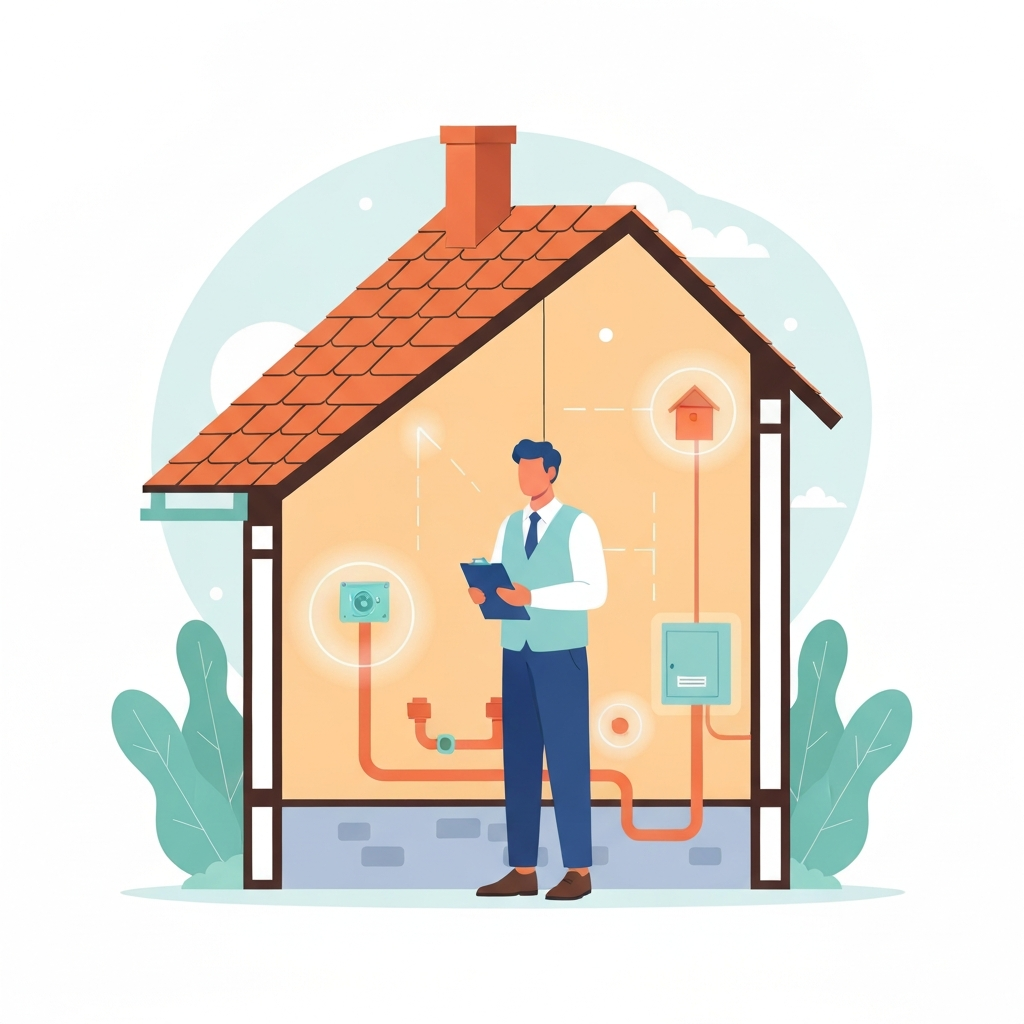
Yes. Home inspectors examine the major systems and components of a home, checking for safety issues, potential problems, and general condition. They provide a detailed report that buyers can use to make informed decisions, negotiate repairs, or withdraw from a purchase. Key factors to consider when hiring an inspector include their licensing, experience, insurance, reporting style, and professional affiliations.
Home inspections are a crucial step in the home-buying process, offering a comprehensive overview of a property’s condition. While a general inspection covers the entire house, understanding what inspectors scrutinize in each area can prepare you for the report and potential findings. This guide provides a room-by-room perspective on what a home inspector typically examines.
The Importance of a Home Inspection
Before diving into the specifics, it’s important to understand why a home inspection is so vital. According to the National Association of Realtors®, approximately 85% of homebuyers hire a home inspector. [^1] A professional inspection offers an unbiased assessment of a property’s condition, protecting buyers from potentially costly surprises after closing. It provides peace of mind and a solid basis for negotiations with the seller. John Sisto, the expert home inspector behind Tampa Home Inspections, emphasizes that “An inspection isn’t just about finding problems; it’s about understanding the home’s systems and how they function, which helps future homeowners plan for maintenance.”
Preparing for Your Home Inspection
While you don’t need to “prepare” the house itself for an inspection, being present during the process can be incredibly beneficial. You can ask questions, learn about your potential new home’s features, and gain a better understanding of the inspector’s findings. It’s also a good idea to have any relevant documents handy, such as previous repair records or disclosure statements from the seller.
A Room-by-Room Examination
Home inspectors follow a systematic approach, moving through the property logically to ensure no critical area is overlooked. Here’s a look at what they typically check in each part of the house:
Exterior Inspection
The inspector’s assessment begins outside the home, as the exterior provides many clues about the property’s overall health.
Foundation and Grading
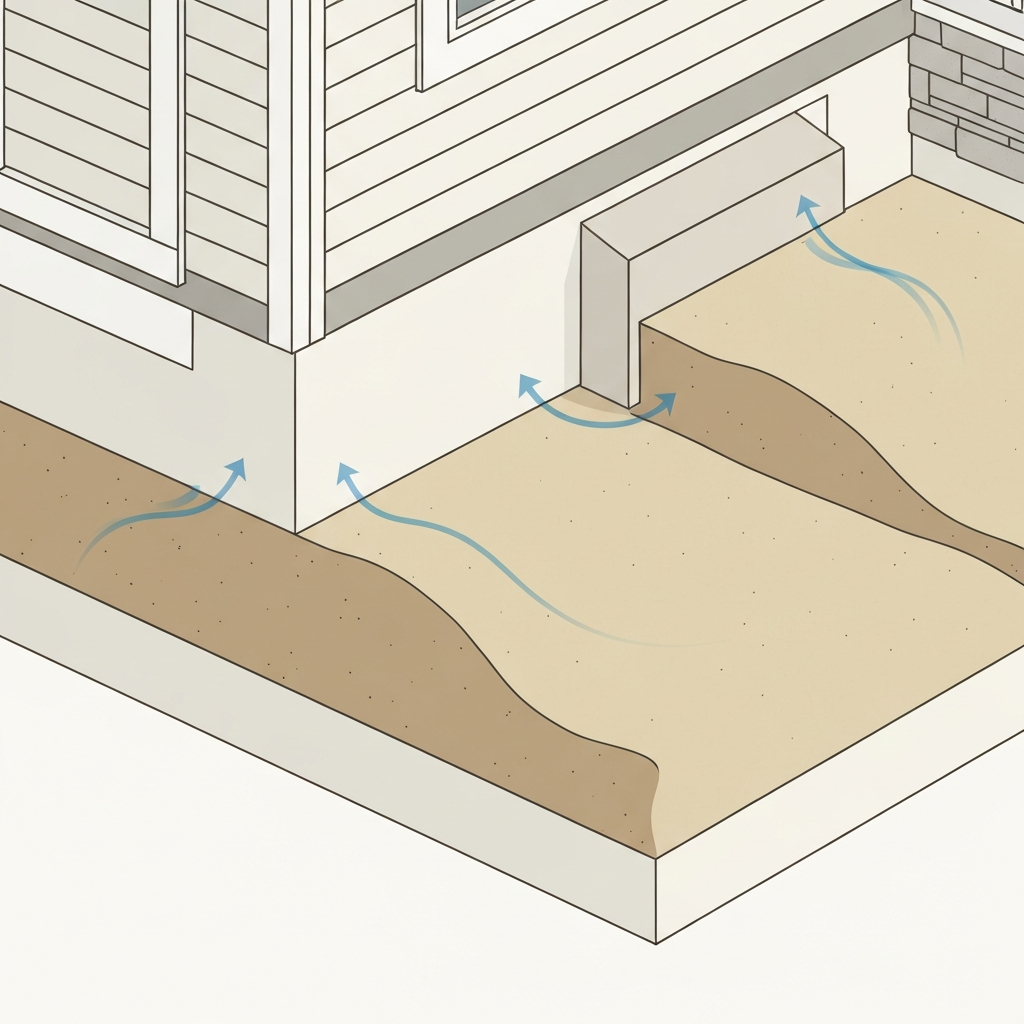
Inspectors will examine the foundation for signs of cracking, settling, or water intrusion. They also assess the grading around the house to ensure water drains away from the foundation, preventing moisture problems. Poor grading can lead to significant structural issues over time.
Walls and Siding
The exterior walls and siding material (wood, vinyl, brick, stucco) are checked for damage, rot, or defects. They look for proper installation, caulking, and sealing around windows and doors.
Roof System
This is a critical area. Inspectors will look at the roof covering (shingles, tiles, metal) for wear, damage, or missing sections. They check the flashing around chimneys, vents, and skylights for signs of leaks. The gutters and downspouts are also inspected for proper installation, damage, and their ability to direct water away from the foundation. A report from the U.S. Fire Administration indicates that faulty electrical systems are a leading cause of home fires, and water damage from a compromised roof can exacerbate electrical issues. [^2]
Windows and Doors
Exterior windows and doors are checked for proper operation, sealing, and damage. Inspectors look for rot in frames, broken panes, and secure locking mechanisms.
Decks, Patios, and Driveways
These exterior features are examined for structural integrity, safety hazards (like loose railings), and proper drainage. Cracks in driveways or patios can indicate underlying foundation issues.
Interior Inspection
Once the exterior is assessed, the inspector moves inside, systematically checking each room and its components.
Attic
The attic is a treasure trove of information about the roof structure, insulation, and ventilation. Inspectors will look for:
- Structural Integrity: Signs of sagging roof beams or damaged rafters.
- Insulation: Type, depth, and condition of insulation. Inadequate insulation can lead to high energy bills and comfort issues.
- Ventilation: Proper airflow, which is crucial for preventing moisture buildup and ice dams.
- Leaks: Water stains or damage on the underside of the roof decking or rafters.
- Pest Infestations: Evidence of rodents or insects.
Basement and Crawl Spaces
These areas are critical for assessing the foundation and potential moisture problems. Inspectors check for:
- Foundation Walls: Cracks, bowing, or signs of water penetration.
- Moisture and Water Damage: Stains, efflorescence (a powdery residue), dampness, or mold.
- Sump Pump: If present, its operation and condition.
- Ventilation: Adequate airflow in crawl spaces.
- Structural Supports: Condition of floor joists, beams, and support columns.
John Sisto of Tampa Home Inspections states, “Basements and crawl spaces are often where hidden moisture problems begin. Catching these early can save homeowners thousands in repairs.”
Electrical System
Safety is paramount when it comes to the electrical system. Inspectors examine:
- Service Panel: Type of panel, presence of proper breakers, signs of rust or damage, and adequate capacity for the home’s needs.
- Wiring: Type of wiring (e.g., copper, aluminum), condition, and proper connections. They look for outdated or unsafe wiring.
- Outlets and Switches: Proper grounding, GFCI (Ground Fault Circuit Interrupter) protection in required areas (kitchens, bathrooms, outdoors), and general functionality.
- Fixtures: Secure installation of light fixtures and ceiling fans.
According to the Electrical Safety Foundation International, electrical failures or!arc faults are responsible for a significant number of residential fires each year. [^3]
Plumbing System
The plumbing system is checked for leaks, proper function, and material condition. This includes:
- Pipes: Type of piping (copper, PEX, galvanized), signs of corrosion or leaks.
- Faucets and Fixtures: Water pressure, drainage, and leaks at sinks, tubs, and showers.
- Water Heater: Age, condition, signs of leaks, and proper venting.
- Toilets: Proper flushing, leaks, and secure mounting.
- Sewer Line: While a full sewer scope is often a separate service, inspectors may note visible issues with the main drain line access.
HVAC System (Heating, Ventilation, and Air Conditioning)
The heating and cooling systems are tested for operation and condition. Inspectors look at:
- Furnace/Heating Unit: Age, condition, proper ignition, and venting.
- Air Conditioner: Operation, age, and condition of the outdoor unit.
- Ductwork: Condition, insulation, and signs of leaks or damage.
- Thermostat: Functionality.
- Filters: Condition of air filters.
Kitchens
Kitchens are a focal point of any home inspection due to their complex systems. Inspectors check:
- Appliances: Functionality of built-in appliances like ovens, stovetops, dishwashers, and garbage disposals.
- Plumbing: Leaks under sinks, proper drainage, and water supply to the dishwasher and refrigerator (if applicable).
- Ventilation: Operation of range hoods or microwave vents.
- Countertops and Cabinets: Condition and stability.
Bathrooms
Similar to kitchens, bathrooms have significant plumbing and ventilation components. Inspectors review:
- Plumbing: Leaks at sinks, tubs, and toilets; proper drainage; water pressure.
- Tiling and Grout: Condition, looking for signs of water damage or mold behind tiles.
- Ventilation: Functionality of exhaust fans.
- Toilets and Fixtures: Secure mounting and proper operation.
Bedrooms and Living Areas
While seemingly simpler, these areas are checked for:
- Windows and Doors: Proper operation, sealing, and condition.
- Flooring: Condition of carpets, hardwood, tile, etc.
- Walls and Ceilings: Cracks, water stains, or signs of structural issues.
- Electrical Outlets and Switches: Functionality and safety.
Common Issues Inspectors Find
Home inspectors are trained to spot potential problems that the average buyer might miss. Some of the most frequently identified issues include:
- Roofing Problems: Damaged or aging shingles, improper flashing, clogged gutters.
- Water Intrusion: Signs of leaks in basements, crawl spaces, or attics; poor grading; foundation cracks.
- Electrical Deficiencies: Outdated wiring, improperly installed outlets, overloaded circuits.
- Plumbing Leaks: Dripping faucets, corroded pipes, slow drains.
- HVAC Issues: Aging systems, poor airflow, inadequate maintenance.
- Structural Concerns: Foundation cracks, damaged support beams, sagging floors.
- Ventilation Problems: Insufficient attic or bathroom ventilation leading to moisture buildup.
The Home Inspection Report
After the inspection, you will receive a detailed report. This document typically includes:
- A summary of the home’s condition.
- Descriptions of inspected systems and components.
- Photographs of any identified issues.
- Recommendations for further evaluation by specialists (e.g., a structural engineer or plumber) if necessary.
- Information on the general maintenance of the home.
John Sisto advises, “Read the report thoroughly. Don’t just look at the summary. Understanding the details helps you prioritize potential repairs and discuss them effectively with the seller.” Tampa Home Inspections provides comprehensive reports designed to be clear and informative for homeowners.
Beyond the Room-by-Room: Other Key Areas
While the room-by-room breakdown covers most of the house, inspectors also pay attention to:
Insulation and Ventilation
As mentioned in the attic and basement sections, proper insulation and ventilation are critical for energy efficiency, comfort, and preventing moisture-related issues like mold and rot. Inspectors assess the type, amount, and condition of insulation in walls, attics, and crawl spaces, as well as the effectiveness of ventilation systems in attics and bathrooms.
Fireplace and Chimney
These are checked for structural integrity, proper drafting, and safety. Inspectors look for cracks in the chimney structure, damaged fireboxes, and obstructions.
Safety Features
Inspectors specifically look for safety hazards, including:
- Lack of GFCI outlets in wet areas.
- Missing or damaged handrails.
- Improperly installed smoke and carbon monoxide detectors.
- Potential tripping hazards on stairs or uneven surfaces.
When to Get a Second Opinion
A home inspector is a generalist. If they identify a significant issue, such as a major foundation crack or a suspected electrical fault, they will often recommend that you consult a specialist. This could be a structural engineer, an electrician, a plumber, or an HVAC technician. These professionals can provide a more in-depth analysis and precise cost estimates for repairs.
Conclusion
A professional home inspection is an indispensable part of the home-buying process. By systematically examining every major system and component, from the foundation to the roof, and from the electrical panel to the plumbing fixtures, inspectors provide buyers with crucial information about a property’s condition. Understanding what inspectors look for in each room empowers you to ask informed questions and make confident decisions about your potential investment. Partnering with a reputable inspector, like those at Tampa Home Inspections, ensures you receive a thorough and professional assessment.
Frequently Asked Questions
What is the most important thing a home inspector looks for?
The most critical aspects a home inspector looks for are safety hazards and major structural or system failures. This includes issues like faulty electrical wiring, significant foundation cracks, roof leaks, or malfunctioning heating and cooling systems, as these can pose immediate risks to occupants or lead to very expensive repairs.
Can a home inspector fail a house?
No, a home inspector cannot “fail” a house. Their role is to report on the condition of the home’s systems and components as they exist at the time of the inspection. They identify issues and their severity, but the decision to buy or not buy the house rests with the buyer.
Do home inspectors check for mold?
Home inspectors typically note visible signs of mold or conditions conducive to mold growth, such as excessive moisture. However, they are not usually certified mold inspectors. If significant mold is suspected, they will recommend further evaluation by a qualified mold remediation specialist.
What is not typically included in a home inspection?
A standard home inspection usually does not include testing for: pests (like termites or rodents, though evidence might be noted), radon gas, mold testing (beyond visible signs), asbestos, underground oil or propane tanks, swimming pools or spas (unless specifically requested and agreed upon), or the functionality of every single appliance if it’s not built-in. Also, cosmetic issues are generally outside the scope.
How much detail do home inspectors go into?
Home inspectors provide a comprehensive overview of the major systems and components. They examine visible and accessible areas, documenting their condition, identifying defects, and noting potential future maintenance needs. The level of detail varies by inspector and company, but a good report will be thorough, often including photos.
Should I be present during the home inspection?
Yes, it is highly recommended that buyers attend the home inspection. Being present allows you to see firsthand what the inspector finds, ask questions in real-time, and gain a deeper understanding of the home’s condition and potential issues. It’s an excellent opportunity to learn about your potential new home.
Key Takeaways
- Home inspectors systematically examine all major systems and components of a house, both interior and exterior.
- Key areas of focus include the foundation, roof, electrical, plumbing, HVAC, and structural integrity.
- Inspectors identify safety hazards, potential problems, and areas needing maintenance or repair.
- The inspection report provides a detailed account of the findings, often with photographs.
- Buyers should attend the inspection to ask questions and gain a better understanding of the property.
- If significant issues are found, inspectors may recommend consulting specialists for further evaluation.
- A home inspection is a critical step to protect buyers from unexpected costs and ensure an informed purchase decision.
[^1]: National Association of Realtors®. “2023 Profile of Home Buyers and Sellers.”
[^2]: U.S. Fire Administration. “Home Electrical Fires.”
[^3]: Electrical Safety Foundation International. “Home Electrical Safety.”