Introduction
When most people schedule a home inspection, they expect the plumbing, electrical system, and roof to be checked. What often gets overlooked is the sewer line. This underground pipe carries waste from the house to the city main or a septic tank, and if it fails, repairs can run anywhere from $10,000 to $25,000.
A sewer scope inspection is a quick, low-cost way to spot problems early and protect both buyers and homeowners from major repair bills. This guide by Tampa Home Inspections takes a closer look at what a sewer scope inspection actually is, why it matters so much and how it helps you avoid major sewer line issues.
What Exactly Is a Sewer Scope Inspection and Why Does It Matter?
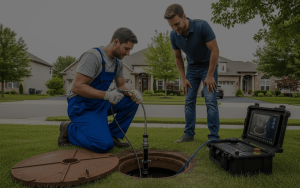
A sewer scope inspection is a plumbing service that uses a camera to check the sewer line connecting your home to the city main or septic system. The inspector inserts a flexible camera through a cleanout or drain to capture video of the pipe’s condition. This allows you to see problems hidden underground.
Most home inspections don’t include sewer scopes, which means issues like cracks, root intrusion, or corroded pipes can go unnoticed. Without this inspection, buyers often discover costly sewer repairs only after moving in.
The benefit is early detection. Finding sewer line damage before it worsens helps prevent backups, property damage, and repair bills that can reach thousands. For a small upfront cost, a sewer scope inspection gives homeowners peace of mind and protects their investment.
You may also read: Your Complete Guide To A Sewer Scope Inspection
How Does a Sewer Scope Inspection Work Step by Step?
The process is quick, non-invasive, and usually finished in less than an hour. Here’s how it works:
- Locate Access Point – The inspector finds a cleanout or drain that connects to your home’s main sewer line.
- Insert Camera – A waterproof, high-definition sewer camera on a flexible cable is carefully pushed into the pipe.
- Record Footage – The camera captures live video of the sewer line’s interior, showing the exact condition of the pipe.
- Identify Problems – The inspector checks for cracks, corrosion, blockages, tree roots, or collapsed sections of the line.
- Deliver Report – You receive a video recording and a written inspection report with clear repair or maintenance recommendations.
By following these steps, a sewer scope inspection provides a detailed look at the sewer line without digging up your yard, helping homeowners avoid unexpected and costly sewer repairs.
Why Every Buyer Should Get a Sewer Scope Inspection Before Purchasing a Home
During a real estate transaction, many buyers focus on the roof, plumbing fixtures, or electrical systems, but the sewer line often gets ignored. This mistake can lead to unpleasant surprises after closing. A sewer scope inspection fills this gap by showing the true condition of underground pipes before you commit.
The inspection gives buyers negotiation power. If the report reveals problems, you can ask the seller to handle repairs or reduce the price. Considering a sewer scope inspection typically costs $250–$500, it’s a small expense compared to potential sewer repair bills that can exceed $17,000.
Both older homes and new builds benefit from this inspection. 1950s homes often contain cast iron or clay sewer lines that corrode over time, while new construction can have debris left in pipes during the build. Whether you’re buying in Tampa or elsewhere, scheduling a sewer scope inspection is a smart investment before signing.
You may also read: Termite & WDO Inspections – Are They Essential for Florida Homes?
Common Sewer Line Problems Found During an Inspection
Here are the most common issues a sewer scope inspection can reveal in a home’s sewer line:
- Tree Root Intrusion – Roots grow into small cracks in the sewer pipe, expand over time, and cause severe blockages that restrict flow.
- Broken or Collapsed Pipes – Older or weakened sewer lines may cave in completely, stopping wastewater from draining properly.
- Corrosion – Cast iron and metal pipes rust with age, weakening the line and increasing the risk of leaks or full pipe failure.
- Clogs and Blockages – Grease buildup, debris, and non-flushable items can collect inside the sewer line, leading to slow drains and backups.
- Pipe Bellies – Sections of the pipe sag due to soil movement, trapping water and waste that eventually causes blockages and damage.
By catching these sewer line problems early through a sewer scope inspection, homeowners and buyers can avoid costly sewer repairs and prevent property damage caused by hidden underground issues.
How Much Does a Sewer Scope Inspection Cost?
Most sewer scope inspections are very affordable compared to the high cost of sewer repairs. On average, homeowners and buyers spend a few hundred dollars to avoid repair bills that can run into the tens of thousands.
- National Average: $250 – $500
- Tampa Sewer Line Inspection: $275 – $400
- Sewer Repair Costs: $3,000 – $25,000+
Comparison Table
| Service | Average Cost |
| Sewer Scope Inspection | $250 – $500 |
| Minor Sewer Line Repair | $1,500 – $3,000 |
| Full Sewer Line Replacement | $15,000 – $25,000+ |
When you compare the small cost of a sewer scope inspection with the potential price of sewer line replacement, it becomes clear why this inspection is one of the smartest investments you can make when buying a home.
What Happens If the Sewer Line Isn’t in Good Condition?
If a sewer scope inspection shows that the line is damaged, the good news is you have repair options. The type of solution depends on the severity of the problem and the condition of the sewer pipe. Acting quickly prevents further damage and keeps repair costs under control.
For smaller issues like clogs or blockages, plumbers often use hydro jetting, a high-pressure water system that clears grease, debris, and tree roots. If the pipe is cracked or weakened but not collapsed, trenchless repair methods such as pipe lining or pipe bursting can fix the damage without digging up your yard.
In severe cases where the sewer line has collapsed or corroded beyond repair, a full sewer line replacement may be required. While this is the most expensive option, the inspection report gives homeowners and buyers a clear plan for repairs and the chance to negotiate costs before moving forward.
What to Expect in the Sewer Scope Inspection Report
A sewer scope inspection report is detailed, easy to understand, and provides everything homeowners or buyers need to make informed decisions:
- Video Footage – A full recording of the inside of the sewer line, showing its overall condition.
- Screenshots – Clear still images highlighting cracks, blockages, or damaged sections of the pipe.
- Written Summary – A straightforward explanation of the sewer line’s condition, including any visible issues.
- Repair Recommendations – Professional advice on next steps, repair urgency, and estimated solutions.
Homebuyers often rely on this report to negotiate with sellers, request repairs, or secure price reductions—helping them avoid paying out of pocket for costly sewer line work.
You may also read: Should You Get A Sewer Scope Inspection? Read More to Find out
Benefits of Sewer Scope Inspections for Buyers and Homeowners
A sewer scope inspection offers more than just financial savings—it provides long-term protection and confidence for both homebuyers and current homeowners:
- Peace of Mind – Confirms that your sewer system is in good working condition and helps avoid hidden sewer line problems.
- Negotiation Power – Gives buyers leverage to request seller repairs or credits during a real estate transaction.
- Long-Term Savings – Prevents costly emergencies, reduces the chance of sewer line replacement, and lowers future maintenance costs.
- Health Protection – Stops sewage backups and leaks that can expose your family to harmful bacteria and unpleasant odors.
Whether you’re buying a house or maintaining your current property, a sewer scope inspection protects your home, your health, and your wallet.
Risks of Skipping a Sewer Scope Inspection When Buying a Home
Many buyers think skipping a sewer scope inspection saves money, but it often leads to expensive regret. Hidden sewer line damage can result in repair bills ranging from $10,000 to $25,000, costs that are far greater than the small upfront price of an inspection.
Beyond the financial burden, repairs can be extremely disruptive. Replacing a damaged sewer line often means digging up yards, driveways, or even city streets, leaving buyers with weeks of stress and inconvenience.
There are also health concerns to consider. Sewer backups can expose your home to harmful bacteria, foul odors, and contamination. Skipping a sewer scope inspection risks not just your finances but also the safety and comfort of your household.
You may also read: Separate Roof Inspection – When Should You Hire a Roofer?
Key Takeaway
For older homes, a sewer scope inspection is almost always necessary. Even in newer homes, it’s smart insurance. The small upfront cost can save thousands in sewer repairs, give you negotiation leverage, and ensure the sewer line is in good condition.
Conclusion
A sewer scope inspection is one of the easiest and smartest ways to protect your home investment. It uncovers hidden sewer line issues, prevents costly sewer repairs, and provides confidence whether you’re buying an older 1950s property or brand-new construction.
For just a few hundred dollars, this inspection delivers peace of mind and shields homeowners from one of the most expensive risks in real estate—unexpected sewer line damage.
FAQs: Sewer Scope Inspections Explained
1. Is a sewer scope inspection necessary for an older home?
Yes. Older homes often have clay or cast iron sewer pipes that corrode with age. A sewer scope inspection checks the true condition of the sewer line, something a standard home inspection usually doesn’t include.
2. How much does a sewer scope test cost on average?
The cost of a sewer scope inspection is usually $250–$500, depending on access to the main sewer line. Compared to costly repairs, this small expense gives homeowners peace of mind.
3. What problems are most commonly found in sewer inspections?
A sewer inspection may uncover tree roots, broken or collapsed pipes, corrosion, or blockages. These issues inside the sewer system aren’t visible during a home inspection but can lead to major damage.
4. If an inspection reveals a $17K repair, should I still buy the house?
It depends. Many buyers use the inspection report to negotiate repairs or price reductions. Knowing the condition of the sewer and main sewer pipe helps you decide wisely when buying a home.
5. What’s the difference between a sewer inspection and a septic inspection?
A sewer scope inspection involves using a camera to check the main sewer line for damage. A septic inspection looks at the tank and drain field. Both inspection services confirm if the system is in good condition.