Introduction
Your home’s roof is the first line of defense against Florida’s heat, rain, and storms. While a general home inspection gives an overview of the property, it often falls short when it comes to roof details. Many home inspectors cannot walk steep roofs or lack the roofing expertise needed to spot hidden problems. That leaves homeowners wondering: should you hire a separate roof inspector to get the full picture?
This guide by Tampa Home Inspections explains when a roofing contractor or certified roof inspector is the smarter choice. You’ll also learn about inspection costs, drone roof surveys, storm-related insurance claims, and how often roofs should be inspected in Tampa.
Key Takeaway
Hiring a separate roof inspector is worth it if your general home inspector cannot walk on the roof or if you need detailed insights before major decisions like repairs, insurance claims, or home purchases. Spending a few hundred dollars on a roof inspection can save you thousands by catching issues early.
Why a Roof Inspection Matters More Than You Think
A roof inspection isn’t just another item on your homeowner checklist. It’s a safeguard for your biggest investment—your home.
A proper inspection can:
- Prevent costly repairs by finding small leaks or missing shingles before they spread.
- Protect insurance claims by documenting your roof’s condition before storm season.
- Extend the life of your roof by spotting early wear on flashing, gutters, or asphalt shingles.
- Provide peace of mind knowing your roof is in good condition.
In short, regular roof inspections reduce the risk of unexpected surprises that can cause damage inside and outside your home.
What a General Home Inspector Can and Cannot Do
General home inspectors provide a broad assessment of the property, but their scope is limited when it comes to roofing.
What they typically do:
- Visually inspect the roof from the ground.
- Check for obvious signs of roof damage, such as sagging or missing shingles.
- Look inside the attic for leaks, insulation problems, or signs of water penetration.
What they often cannot do:
- Walk steep, tall, or unsafe roofs.
- Spot shingle damage, mold growth, or minor issues that require roofing expertise.
- Identify workmanship problems, such as poorly installed flashing or underlayment.
Because of these limits, relying solely on a general home inspector may leave you with an incomplete picture of your roof’s condition.
You may also read: Your Home Inspection Checklist – What to Ask and Expect as a Buyer
Should You Hire a Separate Roof Inspector?
Hiring a separate roof inspector can make a big difference for homeowners. While a general home inspection gives an overview of the property, it often misses roofing details. A certified roof inspector or roofing contractor provides a focused report that helps protect your home and wallet.
You should strongly consider a separate inspection if your roof is more than 10 years old, if the home inspector never walked on the roof, or if your area has faced severe storms with hail, high winds, or hurricanes. These conditions can hide roof damage that only a roofing professional will catch.
A roof inspection is also essential when buying or selling a home or when you receive a costly repair estimate and want a second opinion. By getting a roof-specific inspection, you’ll know whether you need a roof repair or roof replacement and make confident decisions about your property.
Roof Inspection Cost: Is $650 Too Expensive?
Costs for roof inspections in Tampa vary based on roof size, accessibility, and the type of inspection.
Average cost ranges:
- Basic visual inspection – $150 to $300
- Full physical inspection with detailed report – $300 to $500
- Drone roof survey with high-resolution images – $400 to $650
So, is $650 too expensive? Not if it covers a full drone roof survey, clear photos, and a written roof inspection report. For larger homes or complex roofing systems, $650 is a fair and reasonable price. Always ask your roofing contractor what’s included before scheduling a roof inspection.
You may also read: Home Inspection Costs In Wesley Chapel, Florida
Drone Roof Survey vs. Physical Roof Inspection
Roof inspections in Tampa can be done in two main ways—by a roofing contractor climbing onto the roof or by using a drone. Both methods have strengths, and understanding them helps homeowners choose the right option.
Physical Roof Inspection
Pros: Very detailed since the roofer can touch and test materials, check shingles, flashing, and leaks directly.
Cons: Can be risky on steep or fragile roofs and usually takes more time to complete.
Drone Roof Survey
Pros: Safe, quick, and provides clear photos and videos, making it easier to spot visible roof damage even in hard-to-reach areas.
Cons: Limited to surface issues—it cannot reveal problems hidden beneath shingles or underlayment.
The best choice often comes from using both methods together. A drone inspection gives sharp aerial visuals, while a physical inspection confirms smaller details up close. This combined approach gives homeowners the most accurate picture of their roof’s condition.
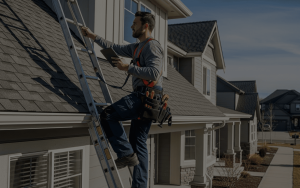
How Often Should You Get a Roof Inspection in Tampa?
Living in Florida means your roof faces constant stress from heat, humidity, and heavy rains. In Tampa, regular roof inspections are essential to protect your home and extend the life of your roof. Skipping inspections can lead to hidden roof damage that becomes costly over time.
Experts recommend getting your roof inspected at least once a year for routine maintenance. A yearly inspection helps spot issues like missing shingles, leaks, or mold growth before they cause serious problems. This simple step can save homeowners thousands in roof repair or roof replacement costs.
You should also schedule a roof inspection after major storms or hurricanes to check for wind or hail damage. And if you’re buying or selling a home in Tampa, an inspection ensures you know the true condition of the roof. Staying on top of inspections gives homeowners peace of mind and keeps the roof in good condition for years.
You may also read: Do You Need a Sewer Scope Inspection? Avoiding Costly Surprises
Roof Inspection Reports: What to Expect as a Homeowner
When you hire a professional roof inspector in Tampa, you should receive a clear and detailed roof inspection report. This document helps homeowners understand the exact condition of their roof and plan ahead.
A typical roof inspection report includes:
- Photos showing the roof’s overall condition.
- Notes on shingle damage, flashing issues, or gutter problems.
- Documentation of leaks, water penetration, or mold growth.
- Recommendations for roof repair or roof replacement.
- An estimate of the roof’s remaining lifespan.
This type of report is valuable when negotiating with a roofing contractor, filing an insurance claim after storm damage, or budgeting for future maintenance.
Signs of Roof Damage That Mean You Need an Inspection Now
Some warning signs require immediate attention and should not wait for your yearly roof inspection. Acting quickly can protect your home from major damage.
Call a professional roofer right away if you notice:
- Missing shingles or cracked roofing shingles.
- Water stains on ceilings or attic insulation.
- Sagging or uneven roof areas.
- Mold growth on shingles or inside the attic.
- Granules from asphalt shingles collecting in gutters.
- Leaks appearing after heavy rain, high winds, or storms.
Catching these problems early helps prevent costly roof repairs, structural damage, and even the need for a full roof replacement.
You may also read: Termite & WDO Inspections – Are They Essential for Florida Homes?
Roof Inspections and Insurance Claims After Storm Damage
In Tampa, severe weather is a constant threat. A professional roof inspection plays a key role in protecting homeowners when filing insurance claims after hurricanes, hail, or high winds.
How inspections help with claims:
- Provide proof of your roof’s pre-storm condition.
- Document storm-related roof damage with photos.
- Strengthen insurance claims for roof repair or roof replacement.
- Reduce the risk of denied claims due to lack of evidence.
For homeowners in storm-prone Florida, keeping regular roof inspection reports on file offers peace of mind and a stronger case when working with insurance companies.
Conclusion: Protecting Your Home with Regular Roof Inspections
Your roof is too important to leave unchecked. General home inspectors provide a helpful overview, but they often miss the details that matter most. Hiring a separate roof inspector ensures you get accurate information, fair pricing, and confidence in your decisions.
Regular inspections—whether through physical checks or drone surveys—extend the life of your roof, reduce repair costs, and protect your home investment.
FAQs: Roof Inspections in Tampa
1. Should I hire a separate roof inspector if my home inspector can’t walk on the roof?
Yes. A certified roof inspector or professional roofer can safely access the roof, even when accessibility is an issue. They provide a detailed professional roof inspection report that a general home inspector usually cannot.
2. Is $650 too expensive for a roof inspection in Tampa?
Not if it includes drone imaging, photos, and a comprehensive roof inspection report. For larger homes, complex roofing systems, or when a roofing contractor checks for roof damage and possible roof repair needs, $650 can be a fair price.
3. How does a drone roof survey compare to a physical inspection?
Drone surveys are safer and faster, giving clear visuals of asphalt shingles, flashing, and gutters, but they cannot detect issues beneath shingles or hidden leaks. A mix of both methods works best to inspect your roof for all potential roofing problems.
4. How often should I schedule a roof inspection in Florida?
Every homeowner should schedule at least one roof inspection each year and after major storms. This ensures your roof is inspected for missing shingles, leaks, or storm-related damage before they cause bigger issues.
5. What will a roofer look at during an inspection?
A roofer or roofing company will check shingles, flashing, gutters, attic ventilation, and signs of leaks or roof damage. They will also note roofing problems such as missing shingles, poor workmanship, or conditions that could cause damage if left untreated.