Key Takeaway
In Tampa, where high humidity, heavy rains, and storms are the norm, staying proactive with post-inspection home maintenance is essential. Addressing issues promptly after an inspection helps prevent costly damage, while routine upkeep—like managing moisture, maintaining HVAC systems, and inspecting roofing—preserves both comfort and property value. Smart, timely maintenance ensures your home remains safe, efficient, and protected year-round.
Introduction
Owning a home in Tampa means dealing with a unique set of maintenance challenges. From constant humidity to seasonal storms, the local climate can quickly wear down your property’s structure and essential systems if not properly managed. That’s why post-inspection maintenance is more than a checklist—it’s a necessary step in protecting your investment. Addressing safety issues noted during your home inspection—such as faulty wiring or water intrusion—is critical for protecting your family and avoiding future hazards.
This article from Tampa Home Inspections walks you through what to do after receiving your inspection report—helping you identify which repairs to prioritize, how to prevent damage caused by Tampa’s moisture-heavy climate, and when to call in a professional. It also outlines seasonal maintenance strategies, budgeting tips, and the long-term benefits of keeping your home in excellent condition year-round. With the right approach, post-inspection maintenance becomes a powerful tool to protect your home’s value, performance, and livability.
The Importance of Post-Inspection Actions
After receiving your home inspection report, the next step is crucial: taking action. An inspection is only valuable if you address the issues it uncovers. Addressing the issues identified during the inspection process—especially the urgent ones—can prevent small concerns from turning into expensive repairs.
In a climate like Tampa’s, where humidity, storms, and high temperatures can accelerate deterioration, delaying even minor fixes can lead to major damage. Taking swift action on the inspection findings not only protects your home’s structure and systems but also provides long-term peace of mind. While urgent repairs should be prioritized, it is also important not to overlook minor issues like caulking or loose fixtures, which can add up if left unattended.
Understanding the Inspection Report
A home inspection report often comes with dozens of observations—some urgent, others routine. While the document may feel overwhelming at first glance, it’s important to break it down by priority. Immediate concerns like structural instability, faulty electrical wiring, or plumbing leaks should be addressed first, as these pose the highest risk to your safety and property.
Less critical items, such as cosmetic flaws or aging fixtures, can be scheduled for future maintenance. In Tampa, where moisture and weather events can worsen unresolved issues quickly, focusing on the high-impact items early is key to protecting your investment.
Deciding Between Repair or Replacement
Not all issues found during a home inspection call for a simple repair. In Tampa’s climate, systems like roofing, HVAC, plumbing, and electrical may deteriorate faster than in other regions. After reviewing the detailed report, assess whether repair or full replacement makes more sense based on the age, condition, and performance of the system.
For example, if your HVAC unit is over 10 years old and showing signs of stress, replacing it could be more cost-effective than frequent repairs. Choosing replacement when it offers long-term reliability and energy efficiency can save you money—and headaches—in the future.
Common Post-Inspection Repairs in Tampa Homes
Home inspections are essential for uncovering problems that could impact the safety, comfort, or resale value of your home. In Tampa Bay, where high humidity, frequent rainfall, and seasonal storms are part of daily life, certain issues appear more frequently than in other regions. This section highlights the most common problems uncovered during inspections—and more importantly, how to fix them before they escalate.
Mold and Moisture Control
Mold is a recurring issue in Tampa homes due to the region’s persistent humidity and poor ventilation in areas like attics, crawlspaces, and basements. If left unaddressed, mold can damage drywall, insulation, and even the framing of your home, not to mention affect indoor air quality and health.
How to fix it:
-
Hire a certified mold remediation specialist to assess and remove mold.
-
Use dehumidifiers in moisture-prone areas and improve ventilation.
-
Seal leaks in roofing, plumbing, or foundations to stop further moisture intrusion.
-
Consider installing vapor barriers in crawl spaces and ensuring bathrooms and kitchens are equipped with exhaust fans.
Roof and Foundation Repairs
Roof damage is one of the most reported issues in Tampa inspections, often caused by hurricane winds, hail, and heavy rains. Missing shingles, cracked flashing, and clogged gutters can lead to significant water intrusion.
How to fix it:
-
Have a licensed roofing contractor replace missing or damaged shingles, reseal flashing, and clear out gutters.
-
If large sections are deteriorated, consider a partial or full roof replacement.
Foundation issues often appear as cracks in the walls or floors, uneven flooring, or doors that don’t shut properly—frequently a result of Tampa’s shifting soil and moisture fluctuations.
How to fix it:
-
Consult a structural engineer for an evaluation.
-
Foundation repairs may involve epoxy crack injections, underpinning, or regrading landscaping to improve drainage.
-
Address moisture and drainage issues first to prevent further shifting.
HVAC System Inefficiencies
Florida’s hot and humid climate demands a high-performing HVAC system, yet many home inspections reveal outdated or poorly maintained units. Dirty filters, leaking ducts, or aging components can lead to inefficient cooling and higher utility bills.
How to fix it:
-
Schedule a professional HVAC service to inspect, clean, and optimize your system.
-
Replace air filters regularly, and seal ductwork to reduce energy loss.
-
If the system is older than 10–12 years and inefficient, consider a full replacement with a more energy-efficient model.
Pest and Termite Damage
Tampa homes are especially vulnerable to termites, carpenter ants, and rodents due to the warm, moist environment. Wood-destroying organisms often go undetected until structural damage becomes visible during an inspection.
How to fix it:
-
Hire a licensed pest control company for a full inspection and treatment.
-
Repair any wood rot or damage caused by pests, and replace compromised framing or support structures.
-
Seal entry points and maintain routine pest control to prevent reinfestation.
Ultimately, addressing these common issues promptly after your home inspection is key to maintaining your property’s safety and value. Taking action early prevents small problems from turning into major repairs—and gives you peace of mind moving forward.
You may also read: Common Home Inspection Issues in Tampa Homes
Post-Inspection Home Maintenance Tips to Prevent Major Issues
Your home inspection isn’t the final step—it’s the starting point for long-term upkeep. What you do after the inspection matters just as much as the findings themselves. In Tampa’s fast-changing climate, acting on your report with the right maintenance plan helps protect your investment and keeps your home running efficiently year-round.
Here are some important tips to help you turn your inspection findings into a smart, proactive maintenance strategy—ensuring your home stays safe, efficient, and in excellent condition throughout the year:
Inspect and Maintain the Roof Regularly
If your inspection flagged loose shingles, soft spots, or flashing damage, address these issues promptly. Tampa’s heavy rainfall and hurricane seasons make roofs particularly vulnerable, and delays in repair can lead to interior water damage and insulation failure. A well-maintained roof also improves your home’s energy efficiency by helping to regulate indoor temperatures more effectively.
Clear Gutters and Ensure Proper Drainage
Inspection reports often reveal clogged gutters or poor drainage that can lead to foundation issues. After your inspection, make sure to clean out leaves and debris and ensure water flows away from your home. Good drainage protects against moisture buildup, which can contribute to mold growth, wood rot, and reduced energy efficiency through compromised insulation.
Service Your HVAC System Post-Inspection
If your home inspection mentioned aging or inefficient HVAC components, schedule a full service immediately. Regular maintenance, such as cleaning coils, replacing filters, and sealing ductwork, improves air quality and reduces energy consumption. In Tampa’s hot, humid climate, a well-functioning HVAC system is crucial for comfort and cost control.
Address Moisture and Mold Issues Quickly
Mold and mildew are common in Tampa homes and are frequently noted in inspection reports. Use dehumidifiers in problem areas, improve ventilation, and repair leaks immediately to prevent future mold growth. Mold not only threatens your home’s structure but also undermines indoor air quality and energy efficiency by forcing HVAC systems to work harder.
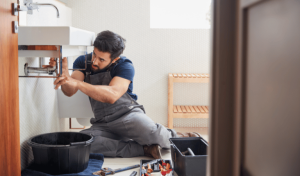
Follow Up on Plumbing Deficiencies
Leaky faucets, dripping pipes, or slow drainage may seem minor, but post-inspection is the perfect time to fix them. Water damage can spread fast in Florida’s climate, and even a small leak can lead to mold or increased utility bills. Consider insulating exposed pipes to enhance water efficiency and reduce heat loss.
Upgrade or Repair Electrical Components
If the inspection flagged outdated wiring, insufficient grounding, or overloaded circuits, hire a licensed electrician to make necessary upgrades. These issues are huge safety concerns and may also prevent your home from meeting insurance or code requirements. Replacing outdated fixtures and adding surge protection can also reduce energy waste and fire risk.
Seal Windows and Doors for Efficiency and Protection
Tampa’s heat and moisture can infiltrate through poorly sealed windows and doors, which is often highlighted in inspection reports. Re-caulking or weatherstripping these areas will not only prevent water intrusion but also help regulate indoor temperatures and lower energy bills. Well-sealed openings reduce strain on your HVAC system and improve overall home comfort.
Reinforce Attic and Crawlspace Ventilation
Inadequate attic ventilation is a common issue noted during inspections in humid climates like Tampa. Improving airflow in these spaces can prevent mold, reduce moisture accumulation, and improve energy performance. Proper ventilation allows hot air to escape, lowering cooling costs and protecting roofing materials from heat damage.
Pest-Proof Your Home Post-Inspection
Termites, ants, and rodents are common concerns in Tampa, especially in crawl spaces and around the foundation. If your inspection showed signs of pest activity, call a licensed exterminator and take steps to seal entry points. Left unchecked, infestations can spread quickly and lead to structural damage or costly repairs down the line.
Act on Structural Concerns Immediately
Cracks in the foundation, sloping floors, or sagging walls mentioned in the inspection report should be evaluated by a structural engineer. Tampa’s shifting soil and high water table can worsen these problems if ignored. Prompt repairs not only ensure safety but also protect your home’s long-term value and prevent further deterioration. Also such repairs may be required by your insurance company before they finalize or renew coverage.
Cost of Home Repairs and Maintenance in Tampa
Home repairs and maintenance are ongoing responsibilities for homeowners, especially in a climate like Tampa’s, where the environment can accelerate wear and tear on properties. Understanding the typical costs of repairs and how to budget for them can help homeowners prepare financially and avoid unpleasant surprises. This section will provide insights into common repair costs and how to budget for maintenance tasks throughout the year.
Average Repair Costs for Common Home Issues
In Tampa, the cost of home repairs can vary widely depending on the scope of issue and the size of the property. Homeowners should be aware of common issues that may arise and be prepared for the associated costs.
- Plumbing Fixes: Plumbing issues are common in older homes or ones with outdated systems. The cost for plumbing repairs can range from $100 for minor fixes like leaky faucets to several thousand dollars for major repairs such as replacing sewer lines. It’s important to address plumbing issues quickly to avoid water damage or mold growth.
- Roofing Issues: Tampa’s frequent storms and hurricanes can cause roof damage. The cost to repair a roof in Tampa Bay averages between $300 and $1,500, depending on the extent of the damage. Replacing shingles or sealing leaks can be relatively affordable, but extensive roof repairs or replacements can run upwards of $5,000 or more.
- Pest Control Treatments: Tampa’s humid climate creates an ideal environment for pests, especially termites. Regular pest control services can range from $100 to $500 per treatment, depending on the severity of the infestation. Termite treatments or tent fumigations can cost anywhere from $1,000 to $3,000. Annual inspections are crucial to catch potential infestations early and prevent damage to your property.
Budgeting for Seasonal Maintenance
Tampa’s climate requires specific seasonal maintenance to protect the home from damage caused by extreme weather conditions. Budgeting for these seasonal tasks can help homeowners avoid emergency repairs and ensure their home remains in good condition year-round.
- Air Conditioning Servicing: Air conditioning units work hard during Tampa’s hot summers, and regular servicing is essential for keeping them functioning efficiently. A typical air conditioning tune-up costs around $100 to $200. Regular maintenance can extend the lifespan of your system and help prevent expensive repairs during peak use times.
- Roof Inspections After Hurricane Season: After hurricane season, it’s wise to have a professional roof inspection to check for any damage caused by high winds or storms. Roof inspections in Tampa generally cost between $150 and $300. These inspections can help identify issues early on, preventing larger repairs and ensuring the home is protected during the next storm season.
- Gutter Cleaning: Seasonal maintenance should always include cleaning gutters and downspouts. In Tampa, where heavy rainfall is common, clogged gutters can cause water to overflow and pool near the foundation, leading to potential structural damage or interior leaks. Professional gutter cleaning typically costs between $75 and $150 and helps ensure proper drainage around your home.
- Pest Control and Moisture Management: Tampa’s humid environment increases the risk of moisture-related problems like mold and attracts common pests such as termites, ants, and rodents. Routine pest control treatments, along with effective moisture management strategies—like sealing leaks and improving ventilation—should be part of your ongoing maintenance plan. These services are essential for protecting your home’s structure and air quality.
By setting aside a maintenance budget for these tasks, homeowners can ensure their property is protected during Tampa’s changing seasons and avoid unexpected repair costs.
Hiring Professionals for Post-Inspection Repairs
Post-inspection repairs often require specialized knowledge and skills. While some minor repairs can be handled DIY, many of the issues require professional attention to ensure they’re properly addressed. Hiring the right contractor ensures repairs meet local building codes and are completed safely. Rushing or attempting complex fixes without the proper expertise can lead to bigger problems and higher costs down the line.
How to Choose the Right Contractor for Repairs
When hiring a contractor for post-inspection repairs, it’s crucial to choose someone who is experienced, trustworthy, and knowledgeable about the specific needs of homes in Tampa. Here are key factors to consider when selecting a contractor:
- Qualifications and Certifications: Ensure the contractor is licensed and insured. For certain repairs, such as electrical, plumbing, or structural work, certifications from organizations like the Florida Department of Business and Professional Regulation are important indicators of professionalism.
- Experience in Tampa’s Climate: Tampa’s unique weather conditions can cause specific types of damage to homes, such as moisture-related issues, roof wear from storms, and pest infestations. Choose a contractor who understands the local climate and has experience working on homes in the area. This expertise will help ensure that the repairs are done correctly and that the home is protected from future damage.
- Reputation and Reviews: Research the contractor’s reputation through online reviews, referrals, and references from previous clients. Recommendations from friends or neighbors can also be helpful in selecting a trusted professional.
- Get Multiple Quotes: Always request repair estimates from at least two or three reputable contractors before committing to any repair work. This allows you to compare pricing, timelines, and the scope of services, helping you make an informed decision based on value—not just cost.
You may also read: The Ultimate Guide to Home Inspection in Tampa, Florida
Conclusion
Staying proactive after a home inspection is one of the smartest decisions a Tampa homeowner can make. From managing moisture and humidity to addressing structural concerns early, timely repairs and regular upkeep help safeguard your home’s value, comfort, and safety. In a climate like Tampa’s—where storms, heat, and pests can quickly accelerate wear—acting on your inspection report isn’t optional; it’s essential. A solid post-inspection maintenance strategy helps prevent minor concerns from turning into major, costly problems down the road.
At Tampa Home Inspections, we offer comprehensive home inspection services tailored to the needs of Florida homeowners, including standard home inspections, wind mitigation inspections, 4-point inspections, and pre-drywall inspections. Our certified inspectors are trained to identify everything from structural concerns to moisture intrusion risks, helping you spot potential issues before they turn into costly problems. Whether you’re buying, selling, or simply working to stay ahead of routine maintenance, our detailed evaluations give you the clarity and confidence needed to make informed decisions. Call us today at (813) 492-6877 or visit our website to schedule your next inspection—and let us help you protect your investment with inspections you can trust.