Key Takeaway
A 4-point inspection and a wind mitigation inspection serve different purposes. While a 4-point inspection evaluates the home’s primary systems (HVAC, electrical, plumbing, and roofing), a wind mitigation inspection specifically assesses the home’s wind-resistant features to help qualify for insurance discounts.
Introduction
When it comes to home inspections, it’s crucial to understand the differences between a 4-point inspection and a wind mitigation inspection.
Both inspections are valuable but serve distinct purposes. Knowing what each inspection entails can help homeowners make informed decisions and potentially save on insurance premiums.
What is a 4-Point Inspection?
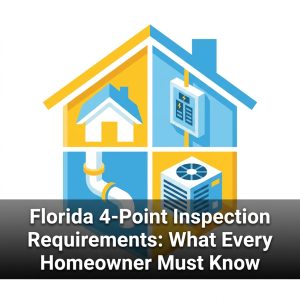
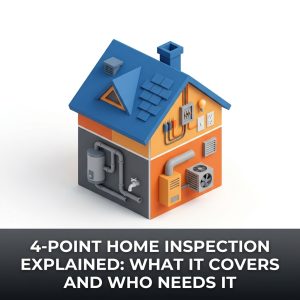
A 4-point inspection is a focused evaluation of four primary systems in a home:
- HVAC (Heating, Ventilation, and Air Conditioning)
- Electrical Wiring and Panels
- Plumbing Connections and Fixtures
- Roofing Condition and Structure
This inspection is often required by insurance companies for homes over 30 years old to determine the insurability of the property. The inspection ensures that these systems are in good working order and do not pose significant risks, thereby helping to secure a comprehensive insurance policy.
For more details on a 4-point inspections, please visit our extensive guide.
What is a Wind Mitigation Inspection?
A wind mitigation inspection assesses the home’s wind-resistant features, which can reduce the risk of damage during storms. Key aspects evaluated include:
- Roof Shape
- Roof Deck Attachment
- Roof-to-Wall Attachment
- Secondary Water Resistance
- Opening Protection (Hurricane Shutters and Storm Shutters)
This inspection helps homeowners qualify for wind mitigation credits, leading to significant insurance premium discounts. It focuses on features that enhance the home’s ability to withstand strong winds and hurricanes, thereby reducing potential insurance claims for strong windstorm damage.
For a comprehensive understanding of wind mitigation inspections, including costs, benefits, and procedures, visit our detailed guide here.
Differences Between 4-Point and Wind Mitigation Inspections
| Inspection Type | 4-Point Inspection | Wind Mitigation Inspection |
|---|---|---|
| Focus | HVAC, Electrical, Plumbing, Roofing | Wind-Resistant Features |
| Purpose | Evaluate Insurability of Older Homes | Qualify for Insurance Discounts |
| Key Features Inspected | HVAC Systems, Electrical Panels, Plumbing Fixtures, Roof Condition | Roof Shape, Roof Deck Attachment, Roof-to-Wall Attachment, SWR, Openings |
| Who Requires It? | Insurance Companies for Homes Over 30 Years Old | Homeowners Seeking Insurance Discounts |
Visit our detailed guide for an in-depth look at the differences between wind mitigation and 4-point inspections.
When is a Wind Mitigation Inspection Needed?
A wind mitigation inspection is essential when you are purchasing a new home, renewing your homeowners insurance policy, or making significant improvements to your home’s wind-resistant features.
Insurance companies offer substantial discounts on premiums for homes with verified wind mitigation features. This inspection focuses on the structural elements that make your home more resistant to strong winds and hurricanes, such as roof shape, roof deck attachment, and the presence of storm shutters or secondary water barriers.
When is a 4-Point Inspection Needed?
A 4-point inspection is typically required for older homes, usually those that are 30 years or older, to obtain or renew a homeowners insurance policy. This inspection evaluates four main systems of the home: HVAC (Heating, Ventilation, and Air Conditioning), electrical wiring and panels, plumbing connections and fixtures, and the roof’s condition.
It helps insurance companies assess the risk of insuring the property by ensuring these systems are up to code and in good working condition.
Common Misconception: 4-Point Inspection Includes Wind Mitigation
It is a common misconception that a 4-point inspection includes wind mitigation. Many homeowners believe that by completing a 4-point inspection, they are also addressing wind mitigation aspects.
However, these inspections are separate and distinct. The 4-point inspection focuses on the primary systems of the home to assess their condition and potential risks.
In contrast, a wind mitigation inspection specifically evaluates the home’s features that provide resistance to strong winds and hurricanes.
How Both Inspections Help in Home Safety
4-Point Inspection:
- Ensures the home’s major systems are in good working order.
- Identifies potential safety hazards in HVAC, electrical, and plumbing systems.
- Evaluates the condition of the roof to prevent leaks and structural damage.
Wind Mitigation Inspection:
- Assesses features that protect the home against strong winds and hurricanes.
- Helps homeowners implement wind-resistant upgrades for enhanced safety.
- Provides detailed inspection reports that can be used to secure insurance discounts, incentivizing the maintenance of wind-resistant features.
Benefits of a Wind Mitigation Inspection
A wind mitigation inspection is essential for homeowners to ensure their homes are protected against heavy wind, major storms, and tropical storms.
This inspection identifies resistant features such as roof deck attachment, secondary water resistance, hip roofs, and storm shutters that help mitigate wind damage. Conducted by a licensed home inspector, this inspection also evaluates roof trusses and roof coverings.
By implementing these features, homeowners can qualify for insurance discounts, insurance credits, and windstorm mitigation credits. This not only enhances home safety but also provides substantial savings on insurance premiums.
Discover how a wind mitigation inspection can help you save on insurance, by visiting our detailed guide for detailed insights here.
The Critical Importance of Wind Mitigation Inspections in Hurricane-Prone States
In hurricane-prone states, Wind Mitigation Inspections are crucial for ensuring home safety and reducing insurance costs.
These inspections evaluate key features like roof shape, roof deck attachment, type of roof covering, roof to wall connection and storm shutters to determine a home’s resistance to strong winds. By identifying resistant features, homeowners can qualify for insurance discounts and wind mitigation credits.
Insurance companies offer significant savings on insurance premiums for homes with verified wind mitigation features, such as secondary water resistance and hurricane-rated doors.
These inspections not only protect against heavy wind damage but also ensure compliance with building codes, providing peace of mind during major storms and tropical storms.
Investing in a wind mitigation inspection is a proactive step towards safeguarding property and achieving insurance savings.
Conclusion
Understanding the difference between a 4-point inspection and a wind mitigation inspection is crucial for homeowners. While a 4-point inspection evaluates the primary systems of the home, a wind mitigation inspection focuses on wind-resistant features, offering potential insurance savings.
Contact Tampa Home Inspections today to schedule your wind mitigation inspection and ensure your home is well-protected and eligible for insurance discounts.