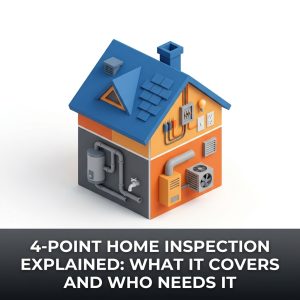
Quick Answer: What Can a Home Inspector NOT Tell You? Limitations Explained?
A home inspector cannot definitively tell you about future issues or conditions that are hidden from plain view, such as the exact lifespan of major systems or problems behind walls. They also cannot provide legal or financial advice regarding the property. To gain a fuller picture, homeowners should consult with specialized professionals for specific concerns and review all property disclosures thoroughly. Key factors to consider before acting on an inspection report include the inspector’s qualifications, the scope of the inspection agreement, and the age and condition of the home’s systems.
A home inspection is a crucial step in the property buying and selling process, offering a snapshot of a property’s current condition. However, it’s essential to understand that home inspectors operate within certain boundaries. They are trained to identify visible defects and potential problems but cannot predict the future performance of a home’s systems or uncover concealed issues.
John Sisto, the expert home inspector behind Tampa Home Inspections, emphasizes the importance of managing expectations. “Our role is to provide a professional, objective assessment of the home’s condition on the day of the inspection,” says Sisto. “We are not fortune-tellers. We identify what is present and observable, not what might happen years down the line or what’s hidden behind finished surfaces.”
The Scope of a Home Inspection

A standard home inspection typically covers the major components of a house, including the foundation, structure, roof, plumbing, electrical systems, heating and cooling systems, insulation, and interior finishes. Inspectors look for signs of damage, wear and tear, improper installation, or potential safety hazards. They examine accessible areas, such as attics, basements, crawl spaces, and visible plumbing and electrical panels.
The goal is to give a potential buyer or seller a clear understanding of the property’s current state and any immediate or significant issues that require attention. This information is invaluable for making informed decisions, whether it’s negotiating a purchase price, requesting repairs, or understanding ongoing maintenance needs.
What Home Inspectors Cannot Do
While thorough, a home inspection has limitations. Understanding these boundaries is key to a successful property transaction and homeownership.
1. Predicting Future Failures
Home inspectors assess the current condition of systems and components. They can identify if a furnace is old, if its performance seems subpar, or if there are visible signs of rust or damage. However, they cannot predict precisely when that furnace will fail. A system that appears to be functioning adequately on the day of inspection could break down weeks or months later.
Similarly, while an inspector might note a roof’s age and the condition of some shingles, they cannot guarantee how much longer the roof will last. Factors like unexpected severe weather or manufacturing defects can shorten a roof’s lifespan beyond what an inspection can reveal.
2. Uncovering Hidden Defects
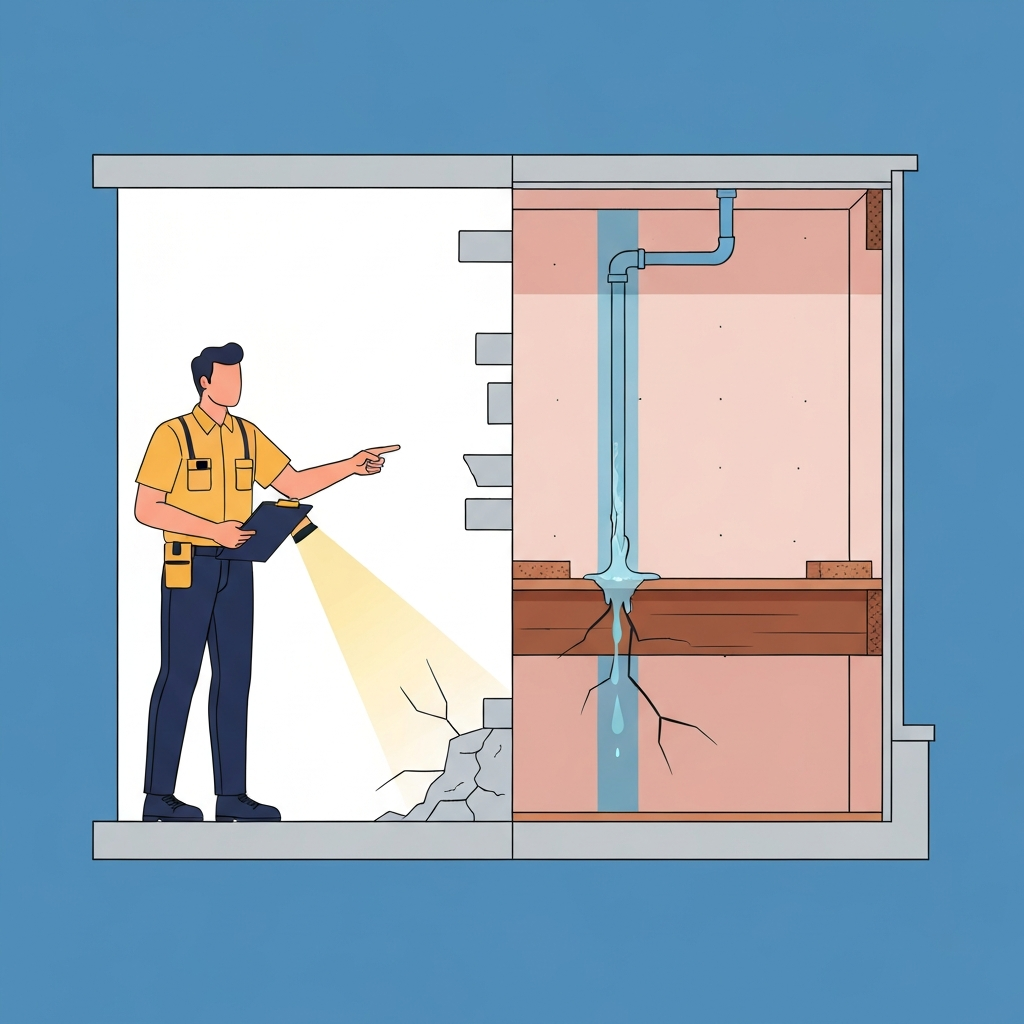
Inspectors are limited to examining what is readily accessible and visible. They cannot move furniture, remove stored items, dismantle appliances, or cut into walls or ceilings to check for issues like mold, pest infestations, or faulty wiring behind finished surfaces.
If a home has had recent renovations, especially those that cover up existing structures or systems, the inspector may not be able to assess the condition of what lies beneath. This is why reviewing seller disclosures, which document known issues, is so important.
3. Providing Specialized Assessments
A general home inspection is not a substitute for specialized assessments. For instance, a home inspector will visually inspect the foundation and note any visible cracks or signs of settlement. However, they are not structural engineers. If significant foundation issues are suspected, the inspector will recommend that a structural engineer be consulted for a more in-depth analysis.
The same applies to other areas. Inspectors may identify potential issues with electrical systems, but they are not licensed electricians. They can spot problems with plumbing fixtures, but they are not licensed plumbers. For concerns about hazardous materials like asbestos or lead paint, or for detailed assessments of HVAC systems, specialized professionals are needed.
4. Assessing Code Compliance
Home inspectors generally do not assess whether the home or its systems comply with current building codes. Building codes are complex and vary by location. An inspector’s report focuses on safety and functionality based on standard practices and observable conditions, not necessarily strict adherence to every code regulation, especially for older homes that may have been built before current codes were enacted.
5. Evaluating Cosmetic Issues
Inspectors focus on significant defects that affect the safety, soundness, or operational integrity of the home. Minor cosmetic issues, such as small paint scuffs, minor grout imperfections, or slightly worn carpeting, are typically outside the scope of a standard inspection report.
6. Providing Legal or Financial Advice
A home inspector is not qualified to offer legal advice (e.g., regarding property lines, easements, or zoning) or financial advice (e.g., about the home’s market value, potential repair costs, or investment potential). These matters require consultation with real estate attorneys, appraisers, or financial advisors.
7. Identifying Environmental Hazards
While inspectors may note obvious signs of potential environmental hazards (like visible mold growth or the presence of an old oil tank), they typically do not conduct specialized testing for things like radon, mold spores in the air, lead paint, asbestos, or underground storage tanks. Such testing requires specific equipment and expertise, and samples often need to be sent to a laboratory for analysis.
When to Call a Specialist
Based on the home inspector’s findings, or if you have specific concerns, it’s often prudent to bring in other professionals.
Structural Engineers
If the inspection report indicates significant foundation issues, such as large cracks, bowing walls, or signs of settlement, a structural engineer can provide a detailed assessment of the problem, its causes, and potential solutions.
Licensed Electricians and Plumbers
For complex electrical or plumbing issues, or if the inspector flags concerns about the safety or functionality of these systems, consulting a licensed professional in each trade is advisable. They can perform more thorough diagnostics and repairs.
HVAC Technicians
Heating, ventilation, and air conditioning systems are critical. While an inspector can assess general operation, an HVAC technician can perform detailed maintenance, tune-ups, and diagnose specific problems that might not be apparent during a standard inspection.
Pest Control Experts
If there are signs of termite damage, wood-destroying insects, or other pest infestations, a pest control professional can identify the type of pest, assess the extent of the infestation, and recommend treatment options.
Environmental Testing Professionals
For concerns about radon, lead paint, asbestos, or indoor air quality, specialized testing services are available. These professionals use specific protocols and equipment to test for and identify hazardous substances.
The Role of Seller Disclosures
Seller disclosure statements are legal documents where the seller provides information about the property’s condition, including any known defects or issues. While inspectors focus on observable conditions on the day of the inspection, seller disclosures offer insights into problems the seller is aware of, even if they are not immediately visible. Buyers should always read these documents carefully and compare the information with the home inspection report.
Understanding the Inspection Report
After the inspection, you will receive a detailed report outlining the inspector’s findings. This report is a critical document. It should clearly state what was inspected, what issues were found, and whether they are considered minor or significant. It should also indicate when a specialist consultation is recommended.
Tampa Home Inspections provides comprehensive reports that include photographs and clear explanations to help clients understand the condition of the home. John Sisto advises clients to review the report thoroughly and ask questions. “Don’t just look at the summary page,” he states. “Read the details for each system. Understanding the context of each finding is crucial.”
Making Informed Decisions
The information from a home inspection, combined with seller disclosures and any specialized assessments, empowers you to make informed decisions.
- For Buyers: You can use the inspection report to negotiate the purchase price, request repairs from the seller, or, in some cases, withdraw from the purchase if the issues are too significant.
- For Sellers: An inspection can help you identify potential problems before listing your home, allowing you to make repairs and present your property in the best possible light, potentially avoiding surprises during the buyer’s inspection.
Frequently Asked Questions
Can a home inspector tell me if the house will have problems in the future?
No, a home inspector cannot predict future problems. Their assessment is a snapshot of the home’s condition on the day of the inspection, focusing on visible and accessible issues. They cannot foresee when a system will fail or if latent defects will emerge.
What if the inspector missed something?
While inspectors strive for accuracy, errors or omissions can occur. If a significant issue is discovered shortly after purchase that a reasonably diligent inspector should have found, you may have grounds to pursue recourse, depending on the inspector’s contract and your local regulations. It’s always wise to review the inspection report and contract carefully.
Can a home inspector tell me if a home is a good investment?
No, a home inspector’s role is not to provide investment advice. They assess the physical condition of the property, not its market value or financial potential. For investment advice, consult with a real estate agent or financial advisor.
Do I need to be present during the inspection?
It is highly recommended that you attend the inspection. This allows you to ask the inspector questions directly, see potential issues firsthand, and gain a better understanding of the home’s systems and condition.
Can a home inspector advise on the cost of repairs?
Typically, home inspectors do not provide specific cost estimates for repairs. They will identify issues and may note their severity, but they are not contractors. For repair cost estimates, you will need to get quotes from qualified contractors.
Are there limitations to inspecting the roof?
Yes, roof inspections have limitations. Inspectors can generally assess the visible condition of the roofing materials from the ground or by walking on the roof (if safe). However, they cannot typically see issues underneath shingles, such as damaged decking, or predict the exact remaining lifespan of the roof. Severe weather or hidden defects can impact roof integrity unexpectedly.
Key Takeaways
- Home inspectors provide a visual assessment of a property’s condition on the day of the inspection.
- They cannot predict future failures of home systems or components.
- Inspectors are limited to accessible areas and cannot uncover hidden defects behind walls or under finishes.
- Specialized assessments (e.g., structural engineering, environmental testing) are outside the scope of a general home inspection.
- Code compliance is generally not evaluated by home inspectors.
- Cosmetic issues and legal/financial advice are not part of a home inspection.
- Always review seller disclosures and consider consulting specialists for specific concerns.
- Attending the inspection and asking questions is highly beneficial for buyers.
Conclusion
A home inspection is an indispensable tool for understanding a property’s current condition, but it’s vital to acknowledge its limitations. Home inspectors are trained professionals who offer valuable insights into the visible state of a home’s major systems and components. However, they are not clairvoyant, nor are they specialists in every field. They cannot foresee future issues, uncover hidden defects without destructive testing, provide legal or financial counsel, or guarantee adherence to every building code.
By understanding what a home inspector can and cannot tell you, you can approach the process with realistic expectations. Supplementing the inspection with specialized assessments when necessary, carefully reviewing seller disclosures, and consulting with other professionals like contractors, engineers, and legal advisors will provide a more complete picture. This comprehensive approach ensures you are well-equipped to make sound decisions, whether you are buying, selling, or maintaining your home. Remember, the inspection report is a guide, not a crystal ball, and informed decision-making relies on gathering information from multiple reliable sources.