A startling statistic from the National Association of Home Builders (NAHB) indicates that approximately 1% of a home’s value can be attributed to potential issues that arise in the first year. Many of these problems are minor but can become significant if left unattended. Scheduling an 11th-month warranty inspection is a proactive step homeowners can take to address these concerns before their builder’s one-year warranty expires. This inspection acts as a final opportunity to document and request repairs for defects that may have appeared since the home’s completion.
What is an 11th Month Warranty Inspection?
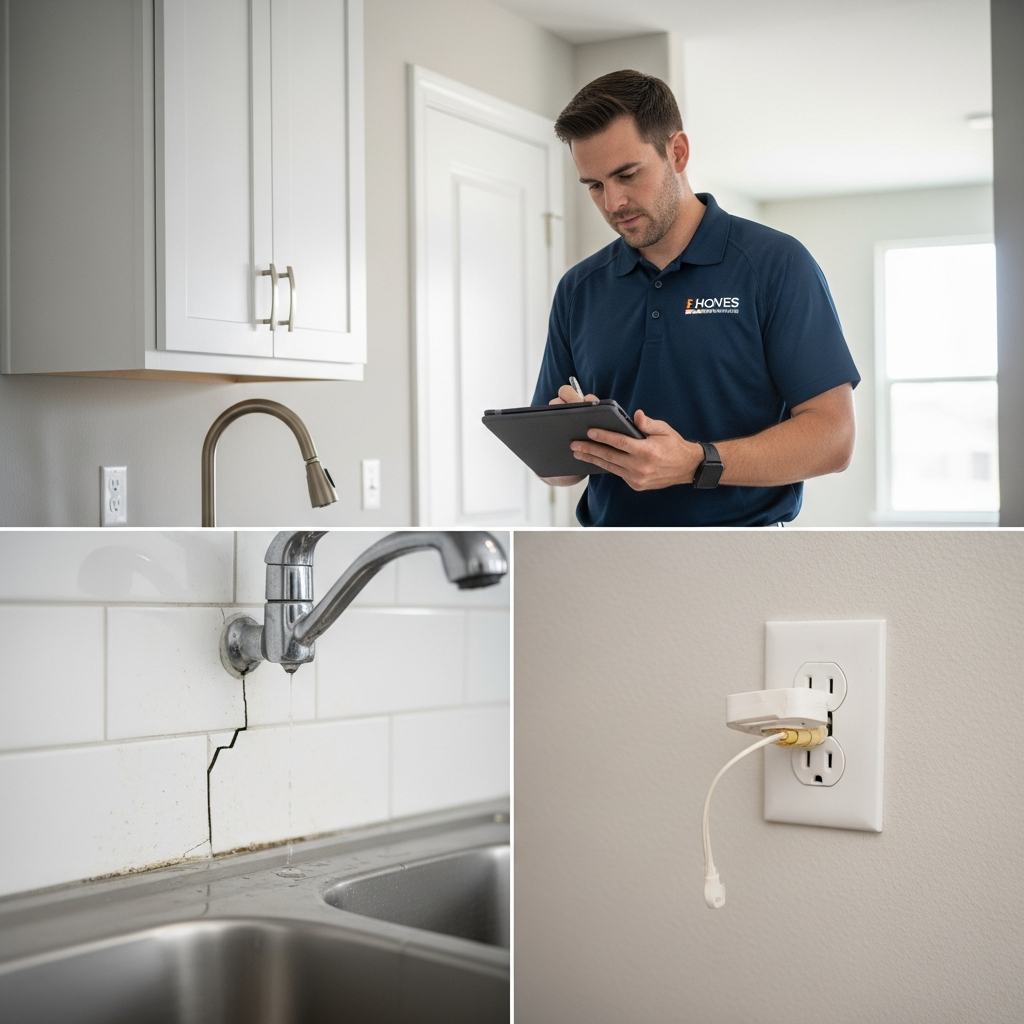
An 11th-month warranty inspection is a service performed by a qualified home inspector just before the end of the first year of a new home’s warranty period. Its primary purpose is to identify any issues or defects that have arisen during the initial year of occupancy. These issues could stem from the construction process, material settling, or environmental factors. The inspection report serves as crucial documentation for homeowners to present to their builder for warranty claims. Many builders offer a one-year warranty that covers defects in materials and workmanship, and this inspection ensures all potential claims are made within that timeframe.
Why is the 11th Month Critical for Homeowners?

The first year of homeownership is when many latent defects, those not immediately apparent, tend to surface. Materials settle, systems are put to the test under daily use, and minor construction flaws can become more noticeable. The 11th month is a strategic time because it falls within the builder’s typical one-year warranty period, which usually expires 365 days after the closing date. Waiting longer means any discovered issues will likely fall outside the builder’s responsibility, leaving the homeowner to bear the repair costs. This inspection provides a final chance to have the builder address these items at no cost to the homeowner.
Common Issues Found During an 11th Month Inspection
Home inspectors look for a wide range of potential problems. These often fall into categories such as structural, electrical, plumbing, HVAC, and exterior issues. Common findings include:
- Exterior:
- Cracks in stucco or siding.
- Improper grading leading to water pooling near the foundation.
- Damaged or missing shingles on the roof.
- Faulty caulking around windows and doors.
- Interior:
- Cracks in drywall or plaster.
- Sticking doors or windows.
- Faulty plumbing fixtures (leaks, low water pressure).
- Issues with HVAC system performance (uneven heating/cooling).
- Electrical problems (outlets not working, flickering lights).
- Foundation:
- Minor settlement cracks in the foundation walls.
- Evidence of moisture intrusion in the basement or crawl space.
- Roof:
- Damaged flashing around chimneys or vents.
- Sagging rooflines.
A detailed report from a professional inspector will document each finding with descriptions and photographic evidence. This documentation is vital for substantiating warranty claims.
The Role of a Professional Home Inspector
A professional home inspector offers an objective, third-party assessment of the home’s condition. They possess the expertise to identify issues that a homeowner might overlook. Their training covers various building systems and potential defect types. Choosing an inspector experienced with new construction and warranty inspections is particularly beneficial. They understand common new-build issues and how to document them effectively for warranty purposes. The inspector’s report is a neutral document that clearly outlines the condition of the home at the close of the first year.
How to Select the Right Inspector
When selecting an inspector for your 11th-month warranty check, consider these factors:
- Experience with New Construction: Look for inspectors who regularly conduct inspections on newly built homes. They are familiar with common issues specific to this stage of a home’s life.
- Credentials and Certifications: Ensure the inspector is licensed (if required in your state) and certified by a reputable organization, such as the American Society of Home Inspectors (ASHI) or InterNACHI.
- Reputation and Reviews: Check online reviews and ask for references from previous clients. A good reputation indicates reliability and thoroughness.
- Detailed Reporting: Ask to see a sample report. It should be comprehensive, clearly written, and include photographs.
- Insurance: Verify that the inspector carries Errors & Omissions (E&O) insurance and general liability insurance.
An experienced inspector from a reputable firm like Tampa Inspecting can provide peace of mind and a valuable report.
What Happens After the Inspection?
Once the inspection is complete, the homeowner receives a detailed report. The next step involves reviewing this report carefully. Homeowners should then compile a list of all items they wish to have addressed by the builder, using the report as their guide. This list should be submitted to the builder in writing, typically through the customer service or warranty department.
It is important to follow the builder’s specific procedures for submitting warranty claims. Many builders have online portals or specific forms for this purpose. The builder will usually schedule a follow-up visit with their own warranty team or subcontractors to assess the reported issues and perform the necessary repairs. Homeowners should be present during these repair visits to ensure the work is completed satisfactorily.
What if the Builder Refuses to Make Repairs?
If a builder is unresponsive or refuses to make necessary repairs covered under the warranty, homeowners have several options. First, ensure all communication with the builder is documented in writing (emails, certified letters). If direct communication fails, the next step might involve sending a formal demand letter.
Many new home purchase agreements include a clause requiring mediation or arbitration before legal action. Homeowners should review their contract carefully. If these steps do not yield results, consulting with an attorney specializing in construction defect litigation or consumer protection law may be necessary. State consumer protection agencies can also offer guidance and resources. The inspection report is critical evidence in any dispute.
The Value of Proactive Home Maintenance Beyond the First Year
While the 11th-month inspection focuses on the builder’s warranty, proactive home maintenance remains essential throughout the home’s life. Regular checks and upkeep can prevent minor issues from escalating into costly repairs. This includes:
- Regular HVAC filter replacement: Improves air quality and system efficiency.
- Gutter cleaning: Prevents water damage to the roof and foundation.
- Checking for leaks: Regularly inspect plumbing fixtures, under sinks, and around toilets.
- Monitoring the roof: Look for damaged or missing shingles after severe weather.
- Maintaining landscaping: Ensure proper grading away from the foundation.
- Testing smoke and carbon monoxide detectors: Ensures safety.
Consistent maintenance not only preserves the home’s value but also contributes to a safer and more comfortable living environment. Resources like the U.S. Department of Housing and Urban Development (HUD) offer general guidance on home maintenance. https://www.hud.gov/
Understanding Different Home Warranties
It’s important to distinguish between various types of home warranties. The one-year warranty from the builder typically covers defects in materials and workmanship. Beyond this, homeowners might encounter:
- Ten-Year Structural Warranties: These are often provided by third-party warranty companies or the builder and cover major structural components like the foundation, beams, and load-bearing walls. They usually have specific coverage limits and exclusions.
- Home Service Contracts (often mislabeled “home warranties”): These are service contracts that cover the repair or replacement of major home systems and appliances (like HVAC, plumbing, electrical systems, refrigerators, ovens) that fail due to normal wear and tear. They are purchased by the homeowner and are separate from builder warranties. Companies like American Home Shield or Choice Home Warranty offer these.
The 11th-month inspection specifically targets the builder’s one-year warranty for defects in materials and workmanship. Understanding the scope of this warranty is key to a successful inspection.
Preparing for Your 11th Month Inspection
To maximize the benefit of your 11th-month inspection, prepare thoroughly. Gather all documentation related to your home’s purchase, including the original purchase agreement, any warranty documents provided by the builder, and notes on issues you may have already observed.
When the inspector arrives, be present if possible. Walk through the home with them, pointing out any specific concerns you have. Provide access to all areas of the home, including the attic, crawl space, basement, garage, and all rooms. Ensure utilities are on and that the HVAC system is operational so the inspector can test them. A well-prepared homeowner can help the inspector be more efficient and thorough.
Key Takeaways
- The 11th-month warranty inspection is a crucial final opportunity to identify and report construction defects to your builder before the one-year warranty expires.
- Many issues common in new homes, such as drywall cracks, minor foundation settlement, and plumbing leaks, surface within the first year.
- A professional, certified home inspector provides an objective assessment and detailed report, vital for warranty claims.
- Choosing an inspector experienced with new construction is recommended.
- Document all communications with your builder regarding warranty claims.
- Proactive home maintenance beyond the first year is essential for long-term home care.
- Understand the difference between builder warranties, structural warranties, and home service contracts.
Frequently Asked Questions
What is the primary goal of an 11th month warranty inspection?
The main objective is to identify any defects in materials or workmanship that have appeared during the first year of homeownership. This allows homeowners to formally request the builder to address these issues under the terms of their one-year warranty before it expires.
How much does an 11th month warranty inspection typically cost?
The cost varies depending on location and the size of the home, but generally ranges from $300 to $600. This fee is an investment that can save homeowners thousands of dollars in repair costs they would otherwise have to cover themselves.
Can I perform the 11th month inspection myself?
While you can certainly observe your home for issues, a professional inspection is highly recommended. Inspectors have specialized knowledge, tools, and experience to identify potential problems that a homeowner might miss. Their detailed, documented report is also more credible when presenting claims to a builder.
What if I discover a major issue after the 11th month inspection?
If a significant issue arises after the 11th month and the warranty has expired, it is generally the homeowner’s responsibility to pay for repairs. However, if the issue can be proven to have originated during the warranty period and was documented or should have been reasonably discovered during the 11th-month inspection, there might be grounds for a dispute. Consulting a legal professional is advisable in such cases.
Should I use an inspector recommended by my builder?
While some builder recommendations can be trustworthy, it is often best to hire an independent inspector. An independent inspector offers an unbiased perspective, whereas an inspector recommended by the builder might feel pressure to overlook minor issues. Your primary goal is a thorough, objective assessment.
What documentation should I provide to my builder after the inspection?
You should provide the builder with a copy of the professional inspection report. Additionally, create your own detailed list of requested repairs, referencing specific items from the report. Include any photos or notes you have gathered about the issues. Ensure you submit this documentation according to your builder’s warranty claim procedure, keeping a record of submission.
Conclusion
The one-year mark of homeownership presents a critical juncture for new homeowners. The 11th-month warranty inspection is not just an optional service; it is a vital step in protecting your investment. By engaging a qualified professional inspector shortly before your builder’s one-year warranty expires, you ensure that any construction defects are identified and documented. This proactive approach allows you to leverage your builder’s warranty effectively, saving you potential future expenses and ensuring your new home is in optimal condition. Remember that ongoing home maintenance after this initial inspection period is also key to preserving your home’s value and ensuring its long-term integrity.