Foundation issues can be a homeowner’s worst nightmare, often leading to significant structural damage and costly repairs. In Tampa, Florida, understanding the potential cost of a professional foundation inspection in 2026 is crucial for homeowners and potential buyers alike. This article explores the factors influencing foundation inspection costs, typical price ranges, and what a thorough inspection entails, helping you budget effectively and ensure your home’s structural integrity.
What is a Foundation Inspection?
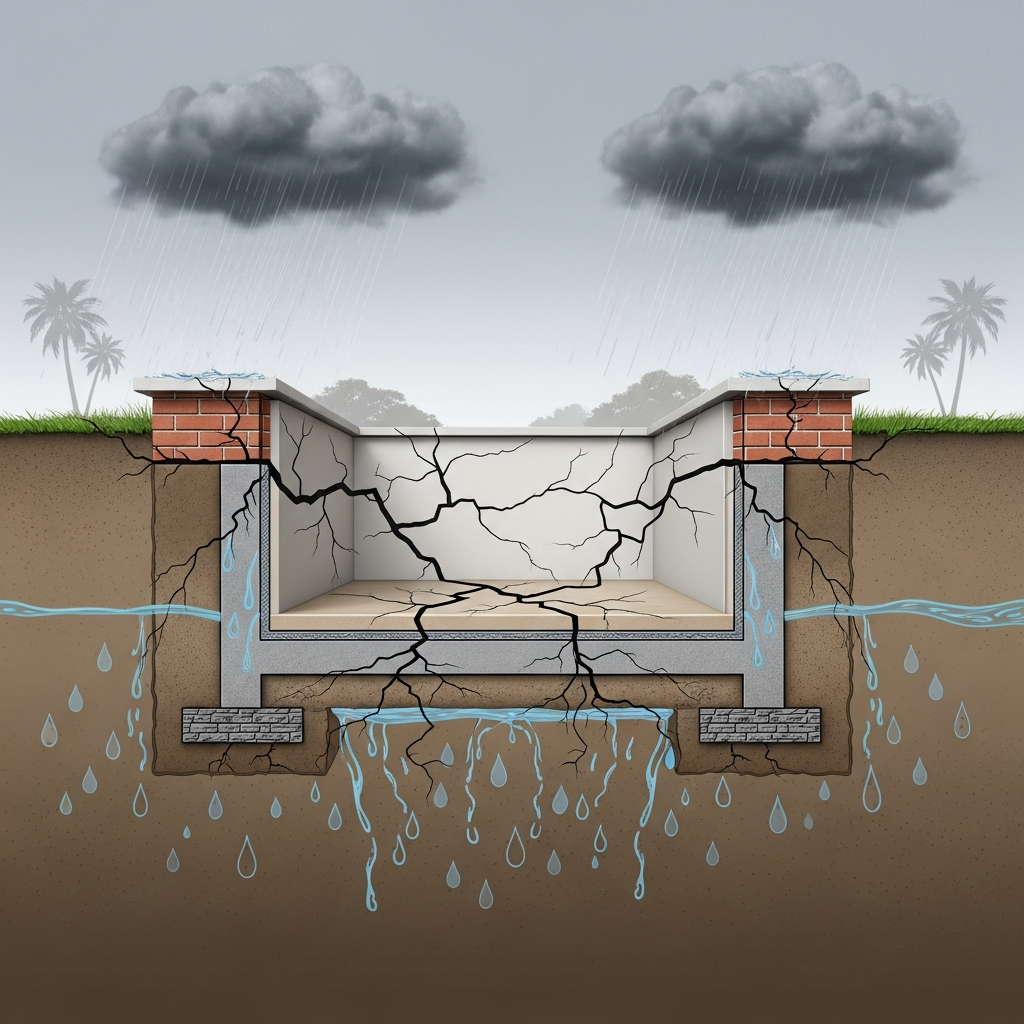
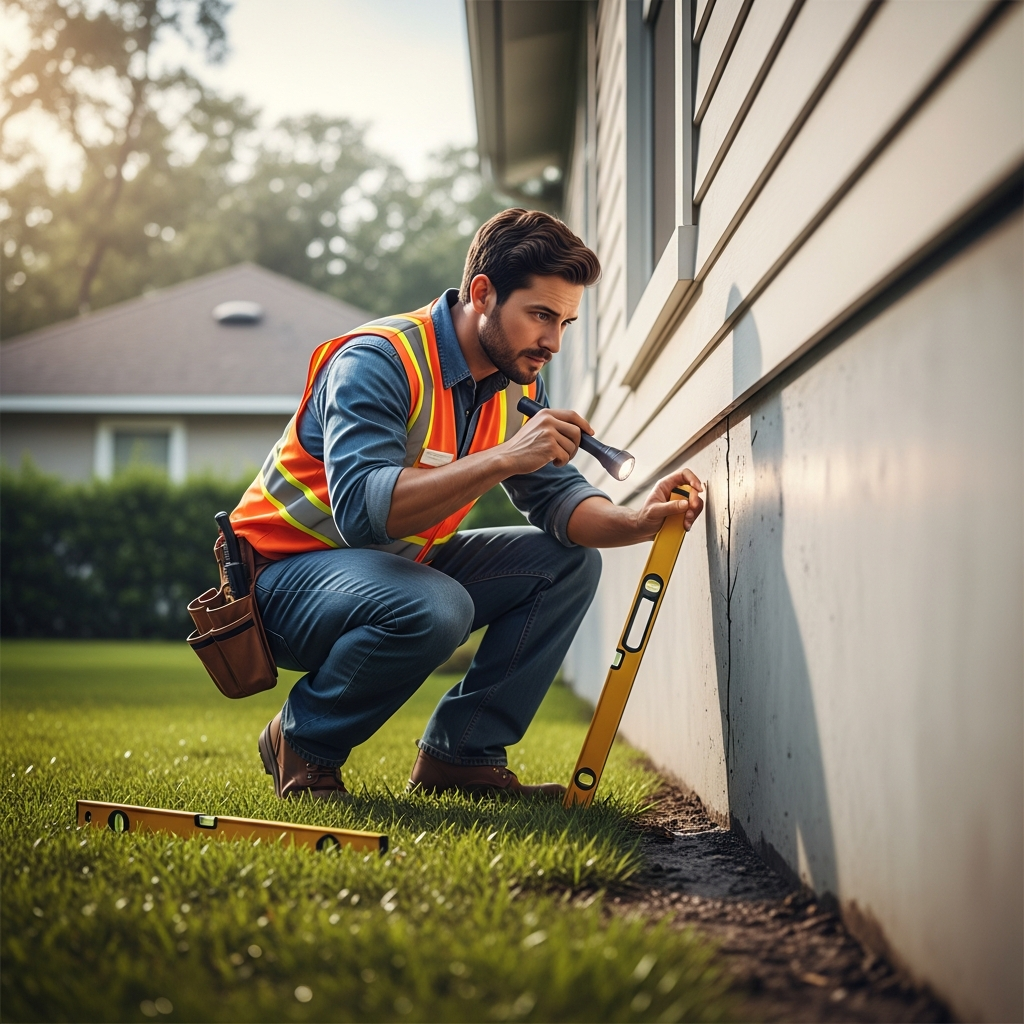
A foundation inspection is a detailed examination of a home’s foundation system. Its purpose is to identify any signs of damage, stress, or potential problems that could affect the home’s stability. Inspectors look for cracks, settlement, water intrusion, and other issues. They assess the foundation’s overall condition and provide a report detailing their findings, often including recommendations for repair or further evaluation. This process is vital for maintaining a home’s safety and value.
Why is a Foundation Inspection Important in Tampa?
Tampa’s climate and soil conditions present unique challenges for home foundations. The region experiences significant rainfall, high humidity, and soil that can be prone to expansion and contraction. These factors can put stress on foundations over time.
- Soil Composition: Tampa’s soil often contains a high clay content. Clay soil expands when wet and shrinks when dry, creating uneven pressure against the foundation. This can lead to cracking and settlement.
- Water Intrusion: Heavy rains and the proximity to the coast mean water management is critical. Poor drainage or plumbing leaks can saturate the soil around the foundation, increasing hydrostatic pressure and potentially causing damage.
- Subsidence: In some areas, soil subsidence, or the sinking of the ground, can occur due to natural geological processes or changes in groundwater levels. This can cause the foundation to shift.
- Building Age: Older homes may have foundations built with materials or techniques that are less resilient to modern environmental stresses.
Regular inspections, especially in areas with these geological factors, help detect problems early, preventing minor issues from becoming major structural failures.
Factors Influencing Foundation Inspection Costs
Several variables determine the final price of a foundation inspection in Tampa. Understanding these factors can help you anticipate the investment required.
Home Size and Square Footage
Larger homes generally require more time and effort to inspect thoroughly. The inspector must cover more ground, examine more structural elements, and potentially spend longer assessing the foundation’s perimeter and interior access points. Consequently, inspections for larger properties typically cost more than those for smaller homes. For example, a 3,000-square-foot home will likely command a higher inspection fee than a 1,500-square-foot home.
Type of Foundation
The complexity of the foundation itself plays a role. Different foundation types require varying inspection approaches and expertise.
- Slab-on-Grade: These are common in Florida. Inspectors check for cracks, settlement, and signs of moisture.
- Crawl Space: Inspecting a crawl space involves more physical effort, including navigating potentially confined or damp areas. The inspector examines pier and beam supports, moisture barriers, and ventilation.
- Basement: While less common in Tampa due to the high water table, homes with basements require inspection of walls, floors, and potential water intrusion points.
Foundations with more complex designs or multiple levels might also incur higher costs due to the increased inspection scope.
Location and Accessibility
The physical location of the home within Tampa and the accessibility of its foundation can affect the price. Homes in remote areas might incur travel surcharges. Furthermore, if the foundation is difficult to access—for instance, due to dense landscaping, decks, or limited clearance in crawl spaces—the inspector might need more time and specialized equipment, potentially increasing the fee.
Inspector’s Experience and Credentials
Highly experienced inspectors with specialized certifications often charge more. Their expertise ensures a more accurate and comprehensive assessment. Look for inspectors who are certified by organizations like the American Society of Home Inspectors (ASHI) or have engineering backgrounds. While a higher price might seem daunting, the value of a skilled inspector’s report is significant, especially when dealing with potential structural issues.
Scope of the Inspection
A standard foundation inspection focuses solely on the foundation system. However, some homeowners opt for a more comprehensive structural inspection that includes the entire home. This broader scope naturally increases the cost. Additionally, if the initial inspection reveals potential issues requiring specialized tools like ground-penetrating radar (GPR) or moisture meters, additional fees may apply for these advanced services.
Urgency and Scheduling
Need an inspection on short notice or during peak season? Expedited services or weekend appointments can sometimes come with additional charges. Planning ahead can help avoid these potential surcharges.
Typical Foundation Inspection Costs in Tampa (2026)
In 2026, homeowners in Tampa can expect foundation inspection costs to range generally from $300 to $800. This range is influenced by the factors mentioned above.
- Basic Inspection: For smaller homes or simpler foundation types, a basic inspection might fall between $300 and $500. This typically covers a visual assessment and a standard report.
- Comprehensive Inspection: For larger homes, complex foundations, or when more detailed analysis is needed, costs can range from $500 to $800. This might include more in-depth checks or specialized equipment usage.
- Engineering Report: If a structural engineer is required for a more detailed analysis or repair recommendations, their fees can be higher, often starting at $700 and going up to $1,500 or more, depending on the complexity.
It is important to note that these figures are estimates for 2026. Prices can fluctuate based on market demand and the specific service provider. Always obtain multiple quotes to compare services and pricing.
What Does a Foundation Inspection Typically Include?
A professional foundation inspection goes beyond a simple visual check. A thorough examination should cover several key areas to provide a complete picture of the foundation’s health.
Visual Assessment of Foundation Walls and Structure
The inspector examines the visible parts of the foundation walls (both interior and exterior) for signs of distress. This includes:
- Cracks: Noting the location, width, length, and type of cracks (e.g., hairline, horizontal, vertical, stair-step).
- Bowing or Leaning: Checking if walls are bulging inward or outward, which can indicate pressure from soil or structural failure.
- Deterioration: Looking for spalling (flaking concrete), crumbling, or efflorescence (a powdery white deposit indicating moisture).
Soil and Moisture Evaluation
Understanding the interaction between the soil and the foundation is critical. Inspectors assess:
- Soil Stability: Observing the soil around the foundation for signs of erosion, compaction, or excessive moisture.
- Water Intrusion: Checking for dampness, water stains, mold, or mildew on foundation walls and floors, especially in crawl spaces or basements.
- Drainage: Evaluating the grading around the house to ensure water flows away from the foundation.
Settlement and Leveling Checks
Settlement occurs when the foundation sinks unevenly. Inspectors look for:
- Uneven Floors: Sloping floors can indicate differential settlement.
- Sticking Doors and Windows: Gaps or difficulty opening doors and windows suggest the frame is no longer plumb due to foundation movement.
- Cracks in Interior Walls: Stair-step cracks in drywall, particularly around door and window frames, often point to settlement.
Support Systems Examination
For homes with crawl spaces or basements, the inspector checks the integrity of support elements:
- Piers and Beams: Ensuring piers are stable, properly spaced, and beams are not sagging or damaged.
- Posts and Columns: Verifying that support posts are plumb and securely anchored.
Reporting and Recommendations
After the inspection, you should receive a detailed written report. This report typically includes:
- Photographic Evidence: Images illustrating any identified issues.
- Detailed Descriptions: Clear explanations of the findings.
- Assessment of Severity: An evaluation of how serious the identified problems are.
- Recommendations: Suggestions for necessary repairs, further evaluation by specialists (like structural engineers), or maintenance improvements.
A good report empowers you to make informed decisions about necessary actions.
How to Choose a Foundation Inspector in Tampa
Selecting the right professional is paramount for an accurate and reliable inspection. Consider these points:
- Credentials and Certifications: Verify if the inspector holds certifications from reputable organizations.
- Experience: Ask about their experience specifically with Tampa-area soil conditions and foundation types.
- Insurance: Ensure they carry general liability and errors & omissions insurance.
- References and Reviews: Check online reviews and ask for references from past clients.
- Clear Reporting: Ask to see a sample report to understand their documentation style.
- Specialization: Some inspectors focus solely on foundations, while others offer broader home inspection services. For critical issues, an inspector specializing in structural assessments might be preferable.
What if the Inspection Reveals Problems?
Discovering foundation issues can be stressful, but prompt action is key. If the inspection report highlights problems, follow these steps:
- Review the Report Carefully: Understand each finding and its potential implications.
- Consult a Structural Engineer: For significant issues, a structural engineer can provide a more in-depth analysis, design repair plans, and offer unbiased recommendations. This is often a necessary step before undertaking costly repairs.
- Obtain Multiple Repair Quotes: If repairs are needed, get quotes from several reputable foundation repair companies. Ensure they are licensed and insured.
- Compare Repair Methods: Different companies may propose different solutions. Understand the pros and cons of each method.
- Consider Insurance: Check if your homeowner’s insurance policy covers any portion of the damage, although typically, gradual settlement is not covered. Accidental damage might be.
For homeowners in Tampa, understanding the potential costs and scope of a foundation inspection is vital. By being prepared and choosing a qualified professional, you can protect your property’s value and ensure its long-term structural soundness.
Frequently Asked Questions
What is the average cost of a foundation inspection in Tampa for 2026?
The average cost for a foundation inspection in Tampa in 2026 typically ranges from $300 to $800. This price depends on factors like the home’s size, foundation type, accessibility, and the inspector’s qualifications. Basic inspections may cost less, while more comprehensive assessments or those requiring specialized equipment can fall at the higher end of this range.
Do I need a foundation inspection if my house is new?
Even new homes can benefit from a foundation inspection, although it’s more critical for older properties. Soil conditions can affect any foundation, and construction defects can sometimes occur. An early inspection can identify potential issues before they become serious problems, offering peace of mind and ensuring the foundation was constructed correctly.
Can a foundation inspection detect plumbing leaks?
While the primary focus of a foundation inspection is structural integrity, inspectors often note signs of water intrusion that could indicate plumbing leaks. They will look for unusual dampness, water stains, or mold growth on foundation walls or floors. However, a dedicated plumbing leak detection service may be required for definitive diagnosis and repair.
How long does a foundation inspection take?
A typical foundation inspection usually takes between 1 to 3 hours to complete. The duration depends on the size of the home, the type of foundation, and the accessibility. The inspector will then need additional time to compile the detailed report, which you will typically receive within a few business days.
What should I do if the inspection report shows minor cracks?
Minor hairline cracks are often considered normal wear and tear for concrete foundations and may not require immediate action. However, it is important to monitor them. The inspector should advise on whether the cracks are cosmetic or potentially indicative of a larger issue. If concerned, consult a structural engineer for professional evaluation.
Is a foundation inspection part of a general home inspection?
A general home inspection typically includes a visual assessment of the foundation from accessible areas. However, it is not as in-depth as a specialized foundation inspection. If you have specific concerns about the foundation or are buying a property in an area known for soil issues, it is highly recommended to hire a dedicated foundation inspector or a structural engineer.
Key Takeaways
- Foundation inspections in Tampa in 2026 typically cost between $300 and $800.
- Costs vary based on home size, foundation type, accessibility, and inspector expertise.
- Tampa’s soil and climate necessitate vigilant foundation monitoring.
- A thorough inspection includes visual checks, moisture evaluation, and settlement assessment.
- Always choose a qualified and experienced foundation inspector.
- If problems are found, consult a structural engineer for expert advice and repair planning.
- Regular inspections help prevent minor issues from becoming major structural damage.