“`html
Did you know that a significant percentage of new homes may have construction defects that could lead to costly repairs down the line? According to some industry estimates, up to 80% of new homes can have at least one defect, ranging from minor cosmetic issues to major structural problems. This statistic highlights the critical importance of new construction inspections for anyone purchasing a brand-new home. While the idea of a new home often conjures images of perfection, the reality is that even the most reputable builders can experience oversights or mistakes during the building process. A professional inspection acts as a vital safeguard, ensuring that your investment is sound and that your new home meets quality standards.
Buying a new construction home is an exciting prospect. It represents a fresh start, a space untouched by previous owners, and the opportunity to choose finishes and features. However, this excitement should be tempered with a practical understanding of the building process. From the foundation to the roof, numerous trades and materials come together, and each step presents potential points of error. A new construction inspection is not just a formality; it’s an essential part of due diligence that can save you considerable time, money, and stress in the future.
This article will guide you through understanding the purpose and timing of new construction inspections, detailing what a professional inspector examines, and outlining the benefits of having this service performed. We will also touch upon the different stages where inspections are most beneficial.
Understanding the Purpose of a New Construction Inspection
The primary goal of a new construction inspection is to identify any defects, deviations from building codes, or potential issues that may have arisen during the construction process. Unlike a standard home inspection, which assesses the condition of an existing home, a new construction inspection focuses on the quality of workmanship and materials used in a home that is either newly built or nearing completion.
John Sisto, the expert home inspector behind Tampa Home Inspections, emphasizes the proactive nature of these inspections. “A new construction inspection is about catching problems before they become your problems,” Sisto states. “It’s about verifying that the home was built correctly and safely, according to industry standards and the agreed-upon plans. We’re looking for anything that doesn’t meet those benchmarks.”
These inspections serve several key purposes:
- Quality Assurance: They verify that the home has been built to acceptable quality standards, ensuring that materials are installed correctly and that workmanship is of a high caliber.
- Code Compliance: Inspectors check that the construction adheres to all local, state, and national building codes. This is crucial for safety and legality.
- Problem Identification: They identify any flaws, errors, or potential issues that might not be apparent to the untrained eye, such as improper insulation, faulty wiring, or plumbing leaks.
- Negotiation Leverage: Findings from an inspection can provide grounds for requesting the builder to make corrections before closing, or in some cases, can be used during negotiations.
- Peace of Mind: Ultimately, an inspection provides buyers with confidence that they are purchasing a quality home, free from significant hidden defects.
It’s important to note that a new construction inspection is distinct from the inspections conducted by municipal building inspectors. While municipal inspectors ensure code compliance at various stages, their focus is typically on meeting minimum legal requirements, not necessarily on the overall quality or long-term durability of the construction. A private inspector offers a more comprehensive review from the buyer’s perspective.
When to Schedule Your New Construction Inspection
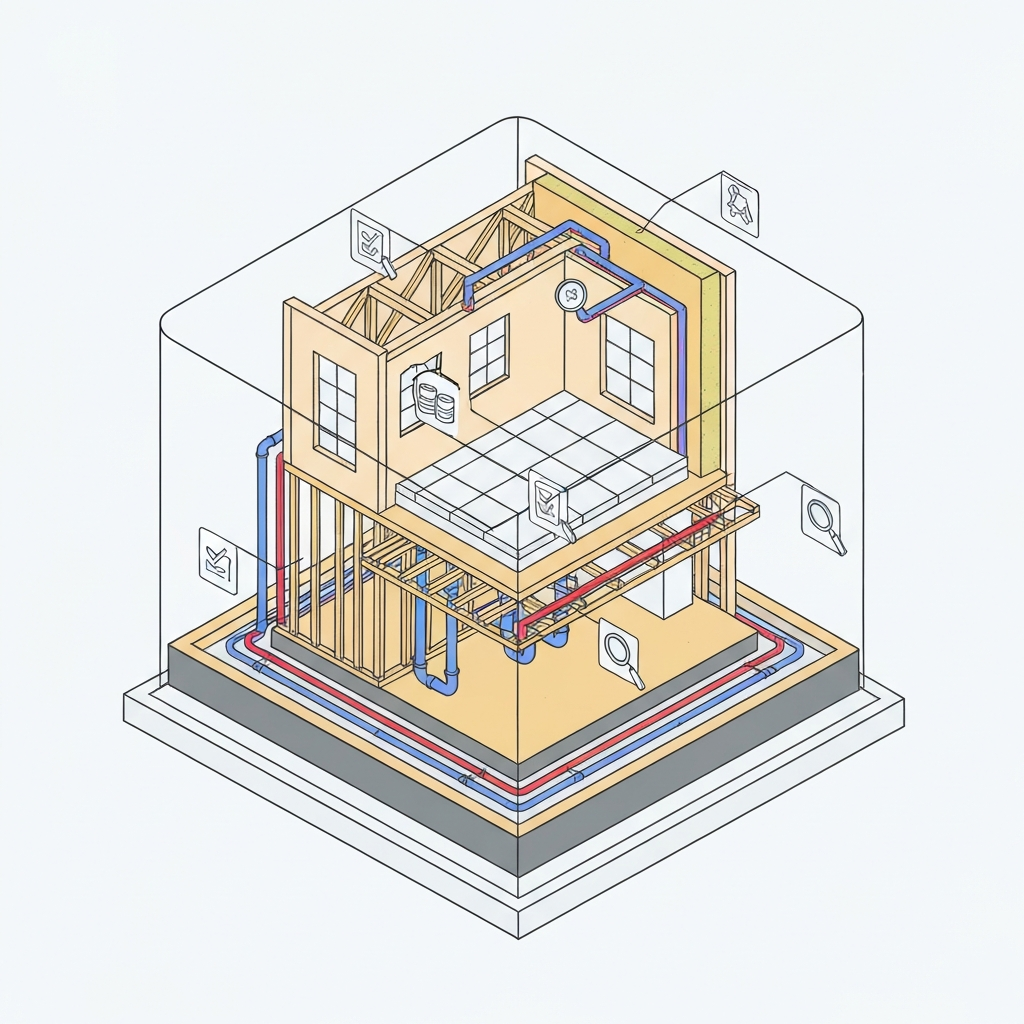
The timing of your new construction inspection is critical to its effectiveness. There isn’t a single “best” time, as different inspection points offer unique advantages. Most experts recommend scheduling inspections at specific stages of the building process.
Pre-Drywall Inspection (Rough-In Inspection)
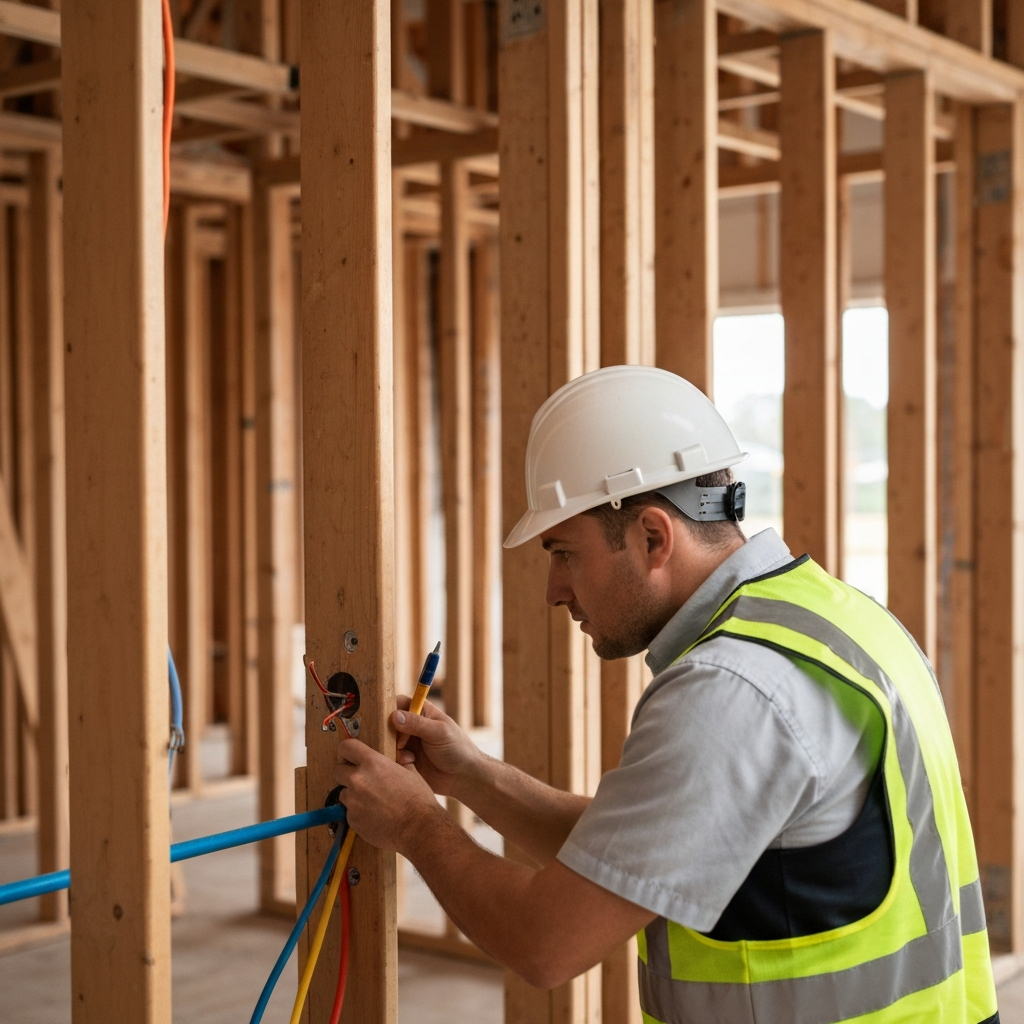
This is arguably the most important inspection stage. It occurs after the home’s systems (electrical, plumbing, HVAC) have been installed but before insulation and drywall are put in place. This allows the inspector to view the “bones” of the house.
What is checked during a pre-drywall inspection?
- Electrical Systems: The placement and installation of wiring, junction boxes, outlets, switches, and the main electrical panel. Inspectors look for proper gauge wiring, correct connections, and adherence to code.
- Plumbing Systems: Water supply lines, drain pipes, vents, and fixture rough-ins. They check for proper slope in drain lines, secure connections, and correct pipe materials.
- HVAC Systems: Ductwork installation, refrigerant lines, furnace and air handler placement, and ventilation. Proper sealing and insulation of ductwork are also assessed.
- Framing: The structural integrity of the walls, floors, and ceilings. This includes checking for plumb and level framing, proper spacing of studs and joists, and correct fastening.
- Waterproofing: In areas like bathrooms and showers, the inspector checks the installation of waterproofing membranes before tiles are applied.
- Foundation: Any visible cracks or defects in the foundation walls or slab that might be covered later.
John Sisto of Tampa Home Inspections strongly advises clients to prioritize this inspection. “If you miss the pre-drywall inspection, you’re missing the chance to see what’s behind the walls,” Sisto explains. “Many potential issues, like improper wiring or plumbing, can be incredibly expensive and disruptive to fix once the drywall is up. This stage gives us the best opportunity to identify and rectify those hidden problems.”
Final Inspection (Pre-Closing Inspection)
This inspection takes place just before you are scheduled to close on the home, typically within a few days to a week. Its purpose is to evaluate the completed construction and ensure that all systems are functioning correctly and that any previously identified issues have been addressed.
What is checked during a final inspection?
- Overall Workmanship: A thorough review of finishes, paint, flooring, cabinetry, countertops, and trim for quality and proper installation.
- System Functionality: Testing of all appliances, HVAC system operation (heating and cooling), plumbing fixtures (water pressure, drainage, leaks), electrical outlets, switches, and lighting.
- Exterior: Inspection of the roof, gutters, siding, windows, doors, grading, and drainage around the foundation.
- Interior: Checking for proper sealing of windows and doors, condition of walls and ceilings, functionality of smoke and carbon monoxide detectors.
- Code Compliance: A final check to ensure everything meets current building codes.
- Punch List Items: Verification that any issues noted during previous inspections or by the buyer during walkthroughs have been corrected by the builder.
The final inspection is crucial for identifying cosmetic flaws and ensuring that all systems are working as they should before you take ownership. It also serves as a final opportunity to request the builder make necessary repairs before the transaction is complete.
One-Year Warranty Inspection
Many new construction homes come with a one-year builder’s warranty that covers certain defects that may appear after you’ve moved in. Scheduling an inspection just before this warranty expires is highly recommended.
What is checked during a one-year warranty inspection?
- Settling Issues: New homes can settle, which may cause minor cracks in drywall, foundations, or around windows and doors.
- Material Defects: Issues with materials that may not have been apparent initially but have surfaced over time.
- System Performance: Checking if any installed systems (HVAC, plumbing, electrical) have developed problems due to use or settling.
- Moisture Intrusion: Identifying any signs of water leaks or moisture problems that might have started after occupancy.
This inspection allows you to document any issues that have arisen during the first year of ownership, enabling you to have the builder address them under the warranty. This can prevent minor problems from becoming major, costly repairs later on.
What a New Construction Inspector Examines
A professional new construction inspector will systematically examine various components of the home. Their report will detail their findings, often accompanied by photographs. While the specifics can vary based on the inspector and the stage of inspection, here’s a breakdown of common areas:
Foundation and Structural Components
The foundation is the base of the entire structure. Inspectors examine it for:
- Cracks: Significant cracks can indicate settling or structural issues.
- Settling or Shifting: Uneven settling can cause major problems throughout the house.
- Moisture Issues: Signs of water intrusion or improper drainage around the foundation.
- Structural Framing: In the pre-drywall stage, they check wall, floor, and ceiling framing for proper installation, support, and adherence to structural plans.
Exterior Components
The exterior protects the home from the elements. Key areas include:
- Roof: Shingle condition, flashing around chimneys and vents, proper installation, and signs of potential leaks.
- Gutters and Downspouts: Proper installation and slope to direct water away from the foundation.
- Siding and Trim: Condition of materials, proper installation, and sealing to prevent water intrusion.
- Windows and Doors: Proper installation, sealing, and functionality. Check for drafts or signs of water damage.
- Grading and Drainage: Ensuring the ground slopes away from the foundation to prevent water accumulation.
Interior Components
Inside the home, inspectors focus on both systems and finishes:
- Plumbing: Checking water pressure, drainage in sinks and tubs, visible pipe connections for leaks, and proper venting.
- Electrical: Testing outlets and switches, inspecting the main electrical panel for proper wiring and safety, checking GFCI (Ground Fault Circuit Interrupter) protection in required areas.
- HVAC: Verifying that the heating and cooling systems operate correctly, checking ductwork for leaks or blockages, and ensuring proper airflow.
- Insulation: Assessing the type and installation of insulation in attics, walls, and crawl spaces, ensuring adequate coverage to prevent energy loss.
- Walls, Ceilings, and Floors: Checking for cracks, damage, or poor finishing. In the pre-drywall phase, this includes the framing behind these surfaces.
- Fireplace and Chimney: Inspecting for proper construction, clearances, and functionality.
Attic and Basement/Crawl Space
These areas are often overlooked but are crucial for the home’s health:
- Attic: Checking insulation levels, ventilation, roof structure, and signs of leaks or pest infestation.
- Basement/Crawl Space: Inspecting foundation walls, looking for moisture, water intrusion, proper ventilation, and structural integrity.
The Benefits of a New Construction Inspection
Investing in a new construction inspection offers numerous advantages that can safeguard your home and your finances.
Identifying Hidden Defects
As mentioned, many construction issues are not visible once walls are covered. A pre-drywall inspection, in particular, can uncover problems with electrical wiring, plumbing, or framing that would be extremely costly and disruptive to fix later. According to the National Association of Home Builders (NAHB), the average cost to repair a significant electrical defect in a new home can run into thousands of dollars 1. Catching these issues early through inspection can prevent such expenses.
Ensuring Code Compliance and Safety
Building codes are designed to ensure the safety and habitability of homes. An inspector’s knowledge of these codes can identify violations that might have been missed by municipal inspectors or that pose a safety risk to occupants. This includes issues like improper ventilation, inadequate fire blocking, or unsafe electrical installations.
Providing Negotiation Power
If an inspection reveals significant defects, you have leverage to ask the builder to correct them before closing. This could involve fixing faulty plumbing, repairing structural framing issues, or addressing cosmetic flaws. While builders may sometimes resist, a professional inspection report provides objective evidence to support your requests.
Saving Money in the Long Run
The initial cost of an inspection is a small fraction of the potential cost of repairing construction defects. Issues like water intrusion due to improper sealing can lead to mold growth and structural damage, costing tens of thousands of dollars to remediate. An inspection can prevent these expensive future repairs. John Sisto of Tampa Home Inspections often tells clients, “An ounce of prevention truly is worth a pound of cure when it comes to new homes. We help you avoid problems that could plague you for years.”
Peace of Mind
Knowing that your new home has been thoroughly examined by an independent professional provides invaluable peace of mind. It allows you to move into your new home with confidence, assured that it has been built to a high standard and is safe for your family.
Working with Your Builder
It’s important to establish a good working relationship with your builder regarding inspections. Most reputable builders welcome professional inspections, especially at the pre-drywall stage, as it allows them to correct issues efficiently.
- Communicate Early: Inform your builder that you intend to hire an independent inspector.
- Coordinate Access: Work with the builder to schedule inspection times that do not unduly disrupt their construction schedule.
- Review the Report: Share the inspection report with your builder and discuss the findings.
- Follow Up: Ensure that all agreed-upon repairs are completed satisfactorily before closing.
The Federal Trade Commission (FTC) advises consumers to get warranties in writing and understand what they cover 2. A new construction inspection complements these warranties by identifying issues before they potentially fall outside warranty coverage.
Key Takeaways
- New construction inspections are vital to ensure quality, safety, and adherence to building codes in newly built homes.
- Timing is crucial: Schedule inspections at key stages, particularly pre-drywall and pre-closing. A one-year warranty inspection is also highly recommended.
- Pre-drywall inspections allow access to the home’s internal systems and framing before they are covered by insulation and drywall.
- Final inspections verify the completed work, system functionality, and address any outstanding issues before closing.
- A one-year warranty inspection helps identify defects that may have surfaced after moving in but before the builder’s warranty expires.
- Inspectors check: Foundation, structural framing, electrical, plumbing, HVAC, insulation, exterior finishes, interior finishes, attic, and basement/crawl spaces.
- Benefits include: Identifying hidden defects, ensuring safety and code compliance, providing negotiation leverage, saving money on future repairs, and offering peace of mind.
- Collaborate with your builder to schedule and address inspection findings effectively.
Conclusion
Purchasing a new construction home is a significant investment, and a new construction inspection is an indispensable part of protecting that investment. By understanding when to schedule inspections and what to expect during the process, homebuyers can ensure their new home is built to last. An independent inspection provides an objective evaluation of the construction quality, identifies potential problems early, and empowers buyers with the knowledge needed to address concerns with their builder. Whether it’s catching an issue behind a wall during a pre-drywall check or ensuring all systems are perfect before closing, these inspections offer a critical layer of protection and peace of mind for any new homeowner.
Frequently Asked Questions
What is the difference between a municipal inspection and a new construction inspection?
Municipal inspections are conducted by local building officials to ensure the construction meets minimum building code requirements. A new construction inspection, performed by a private, independent inspector hired by the buyer, goes beyond code compliance to assess the overall quality of workmanship, materials, and identify potential defects from the buyer’s perspective.
Can I skip the pre-drywall inspection?
While you can technically skip it, it is strongly advised against. The pre-drywall inspection is arguably the most critical stage because it provides visibility into the home’s essential systems (electrical, plumbing, HVAC) and structural framing before they are concealed. Issues found at this stage are far less expensive and disruptive to fix than they would be after the drywall is installed.
What if the builder refuses to make repairs based on the inspection report?
If the builder is unwilling to make necessary repairs, it’s important to document everything. You may need to consult your purchase agreement, as it often outlines dispute resolution processes. In some cases, you might need to involve a real estate attorney or consider delaying closing until satisfactory repairs are made. John Sisto from Tampa Home Inspections recommends having clear communication and documentation throughout the process.
How much does a new construction inspection typically cost?
The cost of a new construction inspection can vary depending on the size of the home, location, and the number of inspection stages you opt for. Generally, you can expect to pay anywhere from $300 to $700 or more for a single inspection. A multi-stage inspection package (pre-drywall, final, and warranty) will cost more but offers comprehensive coverage. The cost is a small investment compared to potential repair bills.
Should I attend the inspection?
Yes, attending the inspection is highly recommended. It allows you to see firsthand what the inspector is evaluating, ask questions in real-time, and gain a deeper understanding of your new home’s condition. While the inspector will provide a detailed report, being present offers a more immersive learning experience.
What if I find problems after closing that weren’t caught during the inspection?
This is where your builder’s warranty comes into play. Most new homes come with a one-year warranty that covers defects arising from faulty workmanship or materials. It is crucial to document any issues that appear and report them to your builder promptly, following the procedures outlined in your warranty agreement. The one-year warranty inspection is specifically designed to help you identify these issues before the warranty expires.
*
References:
[1] National Association of Home Builders (NAHB). (n.d.). Homeowner’s Guide to the New Home Construction Process. Retrieved from nahb.org (Note: Specific URL not provided in prompt, using generic domain)
[2] Federal Trade Commission (FTC). (2023, June 13). Buying a New Home. Retrieved from ftc.gov
“`