Introduction
Buying a home in Tampa can move fast. In a competitive real estate market, buyers often feel pressure to make strong offers quickly. But before you sign a purchase agreement, you need to understand one powerful protection: the home inspection contingency.
A home inspection contingency protects the buyer during the home buying process. It allows you to inspect the home before fully committing to the deal. In Florida, where weather, humidity, and aging systems can impact property condition, this contingency can give you peace of mind. Knowing how inspection contingencies work helps you avoid costly mistakes and keeps your earnest money deposit protected.
What’s a Home Inspection Contingency and Why Does It Matter in Tampa’s Competitive Real Estate Market?
A home inspection contingency is a clause added to a real estate purchase agreement that gives the buyer the right to complete home inspections before finalizing the sale. In simple terms, it allows the buyer to inspect the home and review its condition before closing.
This inspection contingency protects the buyer if the home inspection reveals serious problems. If major defects are discovered during the inspection, the contingency could allow you to request repairs, renegotiate the sales price to compensate, or back out of the contract without losing your earnest money deposit.
In Tampa’s competitive real estate market, some buyers feel tempted to waive this protection. But home inspections aren’t just a formality. They uncover structural issues, roof damage, electrical systems concerns, and safety risks. A home inspection contingency protects your investment and helps you avoid surprises after purchasing a home.
How Do Inspection Contingencies Work in a Real Estate Transaction Step-by-Step?
Understanding how inspection contingencies work can remove confusion and give you confidence during the buying process. Once you see the steps clearly, the inspection contingency becomes easier to manage.
- The contingency is added to the purchase contract.
When you submit your offer, you include an inspection contingency within the purchase agreement. This clause sets clear deadlines and outlines your rights during the inspection period. - You schedule the inspection within 7–10 days.
Most Florida contracts allow an inspection within a specific timeframe, usually measured in calendar days rather than business days. - A licensed home inspector completes the inspection.
The home inspector examines major systems and prepares a detailed inspection report explaining the condition of the property, as outlined in our Tampa real estate and home inspection guide. - You review the inspection report carefully.
If the home inspection reveals defects, you evaluate the severity and decide how to proceed. - You request repairs, renegotiate, or cancel.
The inspection contingency allows you to request repairs, renegotiate the sales price to compensate, or withdraw from the contract under the purchase agreement terms.
This structured process is a core part of a real estate transaction and remains one of the most important contract contingencies available to home buyers.
What Happens During the Home Inspection — and What Can It Reveal?
A professional home inspection is a detailed evaluation of the property’s major systems to identify problems that could affect safety, value, or insurance approval in Tampa.
| Area Inspected | Why It Matters in Tampa | Common Problems Found |
| Roof | Storm exposure | Leaks, aging shingles |
| Electrical systems | Safety compliance | Outdated panels, hazards |
| Plumbing | Humidity and corrosion | Leaks, pipe damage |
| HVAC | Heavy cooling demand | Aging units, weak airflow |
| Structure | Foundation stability | Cracks, settlement |
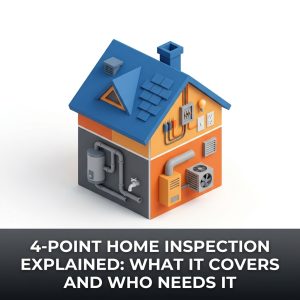
A 4-point inspection may also be required for insurance. What will fail a 4 point inspection in Florida often includes roof age, electrical hazards, plumbing leaks, or HVAC issues.
When issues are discovered during the inspection, the inspection contingency in your purchase gives you options before closing.
Should You Waive a Home Inspection Contingency in a Competitive Tampa Market?
In multiple-offer situations, some buyers consider waiving an inspection contingency to make their offer stronger. Sellers prefer fewer contingencies because it reduces risk and speeds up the home sale.
However, before you waive a home inspection contingency, review what a standard home inspection in Tampa actually covers so you fully understand what protection you are giving up. When you waive the contingency, you lose the right to back out of the deal based on inspection findings. If serious structural or electrical systems problems are later found, you may still be obligated to move forward with the real estate purchase.
If you waive an inspection contingency, other protections become important. You may rely on a strong financing contingency or appraisal contingency. Still, inspection contingency protects the buyer in ways other clauses do not.
Before choosing to waive a home inspection contingency, speak with your real estate agent and ask your lender how risks may impact your ability to secure a mortgage loan.
What Repairs Can You Request — and Can You Renegotiate the Sales Price?
When the inspection report arrives, this is where strategy matters most. The inspection contingency gives the buyer a chance to request repairs or renegotiate before moving forward with the home purchase.
Here’s what is typically considered reasonable in a real estate transaction:
- Major structural defects
Foundation cracks, framing damage, or serious roof problems that impact safety or stability. - Electrical system hazards
Outdated wiring, unsafe panels, or fire risks that may prevent insurance approval. - Plumbing failures
Active leaks, damaged pipes, or drainage issues that could lead to water damage. - HVAC system breakdowns
Units that do not function properly or are at the end of their service life. - Safety concerns
Conditions that affect health, code compliance, or insurance eligibility.
Cosmetic flaws rarely justify strong negotiation. However, when a home inspection reveals major defects, the buyer and seller can renegotiate the sales price to compensate or agree on repairs. The seller can accept, reject, or counter your request.
If no agreement is reached, the inspection contingency protects the buyer and allows you to cancel under the purchase contract terms.
Are Home Inspection Contingencies Required for a Mortgage in Florida?
Many buyers ask if inspection contingencies are required for a mortgage. The answer is no. Lenders require an appraisal contingency to ensure the home appraises at the agreed price, but they do not require an inspection contingency, and understanding the difference between a home inspection and appraisal helps clarify why both matter.
Here is a simple comparison:
| Contingency Type | Required for a Mortgage? | Who It Protects |
| Inspection contingency | No | Buyer |
| Appraisal contingency | Yes (for lender approval) | Buyer & Lender |
| Financing contingency | Yes | Buyer |
Even though not required for a mortgage, include a home inspection contingency for your own protection. Lenders focus on value. Inspections focus on condition.
If the home appraises but has serious defects, the lender may still fund the loan. That is why inspection contingencies to protect yourself remain essential.
How to Use an Inspection Contingency Strategically in Your Tampa Home Search
In Tampa’s competitive real estate market, the smartest buyers know that protection and competitiveness must work together. An inspection contingency is not just paperwork — it is a strategic tool that can protect your investment while keeping your offer strong.
- Include a home inspection contingency in your offer.
This protects the buyer and gives you the right to inspect the home before fully committing. - Set clear and realistic deadlines.
Complete the inspection within the agreed timeframe, often 7–10 days, so you stay compliant with the purchase agreement. - Work closely with your real estate agent.
Make sure the inspection contingency clause is clearly written in the real estate purchase agreement to avoid confusion. - Protect your earnest money deposit.
Meet every notice deadline and follow contract terms carefully to avoid losing your deposit. - Be realistic about your dream home.
No property is perfect, but serious defects discovered during the inspection should never be ignored.
When used correctly, a home inspection contingency keeps you in control during the buying process. Act quickly, communicate clearly, and document everything in writing so your rights stay fully protected.
Key Takeaway
- A home inspection contingency is one of the strongest protections in a real estate purchase.
- It allows you to inspect the home, review the inspection report, request repairs, renegotiate, or walk away from the deal if serious problems are found.
- Although not required for a mortgage, inspection contingencies help protect your financial future.
- In Tampa’s fast-moving market, smart buyers balance strong offers with careful protection.
- An inspection contingency protects the buyer from hidden risks and keeps control in your hands during the home buying process.
Conclusion
Buying a house in Tampa is exciting, but it also carries risk. A home inspection contingency gives you structure, clarity, and leverage within the purchase contract. It ensures that your real estate purchase is based on facts, not assumptions.
In a competitive real estate market, some buyers feel pressure to move quickly. But smart buyers understand that contingencies is essential to protect long-term investment. Before signing your next purchase agreement, make sure you understand how inspection contingencies work and how they protect you from costly surprises.
FAQs
- What is a home inspection contingency?
A home inspection contingency is a clause in the purchase agreement that allows the buyer to complete home inspections during a real estate transaction. If serious issues are found, the contingency could allow cancellation, repair requests, or negotiation with the seller.
- How long is the inspection period in Florida?
Most inspection contingencies give the buyer about 7–10 days to complete the inspection, depending on the contract terms. The licensed inspector must finish within that timeframe set in the purchase agreement.
- What are the biggest red flags in a home inspection?
Major roof damage, electrical hazards, plumbing leaks, foundation cracks, and HVAC failures are common concerns found during home inspections. These issues often lead to repair requests or further negotiation between buyer and seller.
- Should I waive a home inspection contingency?
You should only waive a home inspection contingency in rare situations within a competitive market. When you waive inspection contingencies, you lose protection and increase risk if serious defects appear later.
- Is a home inspection required for a mortgage?
No, lenders require an appraisal for a mortgage, but they do not require home inspection contingencies. Even so, most buyers still include inspection protections for added security.