Introduction
Buying a home in Tampa is exciting. It is also risky if you skip the right checks. A home inspection is one of the most important steps before closing on a home in Tampa. The heat, storms, and humidity in the Tampa Bay area can hide roof damage, water damage, and mold behind clean walls. Many home buyers focus on paint and flooring. Smart buyers focus on structure, HVAC, plumbing, and the electrical system.
This guide shares practical Tampa home inspection tips for buyers. You will learn what a home inspector looks for, what red flags matter most, and how to use the inspection report during negotiation. If you are buying a Florida home, this article will help you protect your home purchase and avoid costly surprises.
Key Takeaway
A home inspection in Tampa is a crucial step before buying a home. It helps uncover potential issues that are not visible during a showing. A licensed home inspector checks the roof, HVAC system, plumbing, electrical system, attic, and structural components. The written report gives you facts, not guesswork.
For Tampa buyers, this is more than a formality. It protects your investment, supports negotiation, and gives peace of mind. Whether you are buying your first home or selling your home later, understanding the true condition of the property helps you make confident decisions.
Why a Home Inspection in Tampa Is a Critical Step Before Buying a Home
Tampa’s climate creates unique risks for any Florida home. High humidity, strong sun, and heavy rain can speed up roof wear and cause hidden leak problems. Storms in the Tampa Bay area can damage shingles, flashing, and structural components. Moisture intrusion often leads to mold and termite activity. A thorough inspection helps uncover signs of water intrusion before they turn into expensive repairs.
For home buyers, the home inspection is one of the most critical steps in home buying, and our real estate and home inspection guide for Tampa explains every stage of the process in detail. It shows you the true condition of the property before you commit. An experienced home inspector in Tampa follows industry standards of practice and provides detailed notes on safety hazards, cosmetic issues, and major defects. This allows you to see beyond staging and fresh paint.
Most important, the inspection report gives you leverage. If serious inspection findings appear, you can request repairs, ask for credits, or adjust the price. That negotiation power can save thousands of dollars and protect your long-term investment.
What Does a Home Inspector in Tampa Actually Inspect?
A certified home inspector performs a general inspection of the home’s key systems and major components to assess overall safety and condition. Below are the main areas typically reviewed during home inspections in Tampa:
Roof and Exterior
The inspector checks for roof damage, missing shingles, soft spots, and signs of a leak. Flashing, gutters, exterior walls, windows, doors, and grading are also reviewed to reduce the risk of water intrusion.
Structural Components
Foundation cracks, uneven floors, wall movement, and framing concerns are examined to confirm the home’s stability and structural integrity.
HVAC System
The HVAC system is tested for proper operation. Age, visible condition, airflow, and basic performance are reviewed.
Plumbing System
Visible pipes are checked for leak signs, corrosion, drainage concerns, and water pressure issues. Water heaters are also inspected for age and safety.
Electrical System
The electrical system is evaluated for safety. Common concerns include aluminum wiring, outdated panels, improper breaker connections, and exposed wires.
Attic and Ventilation
The attic is inspected for insulation levels, ventilation flow, and signs of water damage or moisture buildup.
Pest Infestations
Signs of termite damage or other pest infestations may be noted if visible.
Afterward, you receive a detailed home inspection report outlining the inspector’s findings clearly and in writing.
Biggest Red Flags in a Tampa Home Inspection
Certain problems found during a home inspection in Tampa require serious attention. Ignoring them can lead to costly repairs, safety hazards, or insurance issues. Below is a quick reference table to help you understand common red flags:
| Issue | Why It Matters | Risk Level |
| Roof damage | Can lead to leak and interior damage | High |
| Aluminum wiring | Fire hazard and insurance concern | High |
| Major electrical issues | Safety hazards and costly upgrades | High |
| Plumbing leak | Water damage and mold growth | Medium-High |
| Structural cracks | Foundation movement | High |
| Unpermitted work | Legal and insurance problems | Medium |
Other warning signs include:
- Signs of water intrusion on ceilings
- Soft spots in flooring
- Strong mold odor
- Aging HVAC beyond repair or replacement stage
If any of these red flags appear in your inspection report, review them carefully with your inspector and real estate agent before moving forward with your home purchase.
What Should a Buyer Do During the Home Inspection?
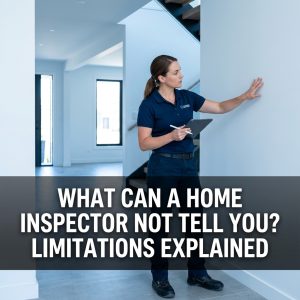
Many Tampa buyers wonder if they should attend the home inspection. The answer is yes. Being present allows you to see issues firsthand and better understand the true condition of the home. Here is a simple action plan to follow:
- Be Present
Walk through the home with the inspector. Seeing issues in person helps you understand severity. - Ask Questions
Clarify what is a major defect and what is minor maintenance. - Take Notes
Even though you will receive a written report, personal notes help during negotiation. - Focus on Big Systems
Pay attention to roof, HVAC, plumbing, and electrical issues. - Separate Cosmetic Issues from Structural Concerns
Cosmetic flaws are common. Safety hazards and intrusion problems matter more. - Plan Your Negotiation Strategy
Use inspection findings to prepare for negotiating repairs or credits.
Taking these steps helps you stay informed, confident, and prepared before finalizing your home purchase.
After the Inspection Report: How to Negotiate Repairs or Protect Your Home Purchase
Once you receive the home inspection report, read it fully. Focus on major safety hazards and system failures first. Cosmetic issues can wait. Serious roof damage, electrical system defects, or plumbing leaks should be addressed before closing.
Next, decide your approach. You may request repairs, ask for a price reduction, or request a seller credit. Negotiating repairs works best when backed by clear inspection findings and repair estimates. In competitive markets like Hillsborough, Pinellas, Pasco, Clearwater, Sarasota, or Manatee County, strategy matters.
Finally, know when to walk away. If the cost of repair or replacement is too high and the seller refuses fair terms, stepping back protects your investment. An inspection is meant to protect Tampa buyers, not pressure them into a bad decision.
Do You Need Additional Inspection Services in Tampa Bay?
A standard home inspection in Tampa may not cover everything. In the Tampa Bay area, additional inspection services are often recommended:
- Mold Inspection – Important in humid Florida homes.
- Wind Mitigation Reports – Can lower insurance costs.
- Termite Inspection – Essential due to Florida’s climate.
- Sewer Scope – Checks underground sewer lines.
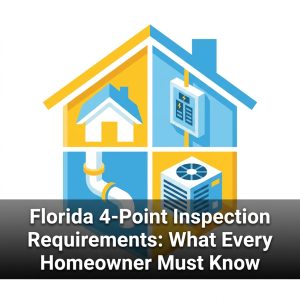
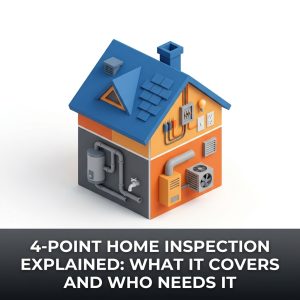
- Four-Point Inspection – Often required by insurers.
In some cases, a home inspector in Tampa may recommend these based on visible conditions. These extra checks help uncover potential issues early and protect your long-term real estate needs.
Conclusion
A Tampa home inspection is not just paperwork. It is one of the most critical steps when buying a home. It reveals the true condition of the property, protects your budget, and supports negotiation. From roof wear to HVAC system performance and electrical issues, every detail matters.
Smart home buyers in the Tampa Bay area attend the inspection, read the inspection report carefully, and act on serious findings. A thorough inspection today can prevent financial stress tomorrow, and if you are selling, learning about pre-listing inspections for Tampa sellers is a smart next step. Always work with licensed inspectors who understand local climate risks and follow proper standards of practice. Ready to protect your purchase? Contact Tampa Inspecting today to schedule your home inspection.
FAQs
What are the biggest red flags in a home inspection?
Major roof damage, structural cracks, aluminum wiring, electrical system defects, termite activity, and signs of water leak or attic moisture are serious red flags a home inspector in Tampa will uncover in the inspection report.
What are 5 important things inspected in a home inspection?
A certified home inspector will inspect the roof, HVAC system, plumbing, electrical system, and structural components, along with the attic and visible signs of leak or damage during home inspection services.
How long do home inspections take in Tampa?
Most home inspections in Tampa Bay take 2 to 3 hours, depending on size and condition, before the inspector prepares the detailed home inspection report.
Should buyers attend the home inspection?
Yes. Attending the home inspection helps buyers ask questions, review findings directly with the inspector, and prepare for negotiation based on the inspection report.
What is the cost for home inspections in Tampa?
Most home inspection services in Tampa range between $300 and $500, though added services like mold inspection or extended inspection services may increase the final cost.