Introduction
When you’re building a new home, drywall feels like the point where it finally comes together. But before those walls go up, there’s a one-time opportunity to inspect everything hidden inside. This is known as a pre-drywall inspection.
County inspectors will check for code compliance, but their review often focuses only on the basics. An independent home inspection digs deeper. It helps you understand whether your builder installed major systems correctly and ensures that no shortcuts are hidden behind the walls.
This article by Tampa Home Inspections explains why a pre-drywall inspection is worth considering, what it covers, the cost, and how it can protect your investment for years to come.
Key Takeaway
A pre-drywall inspection may cost only a few hundred dollars, but it can save thousands in future repairs. The key benefit is peace of mind—knowing that your new home is built to both safety standards and quality expectations.
- Average cost: $300–$650 depending on location and home size
- Timing: After framing, wiring, plumbing, and HVAC are installed but before insulation and drywall
- Biggest value: Identifies hidden issues early and gets them fixed while the builder is still responsible
The takeaway is simple: one extra inspection can prevent expensive surprises later.
Is a Pre-Drywall Inspection Really Necessary if the County Already Inspects?
A pre-drywall inspection takes place before walls are sealed in a new home. At this stage, an inspector reviews the framing, plumbing, wiring, HVAC ducts, and insulation while everything is still visible. It gives homeowners a clear view of work that would otherwise be hidden once drywall goes up.
The inspection is done during the “rough-in” phase, after major systems are installed but before insulation and drywall. This timing allows the inspector to check each system carefully and catch problems early.
Unlike county code checks that focus only on compliance, a pre-drywall inspection looks deeper. It ensures the home is built correctly, safely, and ready for long-term durability before construction moves forward.
You may also read: Everything You Need To Know About A Pre-Drywall Inspection
Why Some Builders Push Back on Pre-Drywall Inspections (And What It Means)
Occasionally, a builder may hesitate when a homeowner requests this inspection. Pushback can be a red flag, but it isn’t always malicious.
Possible reasons:
- Scheduling pressure – builders often work on tight timelines.
- Confidence in their team – they may feel extra inspections aren’t necessary.
- Fear of delays – they don’t want outside inspectors raising concerns.
If your builder strongly resists, it may indicate they don’t want outside eyes on their work. Homeowners should insist—after all, it’s your house, your investment, and your right to request a full inspection.
What Does a Pre-Drywall Walk-Through Cover? A Homeowner’s Checklist
During the inspection, the inspector will walk through each room with you. They’ll point out what’s installed, what looks correct, and what may need adjustment.
Typical checklist includes:
- Framing: Load-bearing walls, roof trusses, and floor joists properly aligned
- Plumbing systems: Pipes secure, no leaks, proper placement of hot and cold lines
- Wiring: Safe routing of electrical wiring, outlets and switches correctly placed
- HVAC ducts: Sealed connections, correct vent placement for heating and cooling
- Insulation: Correct R-value, no missing or poorly installed sections
- Building codes: Compliance check for safety and structural standards
Having photos and notes from this stage gives you a permanent record of what’s behind the walls, useful for both repairs and future renovations.
You may also read: Pre-Drywall Inspection Checklist
Common Problems Found During Pre-Drywall Inspections (With Examples)
Even the best builders make mistakes. A pre-drywall inspection often catches them before it’s too late.
- Structural Issues – Cracked trusses or misaligned framing that could weaken support.
- Plumbing Leaks – Loose joints or improperly sloped drain lines.
- Electrical Errors – Exposed wiring or overloaded circuits.
- HVAC Concerns – Ducts not sealed, reducing efficiency.
- Insulation Gaps – Missing insulation that harms energy efficiency.
Real-world case: one inspector found a damaged roof truss that wasn’t visible after drywall. Because it was documented early, the builder fixed it at no cost to the buyer.
How Much Does a Pre-Drywall Inspection Cost and When Should You Schedule It?
The cost of a pre-drywall inspection depends on the size and complexity of the home. On average, small homes range from $300–$400, medium-sized homes typically cost $400–$550, and large or complex new builds may reach $550–$650 or more. These prices are a small investment compared to the potential cost of fixing hidden problems later.
The best time to schedule a pre-drywall inspection is after the plumbing, wiring, and HVAC systems are installed but before insulation and drywall are added. This timing allows the inspector to clearly view and assess all major systems while they are still exposed.
For homeowners, this inspection cost is minor when weighed against the risk of hidden leaks, faulty wiring, or insulation issues that could lead to expensive repairs. Scheduling at the right stage ensures your new home is built safely, efficiently, and up to quality standards.
You may also read: How Much Does a Pre-Drywall Inspection Cost?
How a Pre-Drywall Inspection Safeguards Structural Integrity and Safety Standards
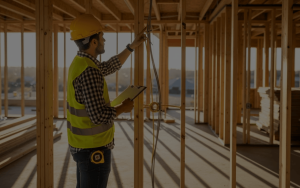
A pre-drywall inspection acts as your safety net during new construction. By checking the framing, structural load points, and key mechanical systems, it helps ensure the long-term safety of your home.
- Protects structural integrity by confirming framing, beams, and supports are installed correctly and can handle the home’s weight.
- Verifies safety standards for electrical wiring and plumbing, reducing the risk of hazards like fire, leaks, or costly repairs.
- Helps maintain energy efficiency by checking insulation and making sure HVAC ducts are sealed for proper heating and cooling.
In short, this one inspection step safeguards your family, protects your investment, and ensures your new home is built to last.
Why Both Homeowners and Builders Gain From Pre-Drywall Inspections
A pre-drywall inspection benefits both homeowners and builders, making it a true win-win in the new construction process.
For homeowners:
- Peace of mind knowing that potential issues are identified early before drywall covers them up.
- Fewer surprises during the final walkthrough and fewer delays before move-in.
- Clear documentation with photos and reports that support warranties and even future home appraisals.
For builders:
- Lower risk of warranty claims since problems are corrected during construction, not after move-in.
- Fewer disputes with buyers, which improves trust and customer satisfaction.
- A smoother closing process, saving time and reducing costly callbacks.
When viewed as a quality control step, a pre-drywall inspection protects both sides and strengthens confidence in the finished home.
Pre-Drywall vs. Final Inspection and Appraisals: What’s the Difference?
Many new homeowners confuse a pre-drywall inspection, a final inspection, and an appraisal, but each serves a different purpose. Understanding these differences helps you avoid costly mistakes.
Pre-Drywall Inspection
This step takes place before insulation and drywall are installed. The inspector reviews framing, plumbing, wiring, and HVAC ducts while they’re still visible. It’s the only chance to confirm proper installation of hidden systems.
Final Inspection
This inspection happens after construction is complete. It focuses on the visible details—flooring, paint, fixtures, doors, and windows. The goal is to ensure the home is ready for move-in and free from unfinished work.
Appraisals
Unlike inspections, an appraisal is ordered by the lender to determine the home’s market value. It does not evaluate construction quality or safety standards.
Skipping a pre-drywall inspection means missing the critical stage where hidden issues can be fixed before walls close. Together, these steps give buyers confidence that their new home is both well-built and fairly valued.
You may also read: 11‑Month Warranty Inspections – Are They Worth It for New Homes?
How to Hire and Work With a Qualified Pre-Drywall Inspector
Hiring the right professional for a pre-drywall inspection is one of the most important steps in protecting your new home. A qualified inspector ensures that no detail is missed before the walls are sealed.
What to look for in a pre-drywall inspector:
- Certification: Choose an InterNACHI or ASHI-certified inspector for proven training and standards.
- Experience: Ask if they specialize in new construction inspections, since these require different expertise than resale homes.
- Documentation: Make sure they provide a detailed inspection report with clear photos of framing, plumbing, wiring, and HVAC systems.
Key questions to ask before hiring:
- How many pre-drywall inspections have you completed?
- Which areas of the home do you examine most closely?
- How quickly will I receive the inspection report, and what details will it include?
By working with a qualified home inspector, homeowners gain confidence that every system is checked, potential issues are documented, and the builder is held accountable for correcting problems before drywall installation.
Conclusion: Pre-Drywall Inspections Are a Critical Step, Not an Extra Luxury
When building a new home, you only get one chance to inspect before drywall is installed. For a relatively small cost, you gain lasting protection against costly mistakes.
A pre-drywall inspection isn’t overkill—it’s a vital step in building a safe, efficient, and long-lasting home. Treat it as part of your new construction checklist, just like closing inspections and appraisals.
You may also read: Do You Need a Sewer Scope Inspection? Avoiding Costly Surprises
FAQs
1. How much does a pre-drywall inspection cost?
A pre-drywall inspection typically costs $300–$650, depending on the size of the new construction home. For any homeowner, this small expense can prevent much more costly repairs later.
2. What does a pre-drywall inspection cover?
The home inspection reviews the frame, plumbing, electrical wiring, HVAC, and insulation. The inspector also checks building codes before the drywall goes up.
3. When should I schedule a pre-drywall inspection?
It’s best to inspect after wiring, plumbing, and HVAC are installed, but before insulation and drywall. This gives the home inspector a clear look at what’s behind the walls.
4. Why do some builders resist outside inspections?
Some builders worry about delays, but pushback during a new construction home inspection can be a red flag. A third-party home inspector protects the homeowner and provides peace of mind.
5. Is a pre-drywall inspection worth it for a brand-new home?
Yes. Even a new home may hide issues like a loose plumb line, a leak, or bad wiring. A pre-drywall inspection catches problems before the drywall covers them.