Buying a house is one of the biggest financial steps you will take. For many first-time homebuyers, the process can feel overwhelming, and one of the most important parts is the home inspection. A thorough inspection helps you understand the real condition of the home you plan to buy, so you avoid costly surprises later.
This guide by Tampa Home Inspections covers everything you need to know about the home inspection checklist, what questions to ask, how long inspections take, optional tests, and the role of the inspection report. By the end, you’ll know exactly what to do during a home inspection as a buyer, whether you attend in person or review the results remotely.
What Is a Home Inspection and Why Is It Critical for Buyers?
A home inspection is a detailed evaluation of a property’s condition performed by a licensed home inspector. The inspector reviews visible and accessible systems, including the roof, plumbing, electrical, HVAC, foundation, and structure. The goal is not to “pass” or “fail” the house but to reveal issues that may affect safety, cost, or livability.
For buyers, this step is essential. Without an inspection, you risk buying a home with hidden problems such as water damage, faulty wiring, or foundation cracks. These repairs can cost thousands of dollars and may even impact your ability to get home insurance. That’s why real estate agents often recommend making your purchase contingent on the inspection results.
Skipping an inspection might make your offer look stronger in a hot market, but it could also leave you unprotected. For first-time buyers especially, an inspection provides peace of mind and valuable education about the property.
What Does a Tampa Home Inspection Checklist for Buyers Include?
A professional inspection in Tampa covers the home’s exterior, interior, and all major systems that affect safety and value.
Exterior Inspection
Inspectors review the roof for leaks or missing shingles, check gutters and drainage, and look at siding, decks, and patios for signs of wear. Driveways and walkways are examined for uneven areas, and grading is assessed to be sure water drains away from the foundation.
Interior Inspection
Inside the home, walls, ceilings, and floors are checked for cracks, stains, or sagging. Windows and doors are tested for sealing and function, while the attic is inspected for insulation, ventilation, and water damage.
Plumbing Systems
Plumbing is evaluated for leaks, water pressure, and pipe condition. Inspectors also review faucets, fixtures, and the water heater’s age and efficiency, along with how well the drainage system works.
Electrical Systems
Outlets, switches, and the breaker panel are tested for safety. Inspectors look for outdated wiring or fire hazards and confirm the system meets basic electrical standards.
HVAC Systems
Cooling and heating equipment is inspected for performance, ductwork is reviewed for leaks, and thermostats are tested. In Tampa’s climate, this part of the checklist is especially important.
Foundation and Structure
Inspectors study the foundation for cracks, settling, or water intrusion. Basements and crawl spaces are checked for moisture and pests, while beams and framing are reviewed for stability.
Optional Add-On Tests
Many Tampa buyers also request radon or mold testing, pest inspections, or HVAC performance checks. These optional services add an extra layer of protection, especially in older homes or humid conditions.
You may also read: 4‑Point vs. Full Home Inspection – Navigating Florida Insurance Requirements
How Long Do Home Inspections Take and What Do They Cover?
The time needed depends on the size, age, and condition of the home. A standard inspection of a single-family home usually takes 2 to 4 hours. Condos may take less, while large or older properties often take longer.
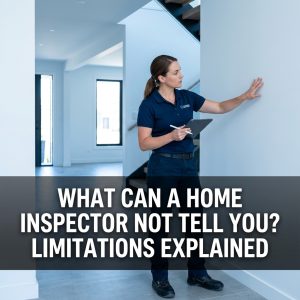
During this time, inspectors move from the roof to the foundation, taking photos and notes. They focus on what is visible and accessible; they won’t cut into walls or dismantle systems. You should expect them to check:
- The roof and attic for leaks, ventilation, and insulation
- Plumbing for leaks, pressure, and water heater condition
- Electrical systems for safety issues
- HVAC units for performance and age
- Structural components for cracks or settling
Understanding how long an inspection takes helps you plan your schedule. If you attend, block out enough time to follow the inspector without feeling rushed.
You may also read: How long does a home inspection take in Florida?
Key Questions to Ask Your Home Inspector During the Inspection
An inspection is not just about waiting for the report. It’s your chance to ask questions and learn about your future home. Here are some buyer inspection questions that help you get clarity:
- What are the most urgent issues you see?
- Which repairs should I prioritize right away?
- Are there safety hazards I should be aware of?
- How old are the roof, HVAC, and water heater?
- Would you buy this home yourself, given these findings?
Don’t be afraid to ask. A good inspector will encourage questions and explain issues in plain language. If you don’t understand a term in the report, ask for clarification. The more you learn during the walkthrough, the better prepared you’ll be when negotiating with the seller.
You may also read: 10 Questions to Ask Your Home Inspector
Should You Attend the Inspection or Rely on Remote Participation?
It’s always best to attend the inspection in person. Being there allows you to see what the inspector sees, ask questions in real time, and better understand the condition of the home. For first-time homebuyers, this is a chance to learn how different systems work and what maintenance they’ll require.
Still, life doesn’t always make it possible to attend. Many inspectors now offer remote options such as video calls, digital photos, and detailed reports. If you can’t be present, schedule a call after the inspection to review the findings together. Whether in person or remote, make sure you’re actively engaged—your participation is key to getting the most out of the process.
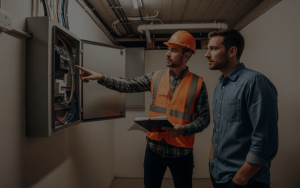
How to Interpret the Home Inspection Report and Next Steps
After the inspection, you’ll receive a detailed home inspection report that often includes photos, notes, and a summary of all findings. The report breaks down issues from major hazards to minor cosmetic flaws.
Here’s how to interpret it:
- Red flags – Foundation cracks, roof leaks, faulty electrical systems, or mold. These affect safety or long-term costs and need urgent attention.
- Moderate issues – Older appliances, worn roofing materials, or HVAC systems nearing the end of life. These should be planned for repair or replacement soon.
- Minor concerns – Cosmetic flaws like chipped paint, loose doorknobs, or outdated finishes. These don’t affect safety and are not deal-breakers.
Next steps usually include reviewing the inspection with your real estate agent. Together, you’ll decide whether to:
- Request repairs from the seller
- Negotiate a price reduction or credit
- Accept the property as is
- Exercise your inspection contingency and walk away
A clear understanding of your inspection report helps you make confident decisions about buying your home.
What Happens If the Inspection Reveals Problems?
No home is perfect. Even new builds may have issues. If your inspection reveals problems, here’s what usually happens:
- Identify deal-breakers – Major foundation issues, severe water damage, or unsafe wiring may lead you to back out.
- Negotiate repairs – Ask the seller to fix urgent issues before closing.
- Request credits – Instead of repairs, you may ask for money off the purchase price to handle the work yourself.
- Plan future fixes – Some minor issues can wait, but use the report to budget for them.
Having a home inspection contingency in your purchase contract protects you. If the seller refuses to address significant problems, you can cancel the deal without losing your deposit.
Home Inspection vs. Home Appraisal: What’s the Difference?
Many buyers confuse a home inspection with a home appraisal, but they play very different roles in the home buying process:
- Home Inspection – A detailed evaluation of the property’s condition. The buyer hires a licensed home inspector to check systems, structure, and safety. The result is a written home inspection report that identifies issues and helps guide negotiations.
- Home Appraisal – An assessment of the property’s market value. The lender requires a licensed appraiser to confirm the home is worth the purchase price. It’s based on comparable sales, location, upgrades, and overall condition.
Both are essential when you buy a home. The inspection protects you from unexpected repair costs, while the appraisal ensures your mortgage reflects the home’s true value.
Tips for First-Time Buyers to Get the Most from an Inspection
As a first-time homebuyer, the inspection process may feel unfamiliar. These tips will help you get the most value and confidence from the experience:
- Prepare a checklist – Write down key questions in advance so you don’t forget to ask the inspector during the walkthrough.
- Attend the inspection – Being present lets you see issues firsthand, ask questions in real time, and learn about the home’s systems.
- Take notes – Keep simple records of concerns and explanations. This makes the final home inspection report easier to understand later.
- Focus on big issues – Pay attention to safety hazards or costly repairs, rather than worrying about minor cosmetic flaws.
- Plan ahead – Use the inspection findings to budget for future maintenance, replacement of aging systems, and long-term upkeep.
Remember, a home inspection is not just about finding problems—it’s your opportunity to learn how to maintain and protect your investment.
You may also read: Pre‑Listing Home Inspection Pros & Cons for Florida Sellers
Conclusion
For buyers—especially first-time homebuyers—a professional home inspection gives peace of mind and clear guidance. It isn’t about passing or failing a house; it’s about knowing what you are buying. From the roof and plumbing to electrical, HVAC, and the foundation, an inspection can uncover problems that may save you thousands later.
Being at the inspection, asking questions, and taking notes helps you get the most value. If serious issues are found, your inspection contingency protects you by letting you renegotiate or even walk away. Along with an appraisal, the inspection is a key step in the home buying process, helping you manage safety, cost, and future plans.
With the right preparation, a home inspection becomes more than a checklist—it becomes your guide to owning a safe and dependable home.
Key Takeaway
A home inspection is one of the smartest steps a buyer can take before closing. It provides a clear picture of the property’s condition, highlights potential red flags, and helps you prepare for future maintenance. By using a Tampa home inspection checklist and asking your inspector the right questions, you gain the knowledge needed to make confident decisions.
Reviewing the inspection report with your real estate agent allows you to spot major issues, negotiate with the seller, or plan for upcoming repairs. Whether it’s uncovering safety concerns or budgeting for routine upkeep, the inspection process protects your investment and ensures you move into homeownership with confidence.
FAQs About Buyer Home Inspections
1. What is the biggest red flag in a home inspection?
Serious foundation damage, widespread water intrusion, or major electrical hazards are the top concerns on any home inspection checklist. These often require costly repairs and may affect safety.
2. Can a home fail an inspection?
No. A home inspection isn’t a pass/fail test. Instead, the home inspector provides a detailed inspection report that outlines the property’s condition.
3. How much does a standard home inspection cost?
In Tampa, the average cost of a home inspection is between $300 and $500, depending on the size and age of the property. Many certified home inspectors are members of the American Society of Home Inspectors, which helps ensure quality standards.
4. Do I need a specialist if my inspector finds something serious?
Yes. If the home inspection report highlights major issues—such as roof damage, mold, or structural concerns—you may need follow-up inspections from licensed specialists before you decide to buy a home.
5. Can you negotiate with the seller after a home inspection?
Absolutely. If significant problems appear in the inspection report, you and your real estate agent can request repairs, ask for a price reduction, or walk away using your inspection contingency. Attending the inspection and asking the right questions to ask will help you prepare for these negotiations.