Key Takeaway
This ultimate guide to home inspections in Tampa, Florida is built to help you navigate every step of the process with confidence. Whether you’re buying or selling, it explains what to expect during an inspection, highlights common local issues like roof damage and moisture problems, and shows you how to choose the right inspector. It also breaks down the costs, timelines, and steps to take after receiving your inspection report. With Tampa’s climate in mind, this guide equips you with the knowledge needed to avoid costly surprises and make smart, informed decisions.
Introduction
In Tampa, Florida, a home inspection is a crucial step in buying, selling, or maintaining your home to ensure its safety, value, and overall condition. Given the region’s unique climate, including high humidity, heavy rains, and the occasional hurricane, it’s important to have a thorough inspection to identify potential problems that may not be visible to the untrained eye. Whether you’re a homebuyer aiming to avoid unexpected expenses, a seller preparing your property for the market, or a homeowner focused on maintaining your investment, understanding the importance of a comprehensive home inspection is essential.
This guide from Tampa Home Inspections is specifically designed to give you an in-depth understanding of the home inspection process, explain what to expect during the inspection, and highlight why inspections are especially important in Tampa’s unique environment. By the end of this guide, you’ll understand how to make the most of your home inspection, ensuring that you make informed decisions with confidence.
What is a Home Inspection?
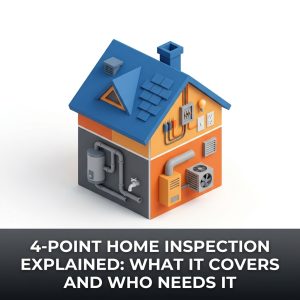
A home inspection is a comprehensive evaluation of a property, typically conducted by a certified professional inspector. The goal is to thoroughly examine the condition of the home’s key components, including its structure, roof, plumbing, electrical systems, HVAC, and foundation. The inspector will identify any potential issues that could require repairs or replacements, such as leaks, cracks, or outdated systems.
The inspection helps ensure that the home is safe, functional, and free from major defects that could lead to expensive repairs in the future. It’s essential to identify these issues early, and a detailed inspection report offers actionable insights into what needs immediate attention.
Key Differences Between Home Inspection and Appraisal
Many buyers and sellers often confuse home inspections with appraisals. Knowing how they differ will help you better navigate your real estate journey and avoid common misunderstandings.
Home Inspection: A home inspection focuses on the current state of the home and aims to uncover any issues that could affect its safety, functionality, or value. Inspectors look for visible signs of damage, potential safety concerns, and areas that may require immediate attention. This process provides valuable insight into the property’s true condition, giving homeowners, buyers and sellers the opportunity to address problems before making a final decision.
Appraisal: Unlike an inspection, an appraisal is primarily concerned with determining the market value of the property. Appraisers assess the overall worth of the home based on factors like its size, location, condition, and comparable sales in the area. While an appraisal may take some of the home’s condition into account, it does not provide a detailed assessment of the property’s systems or structural integrity.
Understanding the difference between these two processes can help you navigate the home-buying or selling journey with more clarity, ensuring that you’re fully aware of both the home’s value and any necessary repairs.
Why Is a Home Inspection Important in Tampa?
In Tampa, Florida, home inspections are an essential step for buyers, sellers, and homeowners alike, largely due to the region’s challenging climate. High humidity, frequent heavy rains, and the risk of hurricanes create conditions that can lead to mold growth, termite damage, and roof deterioration.
For buyers, a comprehensive inspection helps uncover hidden issues that may not be visible during a routine showing, protecting them from costly surprises after closing. Sellers benefit by addressing potential problems early, helping their home sell faster and often at a higher price. For homeowners, regular inspections are key to maintaining their property’s safety, value, and overall condition over time. In a climate like Tampa’s, a thorough home inspection is a smart investment in protecting the long-term integrity of any property.
Local Climate Impact
Tampa’s hot and humid climate accelerates the wear and tear on homes. The combination of high moisture levels and elevated temperatures fosters conditions that can lead to issues such as mold growth, wood rot, and rust.
In addition, heavy rainfall and seasonal storms, including hurricanes, introduce further risks to essential systems like the roof, plumbing, and foundation. These environmental challenges necessitate regular inspections and maintenance to protect the structural integrity and functionality of these essential systems within homes.
Common Home Issues in Tampa
Tampa homes are vulnerable to several challenges, including roof damage from hurricanes, moisture-related issues such as mold growth or water intrusion, and termite infestations. These problems can often go unnoticed until a thorough inspection uncovers them, making home inspections essential for anyone buying or selling property in the area. Depending on the specific circumstances, radon testing and wind mitigation inspections may also be necessary to assess risks and ensure the home’s safety and integrity.
Importance for Buyers and Sellers
For buyers, a home inspection is the first step in protecting against unexpected repair costs. For sellers, it serves as a proactive measure to uncover and address issues before they turn into deal breakers. Ultimately, these inspections play a crucial role in ensuring smoother, more confident real estate transactions for everyone involved.
What to Expect During a Home Inspection
A home inspection is an essential part of the home-buying or selling process, providing you with a clear picture of the property’s condition and helping you make well-informed decisions. Here’s a closer look at what you can expect during a typical home inspection:
Overview of the Home Inspection Process
A professional home inspector will assess the condition of the home’s critical systems and structural components, including the roof, foundation, plumbing, electrical systems, and HVAC. The inspector’s role is to identify any visible issues, potential safety concerns, or maintenance needs and provide a detailed, easy-to-understand report summarizing the overall condition of the property.
Key Components Checked During the Inspection
During a home inspection, the inspector thoroughly checks each of the home’s major systems to identify any underlying problems that could impact safety, functionality, or value. Here’s what typically gets evaluated:
-
Foundation: The inspector looks for cracks, settling, or other signs that could point to structural weaknesses. Early detection of foundation issues is important to avoid costly repairs later.
-
Roof: The roof is checked for leaks, missing shingles, damaged flashing, and signs of wear or storm damage, especially important in Tampa’s storm-prone environment.
-
Plumbing: Pipes are inspected for leaks, corrosion, water pressure issues, and blockages to ensure the plumbing system is working efficiently and safely.
-
Electrical Systems: The inspector checks wiring, circuit panels, outlets, and switches to confirm they are properly installed, up to code, and safe for daily use.
-
HVAC Systems: Heating and cooling systems are evaluated to make sure they are operating correctly, are energy-efficient, and are free from potential hazards.
-
Insulation and Energy Efficiency: Insulation levels and ventilation are reviewed to ensure the home retains energy effectively, improving comfort and reducing utility bills.
Additional checks may include inspections for pests, termites, and mold, which are particularly critical given Tampa’s humid climate where these problems are common and can escalate quickly if left unaddressed.
Typical Duration of an Inspection
Most home inspections in Tampa take between 2 to 3 hours, depending on the size, age, and complexity of the property. Larger homes, older properties, or homes with special features such as pools, additional buildings, or complex systems may require extra time to ensure every detail is carefully evaluated. It’s a good idea for buyers or sellers to allow a flexible window in their schedules to accommodate a thorough and complete inspection.
Common Issues Found During Home Inspections in Tampa, Florida
Tampa’s unique weather conditions and environment create certain common issues that are frequently discovered during home inspections. Being aware of these problems can help buyers, sellers, and homeowners address them early and avoid costly surprises. These include:
Roof Damage from Hurricanes or Heavy Rain
Tampa’s storm season can lead to roof damage, including leaks, missing shingles, and wear from high winds. The intense storms during hurricane season can take a toll on roofs, making roof inspections particularly important to assess potential damage and ensure the roofs are in good condition.
Moisture-Related Issues
Homes in Tampa often suffer from water intrusion caused by heavy rains and high humidity, leading to mold growth, mildew, and wood rot. Moisture problems are especially common in areas like basements, attics, crawl spaces, and bathrooms. Detailed assessments during a home inspection help uncover these moisture-related issues early and provide actionable recommendations for proper repairs and moisture management.
Termite Damage and Wood Rot
Termites are a persistent problem in Florida’s warm, humid climate, and their damage can go unnoticed until a professional inspection is performed. They often compromise wooden structural components, leading to expensive repairs and potential safety concerns. A thorough Wood Destroying Organisms (WDO) Inspection is essential to uncover hidden infestations and protect the home’s structural integrity.
Plumbing and Electrical Issues
Older homes or properties with deferred maintenance often have outdated or faulty plumbing and electrical systems. These issues can lead to leaks, water damage, electrical malfunctions, or even fire hazards if left unaddressed. A comprehensive home inspection will evaluate the condition, safety, and functionality of these critical systems, helping you plan necessary upgrades or repairs.
Aging Materials or Structural Concerns
Tampa’s year-round humidity accelerates the deterioration of many common building materials, including roofing, siding, insulation, and foundation components. Over time, moisture exposure can weaken structural supports and compromise a home’s overall stability. Inspectors carefully examine these areas for signs of wear, damage, or decay, helping homeowners prioritize maintenance tasks and prevent more serious structural problems down the line.
You may also read: Common Home Inspection Issues in Tampa Homes
How to Choose a Reliable Home Inspector in Tampa
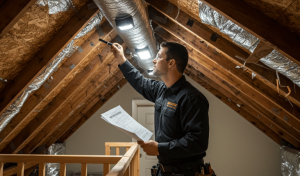
Choosing the right home inspection company is a critical step to ensure you receive a thorough, detailed, and trustworthy evaluation of your property. A skilled inspector can make all the difference in uncovering hidden problems and protecting your investment. Here’s what to look for when choosing a home inspector in Tampa:
Factors to Consider When Selecting a Home Inspector
When hiring a home inspector, it’s important to evaluate their experience, local knowledge, and overall reputation to ensure you’re making a smart choice. Some of the key factors to keep in mind include:
-
Experience with Tampa’s Climate and Home Types: Choose an inspector who understands the common issues that affect Tampa homes, including roof damage from hurricanes, mold growth due to humidity, and termite infestations. Familiarity with these local challenges ensures a more accurate inspection.
-
Reputation: Always look for inspectors with strong online reviews, positive client testimonials, and a proven track record of reliable service. Personal recommendations from real estate agents, friends, or family members can also be valuable.
-
Attention to Detail: A good inspector will take the time to carefully assess every critical component of the home, not just rush through the process.
Verifying Credentials and Certifications
Before hiring, it’s essential to verify that the inspector is properly qualified and protected. Here’s what you should check:
-
Certifications: Look for memberships with trusted organizations like ASHI (American Society of Home Inspectors) or InterNACHI (International Association of Certified Home Inspectors). These certifications indicate the inspector meets professional standards and is committed to continuing education.
-
Insurance: Ensure the inspector carries liability and errors and omissions (E&O) insurance. This coverage protects both you and the inspector in case any mistakes are made during the evaluation process.
Key Questions to Ask Potential Inspectors
Asking the right questions can help you gauge the inspector’s experience, professionalism, and approach. Be sure to ask:
-
How long have you been in business?
Experience often translates into a sharper eye for potential problems. -
Do you specialize in residential inspections?
Residential and commercial inspections require different skill sets; make sure they have the right expertise. -
Can you provide references from past clients?
Speaking to previous clients can give you valuable insights into the inspector’s thoroughness and professionalism. -
What is included in the inspection report?
A detailed report should cover all major systems and include photos, notes, and recommendations. -
Do you offer additional services, such as pest or mold inspections?
In Tampa’s humid climate, additional inspections for termites, pests, and mold are often necessary and highly recommended.
Choosing a reputable and experienced home inspector ensures a thorough assessment that reveals hidden issues, helping you make confident, well-informed decisions about your property.
You may also read: 10 Questions to Ask Your Home Inspector
How Much Does a Home Inspection Cost in Tampa, FL?
The average cost of a home inspection in Tampa can vary depending on several factors, including the size of the home, the type of inspection required, and the inspector’s experience. On average, standard home inspections in Tampa cost between $300 and $500 for a standard single-family home. However, if additional services like termite, mold, or radon testing are needed, the total cost may rise by another $100 to $300, depending on the scope.
Factors Influencing Inspection Costs
Several key factors directly influence the cost of a home inspection in Tampa. Here’s what you should consider when estimating the total expense:
- Home Size: arger homes or properties with multiple levels and more square footage generally take longer to inspect, which can increase the overall cost.
- Additional Services: Specialized inspections—such as radon testing, wind mitigation inspections, termite or mold inspections—come at an added cost, but may be necessary in Tampa’s climate.
- Location: Proximity to areas like Tampa Bay or more remote neighborhoods may influence pricing slightly due to travel or access-related considerations.
Although a home inspection might seem like an extra expense during the buying, selling or maintenance process, it’s a worthwhile investment that can help you avoid costly repairs and give you peace of mind about the condition of the property. For a more detailed look at home inspection costs in Tampa, read our detailed pricing guide here.
What Happens After the Home Inspection?
After the home inspection is complete, you’ll receive a detailed report outlining the inspector’s findings. This report will cover everything from minor surface-level concerns to serious structural or safety issues, such as damage to essential components like the roof, plumbing, or electrical system. It will also provide actionable insights and may include recommendations for repairs or additional evaluations, such as radon testing or wind mitigation inspections.
- Understanding the Inspection Report: The inspection report will list any problems found in the home, from issues with the foundation to more urgent safety concerns like faulty wiring or mold. It’s crucial to review the report thoroughly to understand the extent of the problems and to prepare for the next steps.
- Negotiating Repairs or Credits with the Seller: If the inspection reveals major issues, you can negotiate with the seller to have repairs completed before closing. Alternatively, you can request a credit to help cover the repair costs, reducing your out-of-pocket expenses once you move in.
- Next Steps Based on Inspection Findings: After reviewing the inspection report, if significant problems are found, you have a few options. You can negotiate a lower price, ask the seller to complete the repairs, or in some cases, decide to walk away from the deal. It’s important to consider the cost of repairs in relation to the home’s overall value before making your final decision.
How to Prepare for a Home Inspection?
Proper preparation before a home inspection can make a big difference in how smoothly the process goes and how the property is perceived. Whether you’re a seller or a current homeowner, taking the time to prepare your home can help prevent delays and make the inspection more efficient.
Tips for Homeowners
A few small steps can go a long way toward creating a positive impression and helping the inspector do their job efficiently. Here’s what you can do:
- Clean and Clear Access Points: Ensure that areas like the attic, basement, and crawl spaces are easily accessible. The inspector will need to examine these spaces, so clearing them of clutter will save time.
- Check for Common Issues: Address minor issues that may be visible to the inspector, such as leaky faucets, burned-out lightbulbs, or small cracks in walls.
Common Mistakes to Avoid
Overlooking simple things can complicate the inspection and lead to unnecessary concerns in the report. Avoid these common errors to stay ahead of any issues:
- Not Providing Access to Key Areas: Make sure all areas of the home, including electrical panels, water heaters, and HVAC units, are easy to access and not blocked by storage or furniture.
- Ignoring Pre-Inspection Repairs: Taking care of obvious repairs in advance shows that the home is well-maintained and can reduce the number of issues flagged by the inspector.
How to Ensure the Inspection Goes Smoothly
A little attention to detail and preparation on the day of the inspection can help everything move along efficiently and without stress.
- Be Present for the Inspection: While it’s not required, being present allows you to ask questions in real time and gain a better understanding of any issues found.
- Keep Your Home in Good Condition: A clean, well-maintained home reflects positively and may help reduce the number of items noted in the report.
By preparing ahead of time, you not only help the inspector complete their work more efficiently but also show that the home has been well cared for. A little effort now can lead to a smoother transaction and greater confidence for everyone involved.
Conclusion
Home inspections play a critical role in buying, selling, and maintaining a home—especially in a climate like Tampa’s, where moisture, storms, and humidity can lead to costly hidden issues. Whether you’re a buyer wanting peace of mind, a seller preparing to list, or a homeowner focused on long-term upkeep, a professional inspection is a smart step toward protecting your property’s value and safety. By addressing minor concerns early, you can avoid expensive repairs and keep your home in its best condition. This guide serves as your ultimate resource for understanding every aspect of home inspections in Tampa—helping you make informed decisions with confidence.
At Tampa Home Inspections, we provide professional, in-depth home inspection services, including pre-drywall inspections, 11th months warranty inspections and sewer scope inspections, tailored to the unique needs of Tampa homeowners. Whether you’re buying, selling, or maintaining your property, our certified inspectors deliver detailed reports that uncover potential issues and support confident decision-making. Ready to protect your investment? Visit our website or call us today at 813-492-6877 to schedule your inspection. We’re here to make the process clear, reliable, and stress-free.
Frequently Asked Questions About Tampa Home Inspections
How long does a home inspection take in Tampa?
Most home inspections in Tampa take between 2 to 3 hours, depending on the size, age, and complexity of the home. Larger properties or homes with unique features may take longer to inspect thoroughly.
Who attends a home inspection in Florida?
Can a home inspection be waived in Florida?
Yes, a home inspection can be waived in Florida, as it’s not legally required by state law. However, choosing to skip it could leave you unaware of hidden issues, leading to unexpected and expensive repairs down the line.
What happens if the inspection report uncovers major issues?
If significant problems are found, you can negotiate with the seller for repairs, request a price reduction, or—if the issues are serious enough—choose to walk away from the deal entirely. The inspection report gives you the leverage to make informed decisions.
Are home inspections required by mortgage lenders in Tampa?
While standard home inspections are generally not mandatory for most mortgage lenders, some loan types (like FHA or VA loans) may require specific inspections to verify that the property meets minimum safety and structural standards. Even when not required, most lenders strongly recommend getting one.